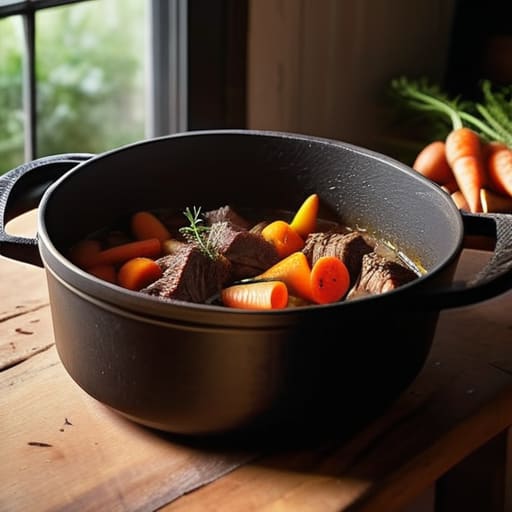
I spent twenty years in commercial kitchens, and if there is one thing I learned, it’s that most people are drowning in a sea of expensive, single-use kitchen gadgets that end up gathering dust in a junk drawer. You don’t need a specialized pressure cooker, a dedicated bread machine, or a fancy slow cooker to make a decent meal. You just need one heavy, reliable piece of equipment that actually does its job. When people ask me about dutch oven uses, they’re usually looking for a way to justify that big purchase, but I want to show you how to make it the only heavy hitter in your cabinet.
I’m not here to give you a list of thirty “life hacks” that involve more cleaning than actual cooking. Instead, I’m going to give you the practical, real-world applications that I relied on during my catering days and that I use in my own kitchen every single week. We are going to focus on the heavy lifting—braising, baking, and simmering—so you can stop wasting money on trendy plastic junk and start mastering the tools that actually last a lifetime.
Table of Contents
Mastering Slow Cooking Techniques for Deeply Flavored Meals
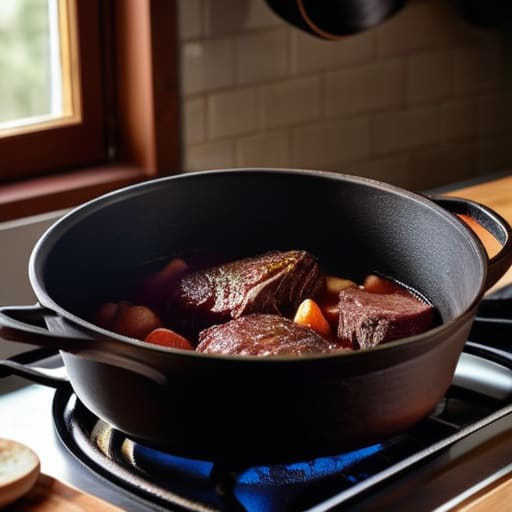
When I was managing commercial kitchens, we didn’t rely on fancy electric slow cookers; we relied on thermal mass. That’s the real secret to mastering slow cooking techniques at home. Because of the incredible heat retention in heavy pots, a Dutch oven acts like a battery, steadily releasing warmth long after you’ve turned the burner down. This prevents the temperature swings that turn tough cuts of meat into rubber. Instead, you get that gradual breakdown of connective tissue that makes a braise truly melt-in-your-mouth.
If you want to simplify your life, start leaning into one pot meals that utilize this steady heat. I always tell my clients: don’t overcomplicate it. Throw in your aromatics, your protein, and your liquid, then let the vessel do the heavy lifting. Whether you are simmering a complex beef bourguignon or a simple root vegetable ragout, the goal is consistency. When you stop chasing high-heat shortcuts and start respecting the slow crawl of a heavy lid, you’ll find your flavors have a depth that a standard saucepan simply can’t replicate.
The Magic of One Pot Meals for a Simpler Life
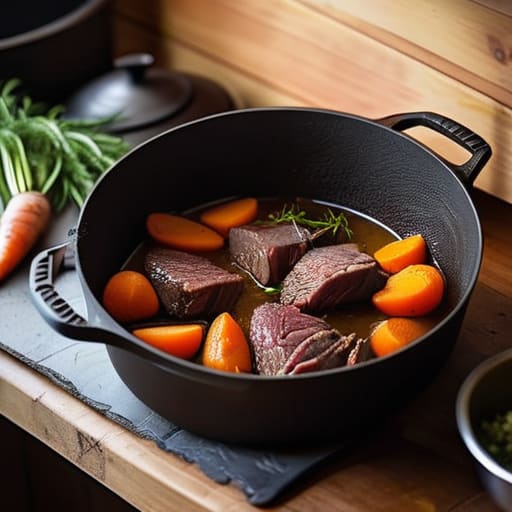
One of the biggest mistakes I see people make is thinking they need a dozen different pans to make a decent dinner. After years of managing commercial kitchens, I learned that complexity is often just a mask for inefficiency. If you want to reclaim your evenings, you need to embrace one pot meals. There is something incredibly satisfying about tossing proteins, aromatics, and vegetables into a single vessel and letting the heavy walls do the heavy lifting. Because of the superior heat retention in heavy pots, you aren’t constantly fighting hot spots or worrying about food sticking to the bottom.
When you rely on a single, high-quality piece of equipment, you aren’t just saving time on cleanup; you’re actually improving the food. Whether I’m working through hearty stew and soup recipes on a rainy Tuesday or braising a roast for Sunday dinner, the steady, even temperature ensures everything stays tender. You don’t need a drawer full of specialized gadgets to create a restaurant-quality meal. You just need one reliable tool that works as hard as you do.
5 Ways to Actually Get Your Money's Worth Out of That Heavy Pot
- Stop treating it like a slow cooker only; use that heavy lid to trap steam when you’re braising short ribs or chicken thighs to keep the meat from drying out.
- Don’t be afraid of the stovetop—use it to sear meat at high heat before you even think about adding liquid, because that crust is where all your flavor lives.
- Use it for your bread dough; a Dutch oven creates a self-basting environment in the oven that mimics a professional steam oven, giving you that perfect, crackly crust.
- Make it your go-to for big-batch soups and stews that you can freeze; the thick walls maintain a steady temperature so your base doesn’t break or scorch easily.
- Use it as a deep fryer for occasional treats like homemade donuts or fried chicken; the heavy cast iron holds heat much more consistently than a thin, cheap pot.
The Bottom Line on Your Dutch Oven
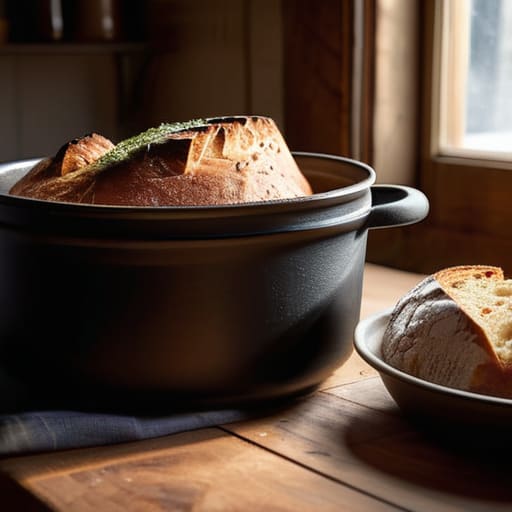
Stop hunting for specialized gadgets; if you have a heavy-duty Dutch oven, you already own the most versatile tool in your kitchen for braising, stewing, and even baking bread.
Focus on quality over quantity by investing in one piece of seasoned cast iron that can handle high heat and long, slow simmers without warping or breaking.
Use your Dutch oven to simplify your workflow, not complicate it, by leaning into one-pot meals that reduce both your prep time and your cleanup.
## The Only Tool That Matters
Most people clutter their cabinets with single-use gadgets that end up in a landfill by next year, but a heavy Dutch oven is different; it’s the one piece of equipment that actually earns its place on your stove by doing everything from braising a tough roast to baking a crusty loaf of bread.
Rosalind Hayter
The Bottom Line on Your Dutch Oven
At the end of the day, we’ve covered a lot of ground, from the slow-simmered depths of a rich stew to the sheer convenience of a one-pot midweek meal. Whether you are using it to braise a tough cut of meat until it falls apart or simply using it to bake a crusty loaf of bread, the goal remains the same: efficiency. You don’t need a cabinet full of specialized electric cookers or single-use gadgets that take up more space than they provide value. A heavy, reliable Dutch oven handles the heavy lifting so you don’t have to. If you invest in quality over quantity, you’ll find that this single piece of equipment does more for your kitchen than a dozen plastic contraptions ever could.
I want you to stop looking at your kitchen as a collection of things and start seeing it as a workspace designed for intentional living. When you strip away the clutter and focus on tools that actually perform, cooking stops feeling like a chore and starts feeling like a skill. Don’t worry about having the most expensive setup or the trendiest aesthetic. Just grab your Dutch oven, focus on your technique, and enjoy the process of making something real. Build a kitchen that serves you, and I promise you’ll spend less time cleaning up junk and more time actually enjoying your food.
Frequently Asked Questions
Can I actually use my enameled Dutch oven for high-heat searing, or will I ruin the coating?
Short answer: Yes, but you have to be smart about it. You can sear meat in an enameled Dutch oven, but don’t crank it to “max” and walk away. High, dry heat is what causes that enamel to crack or chip. Keep it at medium-high, use enough fat to protect the surface, and avoid thermal shock—never take a screaming hot pot and throw it directly into cold water. Treat it with respect, and it’ll last decades.
Is it worth investing in a heavy cast iron model if I only plan on making soups and stews?
Look, I’ll give it to you straight: yes. If you’re only making soups and stews, you might think a thin stainless pot will do the trick, but you’re missing the point. A heavy cast iron model provides the steady, even heat that prevents those dreaded hot spots. It keeps a simmer consistent without scorching your ingredients. You aren’t just buying a pot; you’re buying heat retention that actually builds flavor. Buy it once, and you’ll never need another.
How do I clean a Dutch oven after making something really sticky without scrubbing the life out of it?
Don’t reach for the steel wool just yet; you’ll ruin that seasoning. If you’ve got burnt-on residue, fill the pot with an inch of water and a handful of coarse kosher salt. Let it sit for a bit, then use a wooden spatula to gently scrape the bits loose. If it’s still stubborn, simmer a little water and a drop of mild soap in it. Heat does the heavy lifting so your arms don’t have to.
