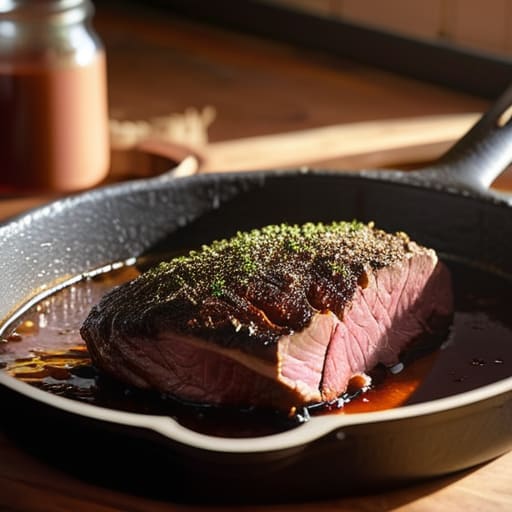
I still remember the chaos of my first commercial kitchen, where the air was thick with the smell of rendered fat and the constant, rhythmic sizzle of meat hitting hot metal. I watched seasoned chefs reach for a heavy, reliable basting pan without a second thought, while the amateur cooks were fumbling with thin, non-stick pans that would smoke and peel the moment things got serious. It wasn’t about how fancy the equipment looked; it was about whether that pan could actually hold its heat and survive a heavy sear.
I’m not here to sell you on some high-tech, gadget-filled piece of cookware that promises the world but breaks by next Christmas. My goal is to cut through the marketing noise and help you identify a basting pan that is built to last for decades, not just a single season. I’ll show you exactly what to look for in terms of weight, material, and handle stability so you can stop throwing money away on trendy plastic junk. We’re going to focus on the tools that actually do the work, ensuring your kitchen remains a functional space rather than a cluttered showroom.
Table of Contents
Choosing a Stainless Steel Roasting Pan Built to Last
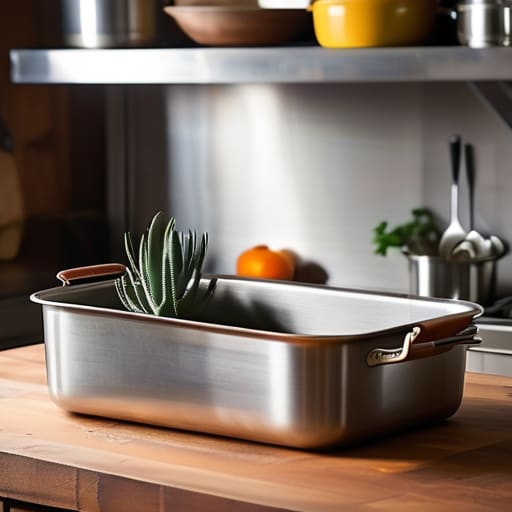
When you’re looking for a stainless steel roasting pan, ignore the shiny, lightweight sets that look great on a showroom floor but buckle under high heat. You want something with a heavy-duty tri-ply construction. A thick base isn’t just a luxury; it’s what ensures even heat distribution so you don’t end up with hot spots that scorch your roast. I always tell my clients to look for a pan that feels substantial in the hand—if it feels flimsy in the store, it’ll definitely warp in your oven.
Beyond the weight, pay attention to the rim design. A deep, sturdy edge is essential for collecting pan juices without making a mess of your stovetop. I’ve seen too many people struggle with shallow pans that overflow, making the whole process of making gravy from drippings a nightmare. If the pan is built right, those juices stay contained, allowing you to master your meat basting techniques without the cleanup turning into a full-day ordeal. Stick to high-quality metal that can handle the heat and the weight.
The Necessity of Truly Oven Safe Cookware
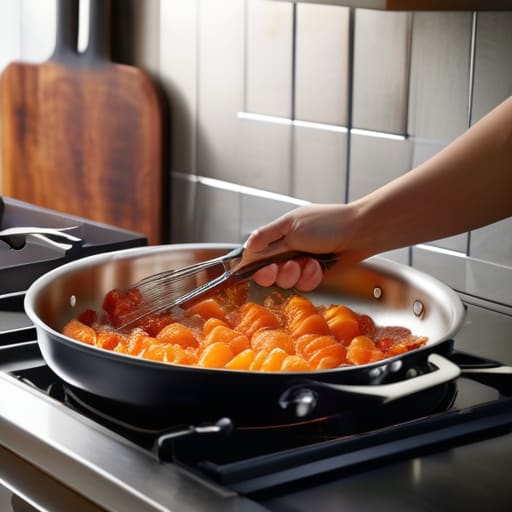
I’ve seen far too many home cooks reach for a pan only to realize halfway through a recipe that the handles aren’t rated for high heat. It’s a dangerous, frustrating mistake that can ruin a meal and a perfectly good piece of equipment. When you’re investing in quality, you aren’t just buying a vessel; you are buying peace of mind. You need oven safe cookware that can transition seamlessly from the stovetop to a 450-degree oven without warping, cracking, or leaching chemicals into your food. If a pan can’t handle the heat, it has no business being in a serious kitchen.
Beyond safety, there is the matter of flavor. A pan that is truly built for the oven allows you to master essential meat basting techniques that elevate a simple roast into something professional. When your pan can withstand consistent, high temperatures, you can properly render fat and develop that deep, golden-brown crust that makes a meal memorable. Plus, a sturdy pan ensures you aren’t losing precious liquid to evaporation or uneven heat distribution, which is the first step toward making gravy from drippings that actually tastes like something.
Five Rules for Picking a Pan That Won't Fail You
- Look for heavy-gauge construction. If the pan feels light or flimsy in your hand, put it back on the shelf. You need weight to ensure even heat distribution and to prevent the metal from warping the first time it hits a high temperature.
- Prioritize a tight-fitting lid. A good basting pan isn’t just about the base; the lid is what traps the moisture and creates that essential steam environment. If the lid is loose or wobbly, you’re just losing precious juices to the oven air.
- Check the handle stability. I’ve seen too many people nearly burn themselves because a handle was poorly attached or too thin to grip with an oven mitt. Look for handles that are securely riveted, not just screwed on, so they can handle the weight of a heavy roast.
- Stick to stainless steel or cast iron. I don’t care how pretty a non-stick coating looks in the store; it’s going to flake off eventually. If you want a pan that survives decades of scrubbing and high heat, go with materials that can actually take a beating.
- Mind the depth. Don’t get seduced by a shallow pan just because it looks sleek. You need enough depth to hold your juices and perhaps some aromatics like garlic or rosemary without them spilling over the sides when the liquid starts to bubble.
My Golden Rules for Buying a Basting Pan
Skip the non-stick coatings if you want longevity; stick to heavy-duty stainless steel or cast iron that can actually handle high heat without peeling.
Check the handles and rivets twice—if they look flimsy or thin, they won’t hold up when you’re pulling a heavy, juice-filled roast out of a hot oven.
Don’t get distracted by fancy bells and whistles; focus on weight and heat distribution, because a pan that warps is just expensive scrap metal.
## Stop Buying Disposable Cookware
“I’ve seen too many people spend a fortune on a dozen trendy, non-stick gadgets that end up in a landfill within two years; if you’re going to buy a basting pan, buy one heavy enough to hold its shape and high-quality enough to be passed down to your kids.”
Rosalind Hayter
Stop Buying, Start Investing
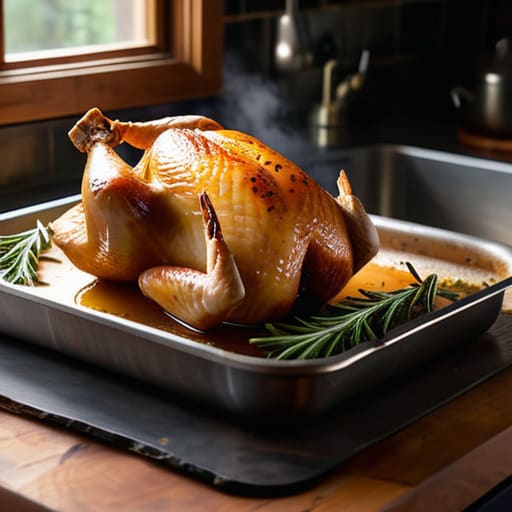
At the end of the day, choosing a basting pan shouldn’t be an exercise in scrolling through endless pages of colorful, non-stick options that will eventually peel and fail you. We’ve covered why you need heavy-duty stainless steel, the absolute necessity of verifying oven-safe ratings, and why skipping the cheap, thin-walled pans is the best way to save money in the long run. If you prioritize material quality and weight, you aren’t just buying a piece of cookware; you are investing in a tool that will perform the same way ten years from now as it does today. Don’t let the marketing fool you—durability is the only metric that actually matters when you’re standing over a hot stove.
I’ve seen enough commercial kitchens go through mountains of discarded plastic and flimsy aluminum to know that a well-run kitchen relies on reliability. A good basting pan is a workhorse, meant to handle high heat and heavy juices without breaking a sweat. Once you get the right gear, stop worrying about the latest gadget and focus on your technique. Master your heat control, learn how to deglaze properly, and treat your tools with respect. When you build a kitchen based on solid foundations rather than passing trends, you create a space where cooking becomes a joy rather than a chore.
Frequently Asked Questions
Is it actually worth the extra money to go with heavy-gauge stainless steel over a cheaper aluminum version?
Look, if you’re looking for a quick fix, buy the aluminum. But if you want a tool that actually performs, the extra investment in heavy-gauge stainless steel is non-negotiable. Aluminum heats up fast, sure, but it’s prone to hot spots and can warp if you aren’t careful. Heavy-gauge steel offers the heat retention and durability you need for real roasting. It’s the difference between a pan you toss in two years and one you pass down.
Can I use my basting pan on the stovetop to sear meat before putting it in the oven, or will I ruin it?
You absolutely can, and frankly, you should. Searing your meat in the same pan before it hits the oven is how you build real flavor; that’s where the fond comes from. Just make sure you aren’t using a pan with plastic or wooden handles that can’t take the heat. If it’s a solid piece of stainless steel or cast iron, go for it. It won’t ruin the pan—it just makes the meal better.
How do I know if a pan is truly "oven safe" up to high temperatures, especially if it has a plastic or wooden handle?
Don’t trust the fancy packaging; do your own homework. If a pan has a wooden or plastic handle, it’s a red flag for high-heat roasting. Even if the label says “oven safe,” those materials can scorch, crack, or leach chemicals when things get real. My rule? If you want to go high, stick to all-metal construction. If you must use a hybrid, check the manufacturer’s specific temperature limit in your notebook—and never guess.
