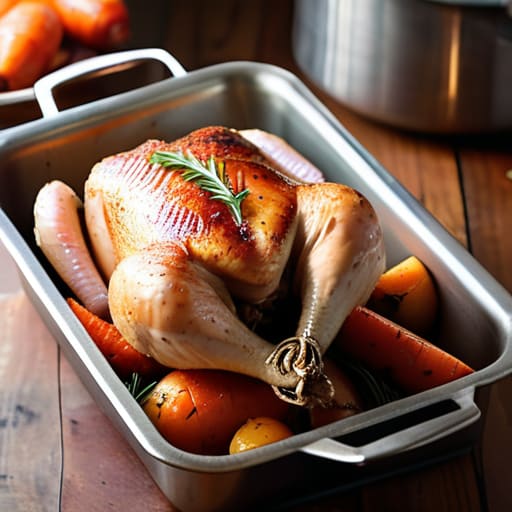
I still remember a frantic Sunday afternoon in my catering days, staring at a flimsy, thin-walled roasting pan that had just buckled under the weight of a twenty-pound turkey. The juices were everywhere, the heat distribution was a disaster, and I was left scrambling to fix a meal that was supposed to be the centerpiece of a wedding banquet. It was a mess, but it taught me a lesson I’ve never forgotten: a cheap roasting pan isn’t just a waste of money; it’s a liability when you actually need it to perform.
I’m not here to sell you on some fancy, non-stick gadget with a dozen unnecessary bells and whistles that will end up in a landfill by next Christmas. Instead, I’m going to give you the straight truth about what actually matters—weight, material, and durability. I’ll help you cut through the marketing noise so you can invest in a piece of equipment that is built to last and will actually make your holiday cooking a little more predictable and a lot less stressful.
Table of Contents
Why a Stainless Steel Roasting Pan Beats Trendy Junk
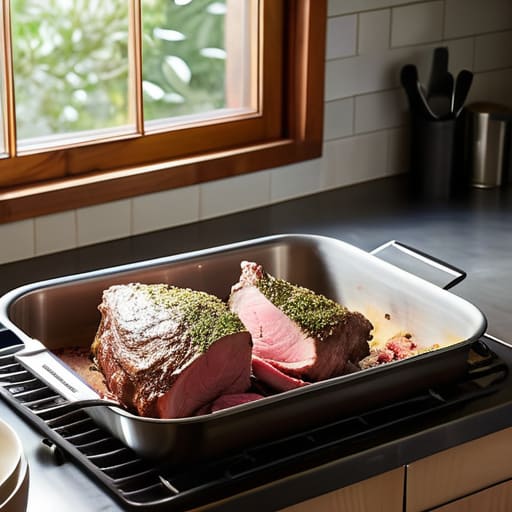
I’ve seen it a thousand times in commercial kitchens and in clients’ homes: someone buys a cheap, non-stick ovenware set thinking they’re being smart, only to have the coating peel off after six months of high-heat roasting. It’s frustrating and, frankly, a waste of money. If you want something that can actually handle the heat of a heavy bird or a thick cut of beef, you need to look toward a stainless steel roasting pan. Unlike those flimsy, coated pans that warp the moment they hit a hot oven, high-quality steel is built to endure. It won’t leach chemicals into your food, and more importantly, it won’t fail you when you’re halfway through a holiday meal.
When you invest in heavy duty bakeware, you aren’t just buying a vessel; you’re buying durability. A solid stainless steel piece provides even heat distribution that those trendy, thin-walled alternatives simply can’t match. I always tell people that if you aren’t planning to replace it every two years, you should skip the “convenience” of non-stick and go for the real deal. It might take a little more elbow grease to clean, but that’s a small price to pay for a tool that will actually last a lifetime.
The Timeless Strength of a Cast Iron Roasting Dish
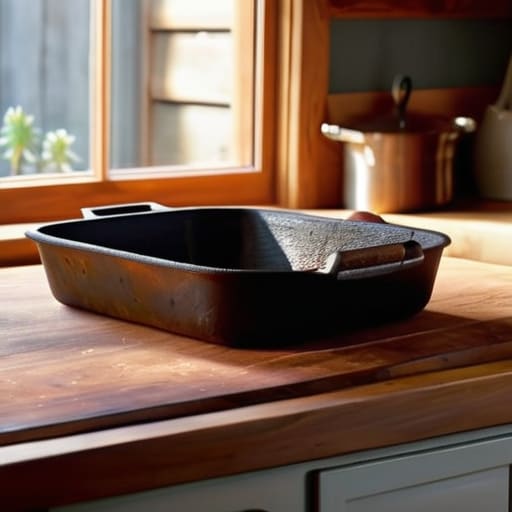
If you ask me, there is nothing quite like the heft of a seasoned cast iron roasting dish sitting on your counter. I’ve spent years in commercial kitchens where everything was stainless steel for the sake of sanitation, but when I’m back in my own home, I reach for cast iron every single time. It holds heat like nothing else. While a standard stainless steel roasting pan is great for quick tasks, cast iron provides a steady, even temperature that prevents those frustrating hot spots that can ruin a delicate roast.
The real beauty of this heavy-duty bakeware is its longevity. You aren’t just buying a dish; you’re buying an heirloom. Unlike those flimsy, coated non-stick ovenware options that start peeling after six months of scrubbing, cast iron only gets better with age. It’s part of those essential kitchen roasting essentials that actually deserve a permanent spot in your cabinet. Just make sure you pair it with a sturdy roasting pan with rack setup if you want to ensure proper airflow around your meat. It’s about doing it right the first time.
Five Things to Look for Before You Open Your Wallet
- Check the weight before you buy. If a pan feels light in your hand, it’s going to warp the moment it hits a hot oven, and you’ll be left with unevenly cooked meat and a useless piece of metal.
- Look for a heavy-duty lid. A tight-fitting lid isn’t just a luxury; it traps the steam and juices that keep your roast from turning into a piece of dry leather.
- Skip the non-stick coatings. They’re a trap. They peel, they scratch, and they won’t survive a lifetime of scrubbing. Stick to stainless steel or cast iron that you can actually maintain.
- Ensure it has sturdy handles. You don’t want to be playing a high-stakes game of “will this slip?” when you’re pulling a heavy, juice-filled pan out of a 400-degree oven.
- Match the size to your actual lifestyle. Don’t buy a massive commercial-sized pan just because it’s on sale if you’re only ever cooking for two or four people; it’ll just take up precious cabinet space and be a nightmare to clean.
The Bottom Line on Your Next Roast
Stop chasing the latest non-stick coating that’s destined for a landfill in two years; stick to stainless steel or cast iron if you want a pan that survives decades of heavy use.
Heat retention is everything, so prioritize heavy-duty materials over lightweight, flimsy alternatives if you want even cooking and a proper crust on your meat.
A good roasting pan is a long-term investment in your kitchen’s efficiency, not a disposable gadget you’ll be replacing every time you host a holiday dinner.
The Real Cost of Cheap Metal
“I’ve seen enough flimsy, thin-walled pans warp under heat to last a lifetime. If you’re buying a roasting pan just to get through this holiday season, you’re doing it wrong; buy something with weight and substance that’s actually going to be in your kitchen ten years from now.”
Rosalind Hayter
Choosing Tools That Stand the Test of Time
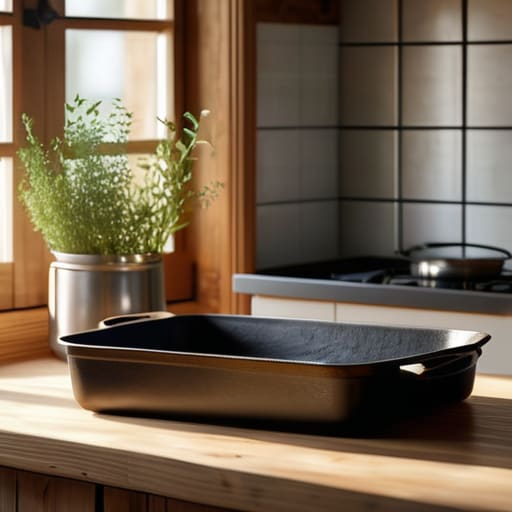
At the end of the day, choosing between stainless steel and cast iron isn’t about following a specific trend; it’s about understanding how you actually move in your kitchen. If you need something versatile that can handle the heat and won’t react with acidic marinades, go with the stainless steel. If you want that incredible heat retention for a slow, even roast, you can’t beat the weight of cast iron. Whatever you decide, make sure you are investing in durability rather than convenience. Avoid those thin, non-stick coated pans that promise ease but end up in a landfill after a year of scrubbing. A good roasting pan should be a permanent fixture in your cabinet, not a temporary guest.
I’ve spent enough years in commercial kitchens to know that the most expensive piece of equipment isn’t always the best—the right one is. A kitchen is more than just a collection of gadgets; it is the engine of your home. When you stop chasing the latest kitchen “must-have” and start focusing on high-quality, foundational tools, you stop fighting your equipment and start enjoying the process of cooking. Buy it once, take care of it, and let it serve you for decades. Build a kitchen that works for you, and the rest will fall into place.
Frequently Asked Questions
How do I know if a roasting pan is heavy-duty enough to prevent warping in a high-heat oven?
Don’t just look at the price tag; look at the weight and the construction. If you pick it up and it feels flimsy or hollow, put it back. You’re looking for a thick, heavy base—ideally with a multi-clad construction if it’s stainless steel. A good rule of thumb? If the bottom feels like it could bend under the weight of a heavy roast, it’s going to warp the second it hits a hot oven.
Is it actually worth the extra money to get a pan with a built-in rack, or should I just buy a separate one?
Don’t let a salesperson talk you into a built-in rack just because it looks “complete.” In my experience, built-in racks are a nightmare to clean and often sit awkwardly in the pan, making it harder to baste. I always recommend buying a high-quality, separate heavy-duty rack. It gives you much more flexibility for different sizes of meat and, more importantly, it’s a hell of a lot easier to scrub when you’re done.
Can I use my stainless steel or cast iron roasting pan for stovetop tasks, or are they strictly oven-only?
If you’ve invested in quality, you’ve already won half the battle. Your cast iron is a workhorse; you can sear meat directly on the burner before sliding it into the oven. It’s perfect for making a quick pan sauce, too. Your stainless steel is a bit more temperamental. While it handles stovetop heat well, watch your temperature control to avoid scorching. Just stay away from glass or ceramic—those are strictly oven-only territory.
