I’ve spent twenty years in commercial kitchens watching people throw money down the drain on “specialty” cookware that ends up in a landfill by next Christmas. Most of those colorful, thin-walled sets you see in big-box stores are nothing more than expensive clutter; they heat unevenly, crack under stress, and frankly, they’re a joke. If you’re looking for a high-tech, gadget-heavy solution to your lasagna problem, you’re in the wrong place. A real, reliable baking dish doesn’t need a fancy brand name or a silicone lid—it just needs proper thermal mass to get the job done right every single time.
I’m not here to sell you on trends or tell you that you need a different pan for every single recipe. My goal is to cut through the noise and help you build a collection of tools that actually work as hard as you do. I’m going to show you exactly which materials—from heavy-duty ceramic to seasoned cast iron—are worth your hard-earned money and which ones are just plastic junk in disguise. Let’s get your kitchen organized with pieces that will last a lifetime.
Table of Contents
The Great Debate Glass vs Ceramic Bakeware
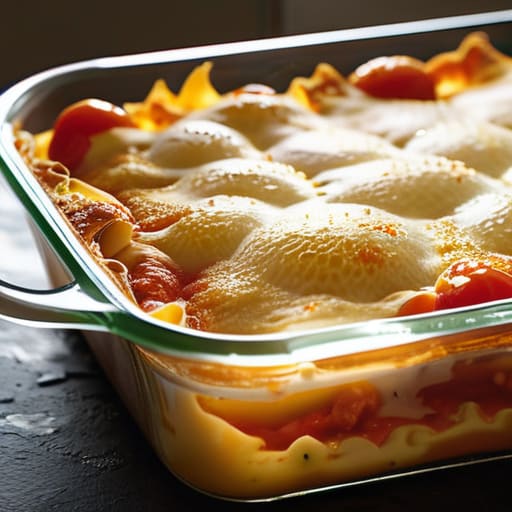
I’ve spent enough hours in commercial kitchens to know that your choice of material changes everything about how your food actually behaves. When people ask me about glass vs ceramic bakeware, they usually want to know which one looks better on a dinner table. That’s fine, but I care about how the heat moves. Glass is predictable; it’s great for seeing if your lasagna is bubbling, but it has a major flaw: it holds onto heat for a long time. If you pull a glass dish out of the oven, your food keeps cooking for several minutes on the counter.
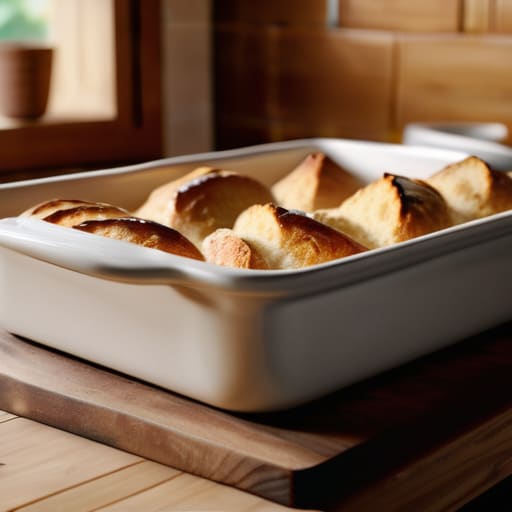
Ceramic, on the other hand, is a different beast entirely. It’s much heavier and offers superior heat distribution in baking, which is vital when you’re trying to get an even rise on a savory bread pudding or a thick casserole. Because ceramic is more porous than glass, it tends to absorb and radiate heat more steadily. However, you have to be careful with temperature shocks. I always tell my clients that if you’re going to invest in high-end ceramic, you need to follow proper kitchenware maintenance tips—never take a hot dish straight from the oven to a cold marble countertop, or you’ll be buying a replacement by dessert.
Why Heat Distribution in Baking Defines Your Results
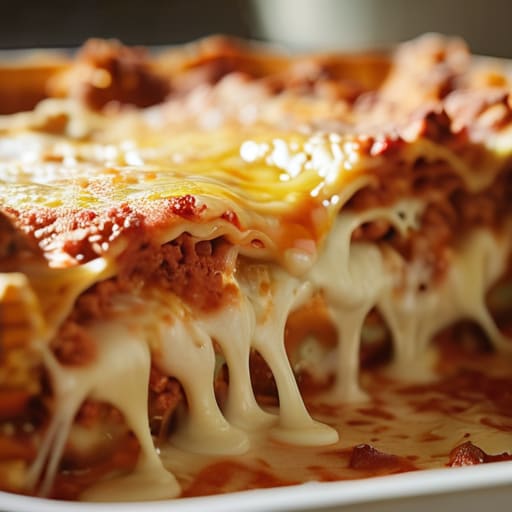
Look, I’ve seen too many home cooks pull a lasagna out of the oven only to find the edges are scorched while the center is still lukewarm. It’s frustrating, and frankly, it’s usually a tool problem, not a recipe problem. When we talk about heat distribution in baking, we aren’t just talking about getting things hot; we’re talking about how that heat moves through the walls of your vessel. If your material can’t manage that flow, you’re going to end up with unevenly cooked meals every single time.
This is exactly why I’m so picky about the best materials for casserole dishes. Heavy-duty ceramic or thick stoneware acts as a thermal battery. It absorbs the heat from your oven and releases it slowly and steadily. This prevents those sudden temperature spikes that ruin delicate gratins. On the flip side, if you’re using thin, cheap alternatives, the heat hits the food too fast. You want a piece of oven safe cookware that holds its temperature long enough to cook the food through, rather than just burning the surface.
My Rules for Choosing a Dish That Won't Let You Down
- Stop buying sets of twelve matching dishes. You really only need two or three high-quality, heavy-duty pieces in different sizes. Most of those massive 20-piece sets are just filler, and you’ll end up with a cupboard full of flimsy junk you never touch.
- Check the weight before you buy. If a ceramic dish feels light as a feather in the store, it’s going to be a nightmare in your oven. You want something with some heft; mass equals heat retention, and heat retention is what prevents your lasagna from being lukewarm in the middle.
- Look for straight sides, not sloped. If you’re making something like a gratin or a layered casserole, those sloped edges from “decorative” dishes make it impossible to get clean portions. Straight sides mean even cooking and much easier serving.
- Avoid anything with delicate handles or overly intricate patterns. I’ve seen too many people ruin a beautiful meal because their fancy dish was too awkward to grab with oven mitts. If you can’t maneuver it safely, it doesn’t belong in your kitchen.
- Match the dish to the task, not the trend. If you’re doing a quick weeknight bake, a standard ceramic dish is fine. But if you’re looking for that perfect, crispy crust on a bread pudding, skip the glass and reach for something that can handle high, sustained heat without shattering.
The Bottom Line on Your Bakeware
Stop chasing the cheap glass sets that crack the moment they hit a hot oven; invest in heavy-duty ceramic or stoneware that holds heat steady and actually lasts.
Remember that heat distribution is everything—if your dish has thin walls, you’re going to end up with burnt edges and a raw center every single time.
Buy for utility, not for the aesthetic; a dish that’s easy to clean and goes straight from the oven to the table is worth far more than a trendy piece of junk you’re afraid to use.
## The Cost of Cheap Bakeware
“I’ve seen too many people buy a dozen flimsy, mismatched glass dishes only to have them crack under heat stress six months later; do yourself a favor and buy one heavy-duty ceramic piece that actually holds its temperature, because a kitchen built on disposable tools is just a recipe for frustration.”
Rosalind Hayter
Stop Collecting, Start Cooking
At the end of the day, choosing a baking dish isn’t about having a cabinet full of mismatched, colorful containers that serve no real purpose. It’s about understanding that material matters. Whether you opt for the even, steady heat of a heavy ceramic dish or the classic reliability of glass, you need to prioritize thermal mass and durability. Don’t get distracted by the flashy, thin-walled sets sold in big-box stores; they’ll warp or crack the moment you put them to real work. Stick to the basics: find a few high-quality pieces that distribute heat predictably and build a foundation that won’t fail you mid-recipe.
My advice is simple: stop chasing the trends and start investing in your craft. A kitchen shouldn’t be a graveyard for “as seen on TV” gadgets that end up in a landfill after six months. Instead, aim for a collection of tools that feel substantial in your hands and improve with every use. When you own gear that actually works, you stop worrying about the equipment and start focusing on the food. Cook with intention, use what you have, and buy things that are meant to be passed down, not tossed out. That is how you build a kitchen that truly serves you.
Frequently Asked Questions
Is it actually worth the extra weight and cost to switch from my current glass dishes to heavy-duty ceramic?
Look, I’ve seen enough flimsy glass shatter in a hot oven to know the frustration. If you’re cooking for a crowd or making something that needs a steady, even heat—like a lasagna that actually holds its temperature—then yes, it is worth it. You’re paying for thermal mass, not just weight. Stop buying disposables and invest in heavy-duty ceramic. It’s a one-time cost for a tool that won’t quit on you.
How do I know if a baking dish is truly oven-safe or just cheap material that's going to crack under high heat?
Look, don’t just trust the label on the bottom and hope for the best. If you’re looking at a dish in a store, check the weight. If it feels light and hollow, it’s likely thin, cheap material that’ll succumb to thermal shock the second you take it from the counter to a hot oven. I always look for heavy-duty ceramic or thick-walled stoneware. If it feels substantial in your hands, it’s built to handle the heat.
Can I use the same ceramic dishes for both oven baking and serving at the table, or will they look too messy?
You absolutely can, and honestly, you should. In my years managing catering lines, we never wasted time transferring food to different vessels if we didn’t have to. If you choose a high-quality, heavy-duty ceramic dish with a clean silhouette, it looks intentional and elegant on the table. Just avoid anything with chipped edges or baked-on stains. A sturdy, well-maintained dish makes the transition from oven to table seamless and effortless.
