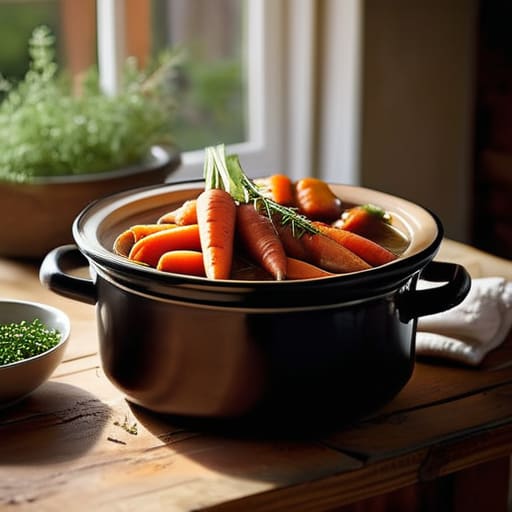
I spent twenty years in commercial kitchens where every second and every cent counted, so nothing irritates me more than seeing people clutter their counters with “smart” kitchen gadgets that do nothing but take up space. I’ve seen countless folks fall for the marketing hype, buying a high-tech, digital-display slow cooker that promises to revolutionize their lives, only to have it end up gathering dust in a cabinet when the fancy interface breaks. You don’t need a computer in your kitchen to make a decent pot of stew; you just need a heavy-duty vessel that can actually hold heat and survive a decade of daily use.
In this guide, I’m cutting through the noise to tell you what actually matters when you’re shopping for gear. I’m not here to sell you on the latest trends or expensive bells and whistles that you’ll never touch. Instead, I’m going to share my no-nonsense criteria for finding a workhorse that earns its spot on your countertop. We’ll talk about weight, lid seals, and why sometimes the simplest models are the smartest investment you can make for a functional home.
Table of Contents
- Unlocking the Low and Slow Cooking Benefits
- Slow Cooker vs Pressure Cooker Choosing Lasting Utility
- Five Rules for Making Your Slow Cooker Actually Work for You
- My Golden Rules for Choosing a Slow Cooker
- The Truth About the Slow Cooker
- Final Thoughts on Your Slow Cooker Investment
- Frequently Asked Questions
Unlocking the Low and Slow Cooking Benefits
Unlocking the Low and Slow Cooking Benefits
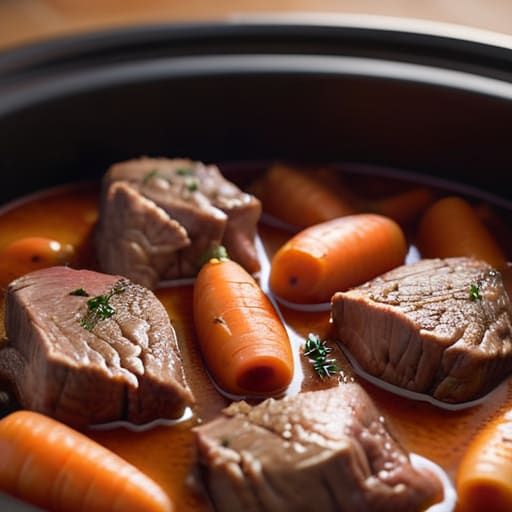
When I was managing commercial kitchens, we relied on high heat to move volume, but there is a specific magic that happens when you step away from the flame. The real low and slow cooking benefits aren’t just about convenience; it’s about chemistry. When you cook proteins at a steady, lower temperature over several hours, the connective tissues—the tough stuff that makes cheap cuts of meat difficult to chew—slowly melt into gelatin. This process transforms a budget-friendly chuck roast into something that falls apart with nothing more than a fork.
Beyond the texture, this method is my secret weapon for efficient living. I’m a big believer in set it and forget it meals because they allow you to reclaim your evening without sacrificing a real, home-cooked dinner. Instead of hovering over a stove after a long day, you can rely on those consistent heat levels to do the heavy lifting for you. It’s the most reliable way to ensure that even the most basic ingredients end up tasting like they took all day to prepare.
Slow Cooker vs Pressure Cooker Choosing Lasting Utility
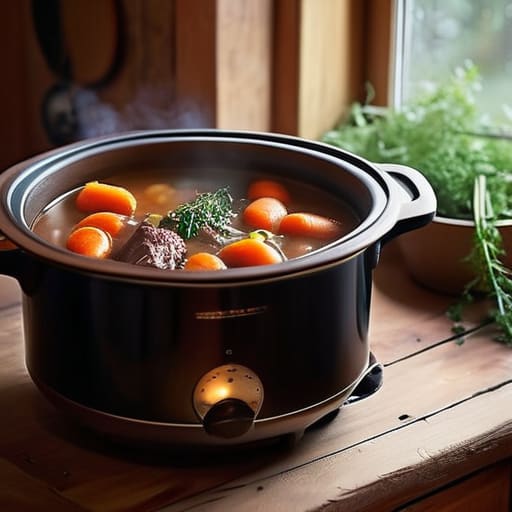
I see this debate all the time: do you buy a high-tech pressure cooker or stick with a traditional ceramic pot? If you’re looking for speed, the pressure cooker wins. It’s great for when you’ve forgotten to take the meat out of the freezer and need dinner in thirty minutes. But if you ask me, speed isn’t always the goal of a good meal. When it comes to slow cooker vs pressure cooker, the real winner for flavor is the one that doesn’t rush the process.
A pressure cooker forces food to cook under intense heat, which can sometimes leave proteins feeling a bit rubbery if you aren’t careful. A classic crock pot, however, allows connective tissues in tougher, cheaper cuts of meat to melt away naturally over several hours. This is where you find those truly tender results that make set it and forget it meals worth the counter space. If you want to build a kitchen based on utility rather than hype, prioritize the tool that masters patience. It’s the difference between a rushed meal and a dinner that actually tastes like it had time to develop.
Five Rules for Making Your Slow Cooker Actually Work for You
- Stop drowning your ingredients in liquid. Unlike a stovetop pot, a slow cooker traps all that steam inside, so things don’t evaporate. If you add too much water or broth at the start, you’ll end up with a bland, watery soup instead of a rich, flavorful stew.
- Layer your ingredients with intention. Always put your hardest, densest vegetables—like carrots, potatoes, or onions—at the very bottom. They need the direct heat from the element to soften, whereas delicate meats should sit on top so they don’t turn into mush.
- Skip the “set it and forget it” trap with dairy. If a recipe calls for cream, cheese, or yogurt, wait until the very end. If you toss milk into a slow cooker for eight hours, it’ll break and separate, leaving you with a grainy texture that’s frankly unappetizing.
- Don’t be a lid-lifter. Every time you peek to see if things are done, you release all that captured heat and reset the cooking clock. If you’re constantly lifting the lid, you aren’t slow cooking; you’re just making your dinner take twice as long.
- Invest in a heavy ceramic insert, not a cheap replacement. If you’re buying a unit, make sure the crock is substantial and retains heat well. A thin, flimsy ceramic liner won’t distribute temperature evenly, and you’ll find yourself fighting unevenly cooked food.
My Golden Rules for Choosing a Slow Cooker
Stop chasing the latest multi-functional gadget with twenty buttons; look for a heavy-duty ceramic insert and a simple, reliable heating element that won’t quit on you.
Size matters more than you think—buy a model that fits your actual lifestyle, not just your smallest recipe, so you aren’t constantly upgrading when you actually have people over for dinner.
Focus on durability over bells and whistles; a high-quality slow cooker should be a permanent fixture on your counter, not a piece of plastic junk relegated to the back of the pantry after six months.
The Truth About the Slow Cooker
A slow cooker isn’t a magic wand that makes bad ingredients taste good; it’s a reliable workhorse that respects the chemistry of time. Stop looking for a gadget that does the thinking for you and start looking for one that lets you focus on the prep.
Rosalind Hayter
Final Thoughts on Your Slow Cooker Investment
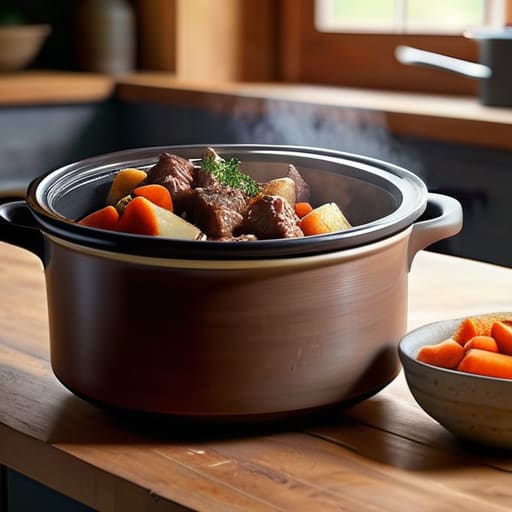
At the end of the day, choosing a slow cooker isn’t about finding the one with the most buttons or the flashiest digital display. It’s about identifying a tool that can handle the heavy lifting of your weekly meal prep without falling apart. We’ve looked at how the low-and-slow method transforms tough cuts of meat into something tender, and we’ve weighed the steady reliability of a slow cooker against the high-speed intensity of a pressure cooker. My advice remains the same: skip the single-use gimmicks and look for a model with a solid heating element and a heavy-duty ceramic or stoneware insert. If you buy a piece that is built to endure, you aren’t just buying a kitchen appliance; you are investing in a reliable workhorse that will serve your household for years to come.
A well-run kitchen is built on foundation, not trends. Once you have a quality slow cooker sitting on your counter, the real magic happens in your habits—learning how to prep your ingredients efficiently and how to let time do the hard work for you. Don’t let the fear of a cluttered pantry or a complicated recipe stop you from embracing this method. Focus on the quality of your tools and the consistency of your routine. When you stop chasing every new gadget and start mastering the basics, you’ll find that cooking becomes less of a chore and more of a seamless part of your life. Now, grab your notebook, plan your first batch, and let the machine do the rest.
Frequently Asked Questions
Is it actually worth spending more on a heavy ceramic crock, or will a cheap glass one do the same job?
Don’t let the price tag fool you into thinking glass is a shortcut. In my experience, a heavy ceramic crock is worth every extra cent. Ceramic holds heat much more steadily, which is the whole point of low-and-slow cooking. Cheap glass tends to have hot spots and can even crack under thermal shock if you aren’t careful. If you want consistent results and a tool that won’t fail you mid-meal, go with the ceramic.
How do I know if a slow cooker is powerful enough to handle a large roast without leaving the meat tough?
Don’t get distracted by fancy digital displays; look at the wattage and the heating element. For a large roast, you need a unit that can consistently hit a simmer without struggling. If your slow cooker takes two hours just to get warm, that meat is going to sit in lukewarm liquid, turning it tough and gray instead of tender. Look for a heavy-duty model with a thick ceramic insert that holds heat steady.
Can I safely use my slow cooker to cook frozen meat, or is that a recipe for food poisoning?
Don’t do it. I know it’s tempting when you’re rushing, but putting frozen meat straight into a slow cooker is a massive safety risk. Because these machines heat up gradually, that meat sits in the “danger zone” for far too long, allowing bacteria to multiply before the temperature actually climbs. It’s not worth the risk of food poisoning. Thaw your proteins in the fridge overnight first; it’s the only way to ensure a safe, reliable meal.
