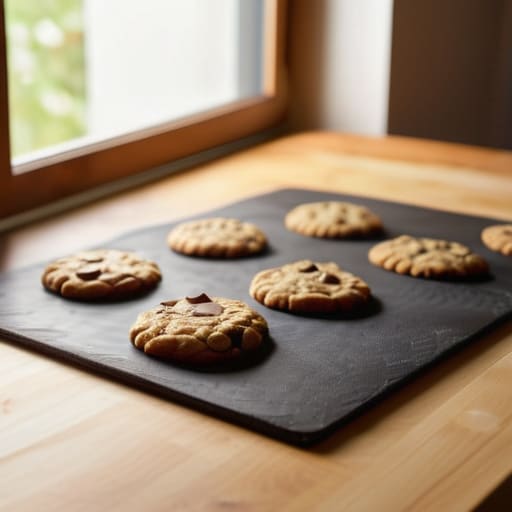
I spent twenty years in commercial kitchens where efficiency was the only law, and if there’s one thing that drives me up the wall, it’s watching people throw money down the drain on single-use disposables. I see it every time I walk into a client’s home: stacks of parchment paper and aluminum foil cluttering the pantry, destined for a landfill after one use. Honestly, if you’re still reaching for those flimsy sheets every time you want to bake a batch of cookies, you’re just working harder for no reason. Investing in a high-quality silicone baking mat isn’t some trendy kitchen hack; it’s a fundamental move toward a more functional, waste-free workspace.
I’m not here to sell you on some overpriced, designer gadget that looks pretty on a social media feed but fails the first time it hits a hot oven. My goal is to cut through the marketing fluff and tell you exactly what to look for in a silicone baking mat that will actually survive years of heavy use. I’ll share what I’ve learned from professional catering lines and my own home to help you pick tools that last a lifetime.
Table of Contents
Why I Chose a Reusable Parchment Paper Alternative
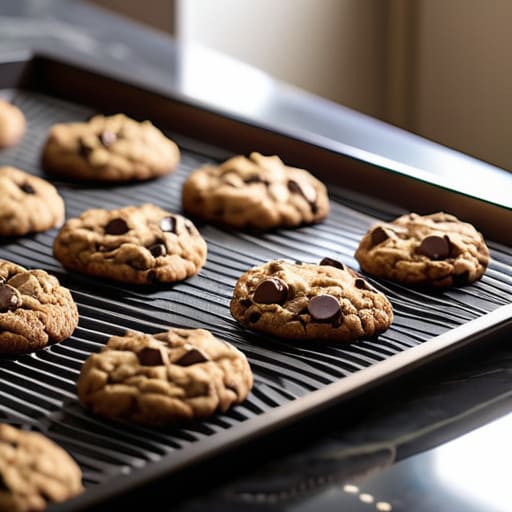
I’ve spent enough time in commercial kitchens to know that waste is the enemy of a functional workspace. Every time I see someone tearing off a huge sheet of parchment paper just to bake a single tray of cookies, I see money and resources going straight into the bin. When I transitioned from managing large catering crews to organizing home kitchens, I realized that most people aren’t looking for more clutter—they’re looking for efficiency. Switching to a reusable parchment paper alternative wasn’t just about being green; it was about streamlining my workflow.
Beyond the environmental impact, there is a massive practical advantage to how these mats perform. Unlike flimsy paper that curls up or tears when things get sticky, a high-quality mat provides a consistent, non-stick pastry surface every single time. I’ve found that they offer much more stability under a heavy rolling pin or a heavy sheet pan. When you’re comparing silicone vs parchment paper, the real winner is the tool that stays flat and predictable. You aren’t fighting your equipment; you’re just cooking.
The Truth About Even Heat Distribution Baking
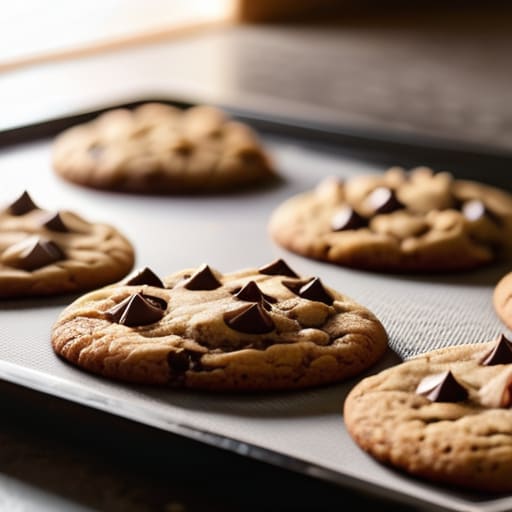
The truth is, most people think a baking mat is just about preventing a mess, but it’s actually about how the heat behaves. When you use standard parchment, you’re essentially creating a thin, irregular barrier that can lead to hot spots or scorched bottoms. A high-quality mat provides a much more consistent non-stick pastry surface that helps regulate how energy moves from your pan into your dough. I’ve seen too many amateur bakers struggle with cookies that are burnt on the edges but raw in the middle; that’s usually a heat management issue, not a recipe flaw.
When you’re looking at even heat distribution baking, you want a tool that acts as a stabilizer. Because these mats are engineered to sit flush against your sheet pan, they eliminate those tiny air pockets that cause uneven cooking. It’s a subtle difference, but once you switch from the flimsy, crinkled texture of disposable paper to a flat, professional-grade surface, you’ll notice your pastries come out with a much more uniform golden hue. It’s about working with the physics of your oven, not fighting against it.
My Rules for Getting the Most Out of Your Mats
- Stop over-greasing. One of the biggest mistakes I see is people slathering oil on a silicone mat like they’re prepping a cast iron skillet. These things are designed to be non-stick; a light wipe with a damp cloth is usually all you need to keep them ready for the next batch.
- Watch your temperature limits. I’ve seen too many people crank the oven to 500°F thinking they can sear a protein on a mat, only to end up with a melted, sticky mess. Check the manufacturer’s rating, but generally, stay within the standard baking range to avoid warping the silicone.
- Don’t use them for everything. A silicone mat is a dream for cookies and delicate pastries, but if you’re trying to get a heavy, crusty bread bottom, you might actually want a stone or a sheet pan. Know when the tool is the right fit for the job.
- Clean them properly to avoid buildup. If you notice your cookies are starting to stick, you’ve likely got a layer of burnt sugar or grease buildup. Skip the abrasive scrubbers—they’ll tear the surface—and just use warm, soapy water and a soft sponge.
- Store them flat or hung. I keep mine in a slim drawer, but if you’re tight on space, hanging them on a peg is fine too. Whatever you do, don’t pile heavy cast iron or heavy pots on top of them in your cupboard, or you’ll end up with permanent creases that ruin the even surface.
The Bottom Line on Silicone Mats
Stop treating your kitchen like a landfill; switching to a reusable mat saves you money and cuts down on the endless cycle of buying and tossing parchment paper.
Don’t expect a miracle for delicate pastries, but for cookies, roasted veggies, and everyday bakes, the non-stick reliability is unbeatable.
Quality matters—look for food-grade, heavy-duty silicone that won’t warp or peel after three uses, because I’m not interested in adding more cheap junk to your drawers.
## Stop Buying Trash
“I’ve spent enough years in commercial kitchens to know that a good tool isn’t a luxury—it’s a way to save your sanity and your wallet. A quality silicone mat isn’t just about stopping things from sticking; it’s about cutting out the endless cycle of buying, wasting, and throwing away flimsy parchment paper that fails you right when the oven gets hot.”
Rosalind Hayter
Making the Right Call for Your Kitchen
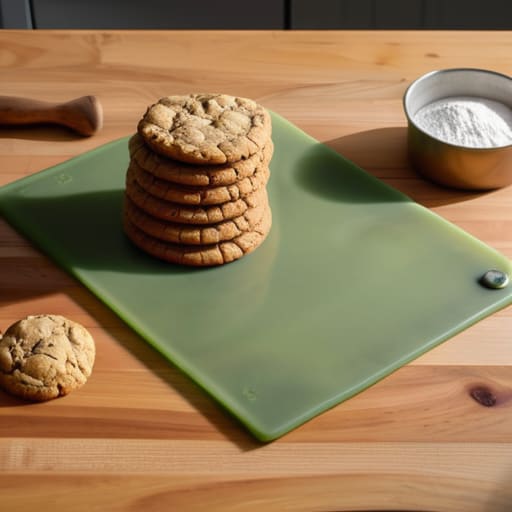
At the end of the day, a silicone baking mat isn’t some luxury item or a high-tech gadget you need to justify; it’s just a sensible, long-term solution to a common problem. We’ve talked about how they save you from the constant cycle of buying disposable parchment, how they help manage heat distribution for a better bake, and how they simplify your cleanup routine. When you stop viewing your kitchen tools as single-use items and start looking at them as investments in your daily workflow, everything changes. You aren’t just buying a mat; you are eliminating unnecessary waste and making your baking process much more predictable.
My advice is simple: stop overcomplicating your pantry and start focusing on quality. You don’t need a drawer full of specialized gadgets that only work once a year. Instead, build a kit of reliable, heavy-duty essentials that can handle the heat and stand the test of time. Whether you are a seasoned pro or just trying to get through a batch of cookies without a mess, remember that a functional kitchen is built on smart, intentional choices. Grab a good mat, trust your instincts, and get back to the actual joy of cooking.
Frequently Asked Questions
Are these mats actually dishwasher safe, or will they just warp and degrade after a few cycles?
Look, I get the skepticism. After years in commercial kitchens, I’ve seen plenty of “durable” gear melt into a sad, warped puddle after one trip through a high-heat cycle. Most decent silicone mats are absolutely dishwasher safe, but here’s my advice: use the top rack and skip the heavy-duty drying cycle. High heat is the enemy of longevity. If you treat them with a little respect, they’ll outlast your favorite rolling pin.
Can I use them for high-heat roasting, or are they strictly for baking cookies and pastries?
Don’t go pushing them to their absolute limits. Most quality mats are rated up to 450°F or 480°F, which is plenty for cookies or roasting vegetables, but I wouldn’t dream of using one for a high-heat sear or heavy roasting that requires intense, direct heat. If you’re cranking the oven to 500°F for a crusty bread or a quick roast, stick to my cast iron or a heavy baking sheet.
Do they actually prevent sticking with sticky doughs, or am I still going to need a little grease?
Look, I’ll give it to you straight: if you’re working with a high-sugar dough or something particularly tacky, don’t rely on the mat alone. While a good silicone mat is miles ahead of parchment, it isn’t magic. For those “sticky” situations, I still recommend a quick, light spray of oil or a thin wipe of butter. It’s not about the mat failing; it’s about ensuring a clean release so you aren’t fighting your food.
