I spent two decades in commercial kitchens where “eyeballing it” wasn’t just a suggestion—it was a fast track to a ruined service and wasted food costs. I see people today buying these expensive, gadget-heavy smart scales that sync to their phones, yet they still can’t get a consistent loaf of bread to rise. It’s frustrating because most people treat kitchen scale usage like some high-tech chore rather than the simple, foundational habit it actually is. If you’re still relying on those flimsy plastic measuring cups to estimate your flour or liquids, you aren’t cooking; you’re just hoping for the best.
I’m not here to sell you on a new piece of tech or a complicated system that requires a manual. My goal is to strip away the fluff and show you how to use a basic, reliable scale to bring true discipline to your countertop. I’ll show you exactly how to integrate proper kitchen scale usage into your daily routine so you can stop wasting ingredients and start getting the same professional results every single time you cook.
Table of Contents
Baking by Weight vs Volume a Habit for Success
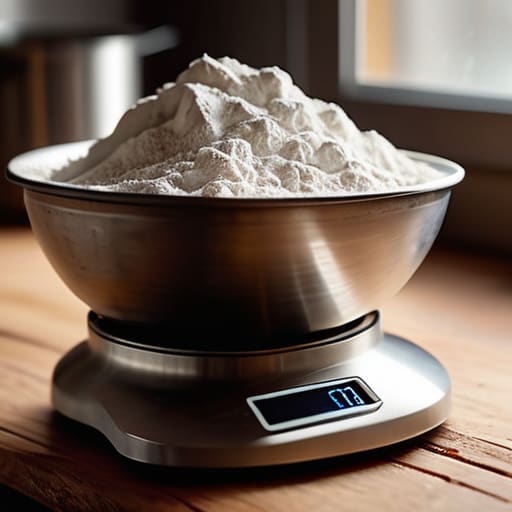
If you’ve ever pulled a cake out of the oven only to find it’s dense, gummy, or strangely dry, the culprit likely isn’t your oven—it’s your measuring cups. Most people rely on volume, but when it comes to baking by weight vs volume, volume is a liar. A cup of flour can vary by as much as twenty percent depending on how tightly you pack it into the vessel. One day you’re light and airy; the next, you’re essentially baking a brick. By switching to a scale, you eliminate that variable entirely.
I tell my clients that consistency is the difference between a hobbyist and a professional. To get it right, you need to master measuring dry ingredients accurately by using grams rather than cups. This isn’t just about being “fancy”; it’s about discipline. Once you get used to the process, you’ll realize how much time you save by using a single bowl and utilizing the tare function to zero out your container between ingredients. It keeps your workspace clean and your ratios perfect every single time.
Measuring Dry Ingredients Accurately Without the Waste
If you’re still scooping flour into a measuring cup, you’re likely packing more into that cup than the recipe intended. It’s a common mistake, but one that ruins the texture of a delicate sponge or a hearty loaf of bread. To start measuring dry ingredients accurately, you need to stop treating your ingredients like liquids. Instead, place your mixing bowl directly on the scale and use the tare function explained in my previous guide to zero it out. This allows you to add flour, sugar, or even cocoa powder directly into the vessel without ever touching a measuring spoon.
The real beauty of this method is the reduction in mess and wasted product. When you’re working with expensive spices or small amounts of specialty flours, every gram counts. By switching to a scale, you eliminate the need for a mountain of dirty dishes and the constant “leveling off” dance with a knife. It’s about streamlining your workflow and ensuring that what goes into the bowl is exactly what the recipe demands. Once you get into the rhythm of weighing as you go, you’ll wonder how you ever managed with those bulky, imprecise cups.
Five Ways to Stop Fighting Your Scale and Start Using It
- Master the tare function like your life depends on it. The “zero” button isn’t just a suggestion; it’s your best friend. Put your bowl down, hit tare, add your flour, hit tare again, and add your sugar. It keeps your workspace clean and prevents you from having to wash five different measuring cups just to make one batch of cookies.
- Stop using your scale for things that don’t need it. You don’t need to weigh a single clove of garlic or a pinch of salt. Use the scale for the heavy hitters—flour, sugar, butter, meat, and liquids. If you’re weighing every single tiny spice, you’re just wasting time and making your workflow clunky.
- Keep your scale on a flat, stable surface. I’ve seen people try to weigh ingredients on a pile of cookbooks or a slightly tilted countertop, and it drives me up the wall. If the surface isn’t level, your readings are lies. Find a dedicated spot on your counter and keep it there.
- Mind the capacity limits. Every scale has a breaking point, and if you try to weigh a heavy Dutch oven on a delicate digital scale meant for spices, you’re going to break it. Check the max weight capacity before you start loading up your ingredients, especially if you’re prepping for a large meal.
- Clean it immediately. Kitchen spills and flour dust are the enemies of precision. A scale that’s coated in dried honey or fine powder won’t give you an accurate reading, and it’s a nightmare to clean once it gets stuck in the sensors. Wipe it down after every single use.
The Bottom Line: Three Rules for a More Disciplined Kitchen
Stop relying on measuring cups for everything; if you want consistency—especially in baking—start weighing your ingredients.
Invest in a heavy-duty, digital scale that you can actually rely on, rather than a cheap plastic one that will fail you mid-recipe.
Use your scale to minimize mess and waste by using the “tare” function, letting you build your recipe in a single bowl instead of cluttering your counter with extra dishes.
The Cost of Guesswork
Stop treating your ingredients like an afterthought; if you aren’t weighing your food, you aren’t cooking with precision, you’re just hoping for the best.
Rosalind Hayter
Stop Guessing and Start Cooking
At the end of the day, a kitchen scale isn’t just another gadget to clutter your countertop; it is a tool for discipline. We’ve covered why you need to ditch the inconsistent measuring cups for dry goods and why weighing your ingredients is the only way to ensure your baking actually turns out the way the recipe intended. By moving away from volume and embracing weight, you eliminate the variables that lead to wasted flour, ruined batches, and a lot of unnecessary frustration. It’s about minimizing waste and maximizing your results through consistent, repeatable precision.
My advice is simple: don’t let the fear of a new habit hold you back from becoming a better cook. It might feel a little slower at first to tare your scale and weigh every single gram, but once it becomes muscle memory, you’ll wonder how you ever managed without it. A kitchen should be a place of competence and confidence, not a place where you’re constantly second-guessing your measurements. Invest in a decent scale, build the habit, and focus on the craft of cooking rather than the luck of the draw. You’ll find that true culinary control comes from the small, steady details.
Frequently Asked Questions
Do I really need a separate scale for liquids, or can I just use the same one I use for flour and sugar?
You absolutely do not need two scales. In fact, I’d tell you that buying a second one is exactly the kind of unnecessary gadget clutter I try to help people avoid. Most decent digital scales have a tare function for a reason; just place your vessel on the scale, hit zero, and pour. Whether it’s flour or milk, one reliable scale is all you need to keep your workspace clean and your measurements precise.
How do I keep my scale accurate if I'm constantly adding and subtracting weight with different bowls?
You need to master the “tare” function—it’s your best friend. Place your empty bowl on the scale, hit the tare button to reset it to zero, and then add your ingredient. If you need to add a second item, just hit tare again. Don’t bother with a mountain of dirty bowls; use one large one, tare between ingredients, and keep your workspace clear. It’s about efficiency, not making a mess.
Is it worth investing in a heavy-duty commercial scale, or will a cheap digital one do the job for a home cook?
Look, I’ve seen enough commercial kitchens to know the difference, but don’t go throwing money at a heavy-duty industrial scale just because you saw it in a professional setting. For home use, those are overkill and often too bulky for a standard counter. Instead, skip the cheap, flimsy plastic ones that lose calibration after a month. Invest in a mid-range, stainless steel digital scale with a high capacity and a stable base. It’s the sweet spot for durability and precision.
