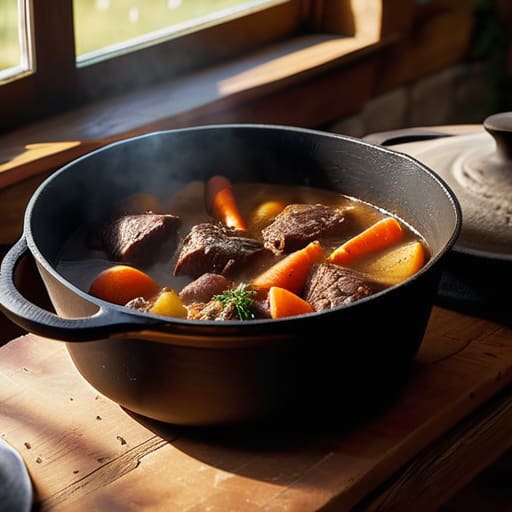
I’ve spent two decades in commercial kitchens, and if there is one thing that makes my blood boil, it’s watching people drop two hundred dollars on a designer-colored dutch oven just because it looks pretty on a social media feed. You don’t need a pastel-pink pot to make a decent stew, and you certainly don’t need a collection of five different versions of the same heavy pot. Most of those high-end brands are just marketing fluff wrapped around decent iron, and I am tired of seeing home cooks fall for the hype when they could be investing that money into better ingredients instead.
I’m not here to sell you on a lifestyle or a specific brand name. My goal is to cut through the noise and help you identify a dutch oven that actually holds heat, distributes it evenly, and—most importantly—will still be sitting on your stovetop thirty years from now. I’ll tell you exactly what to look for in terms of weight and lid fit, and I’ll show you how to avoid the flimsy junk that ends up in a landfill after six months. Let’s get your kitchen sorted with tools that actually work.
Table of Contents
Cast Iron vs Enameled Choosing Your Last Durable Kitchen Essential
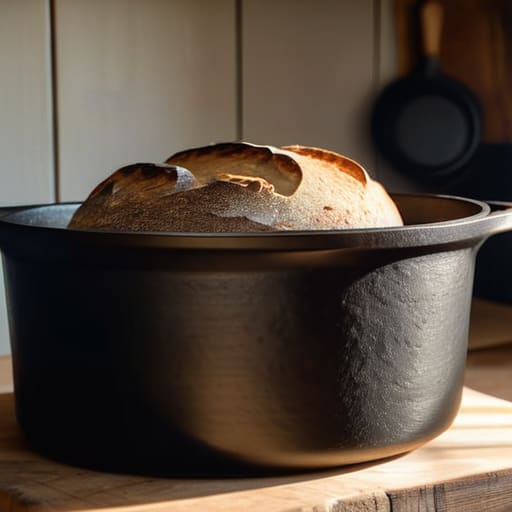
When you’re standing in the cookware aisle, you’re essentially deciding between two different philosophies of cooking. Raw cast iron is the workhorse of the professional kitchen; it’s rugged, incredibly responsive to high heat, and offers unmatched heat retention in cookware. If you don’t mind the occasional maintenance, a plain iron pot is a lifelong companion. You’ll need to learn the art of seasoning cast iron dutch oven surfaces to keep them non-stick, but once that layer is built up, there is nothing quite like it for searing meat or baking bread.
On the other hand, enameled versions are the polished cousins of the group. They come pre-coated with a glass-like finish, which means you can skip the oiling and go straight to acidic recipes like tomato-based sauces or braises without worrying about damaging the metal. While you lose that deep, seasoned patina, you gain convenience and easy cleanup. If you want the best dutch oven for stews that you can take straight from the stovetop to a beautiful table presentation without a second thought, the enameled route is your winner. Choose based on your patience, not the marketing.
The Magic of Heat Retention in Cookware
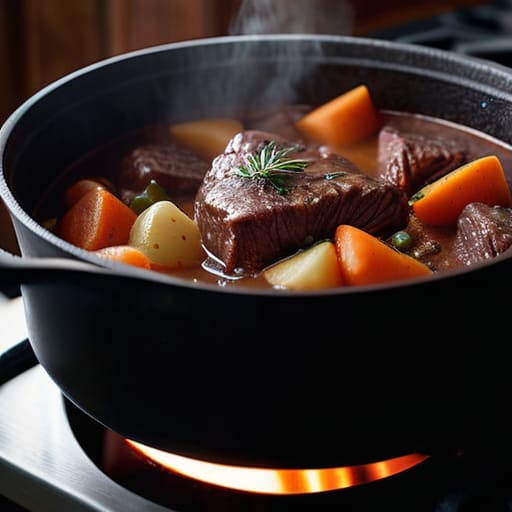
If you’ve ever tried to simmer a thick beef stew in a thin, cheap stainless steel pot, you know the frustration of a sauce that keeps breaking or burning because the temperature fluctuates every time you move the lid. That is where the real science of heat retention in cookware comes into play. A heavy-duty vessel acts like a thermal battery; once it gets up to temperature, it stays there. This steady, unwavering heat is exactly what you need for those long, slow braises where patience is the main ingredient.
When you are deciding between cast iron vs enameled dutch oven options, remember that the goal is thermal stability. A thick-walled pot won’t just cook your food; it will hold onto that energy, ensuring that even when you drop in a cold piece of meat, the temperature doesn’t plummet. This consistency is the secret to achieving that “fall-off-the-bone” texture without having to constantly babysit the stove. It’s not about fancy technology; it’s about mass and physics working together to do the hard labor for you.
Five Rules for Making Your Dutch Oven Work for You
- Stop babying your cast iron. If you’re using an enameled model, you can use mild soap, but if you’ve gone with raw cast iron, a little scrub and a light coating of oil is all it needs to stay seasoned and non-stick.
- Don’t crowd the pot. I see people trying to sear a pound of meat all at once, which just ends up steaming the food in its own juices. Work in batches so you actually get that crust you’re looking for.
- Respect the heat. You don’t need your burner on high to get a Dutch oven screaming hot; these things hold heat like a brick. Start medium, let it stabilize, and you’ll avoid the dreaded scorched bottom.
- Use it for more than just stews. I use mine for braising short ribs, baking crusty sourdough, and even deep-frying. If you’re only pulling it out once a month for a chili, you aren’t getting your money’s worth.
- Check the lid fit before you buy. A heavy, tight-fitting lid is the whole point of a Dutch oven—it traps the moisture and creates that mini-oven environment. If the lid wobbles like a loose tooth, put it back on the shelf.
The Bottom Line on Your Next Dutch Oven
Don’t get distracted by flashy colors or non-stick coatings that peel off in six months; choose between raw cast iron for high-heat searing or enameled for easy cleanup, but make sure it’s heavy enough to hold its heat.
Stop buying “specialty” pots for every single dish and invest in one high-quality, large-capacity Dutch oven that can handle everything from a slow-braised short rib to a batch of homemade sourdough.
View your cookware as a lifelong investment rather than a disposable gadget; if you buy a piece that is built to last, you’ll save yourself a fortune in replacements over the next few decades.
The Truth About Your Cookware
I’ve seen enough commercial kitchens to know that a fancy gadget is just a distraction; if you want a pot that actually earns its place on your stove, get a heavy Dutch oven that can handle a decade of Sunday roasts without flinching.
Rosalind Hayter
Making the Right Investment
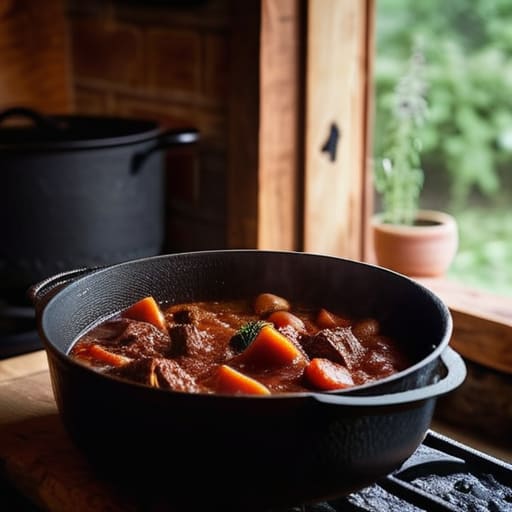
At the end of the day, choosing a Dutch oven isn’t about picking the prettiest color on a showroom shelf; it’s about understanding how you actually cook. Whether you decide to go with the rugged, lifelong reliability of raw cast iron or the easy-to-clean convenience of an enameled model, you are looking for thermal mass and durability. You want a piece of equipment that can handle a heavy sear, hold steady heat for a slow braise, and survive being passed down to the next generation. Don’t let the marketing fluff trick you into buying a lightweight, thin-walled imitation that will warp the moment you turn up the flame. Buy for the long haul, because a real Dutch oven is a workhorse, not a countertop decoration.
My advice is simple: stop chasing the latest kitchen trends and start building a foundation of tools that actually perform. A well-chosen Dutch oven will eventually become the most familiar object in your kitchen, seasoned by years of Sunday roasts and late-night stews. It’s more than just a pot; it’s a commitment to slowing down and doing things right. When you invest in quality, you aren’t just buying cookware—you’re buying the ability to cook better meals without the constant frustration of subpar gear. Get the right one, treat it with respect, and let it work for you for decades to come.
Frequently Asked Questions
Is it actually worth the extra money to go with an enameled model, or can I just stick to raw cast iron?
Look, if you’re only making heavy stews and braises, raw cast iron is your best friend—it’s cheaper and indestructible. But if you want one pot that handles everything from a delicate tomato sauce to a sourdough loaf without worrying about acidic ingredients stripping your seasoning, pay the premium for enamel. It’s more maintenance-free and easier to clean. If you can afford the jump, enamel gives you more versatility for a single investment.
How do I know if a Dutch oven is heavy enough to actually hold heat, or if it's just one of those thin, cheap imitations?
Here’s the litmus test: pick it up. If it feels surprisingly light, like you’re lifting a hollowed-out tin, put it back on the shelf. A real Dutch oven should have some serious heft; that weight is what tells you the walls are thick enough to hold steady heat. If it feels flimsy in your hands, it’ll be flimsy on your stove, and your braises will never turn out right.
Do I really need to spend time seasoning a new pot, or is that just something people do to make things more complicated than they need to be?
Look, I get it. You want to cook, not perform a chemistry experiment. But if you bought raw cast iron, skipping the seasoning is a mistake you’ll pay for in ruined meals and rust. It’s not about making things complicated; it’s about building a non-stick surface that actually lasts. If you went with enameled, you can skip the hassle entirely. But for raw iron? Do the work once so the pot works for you forever.
