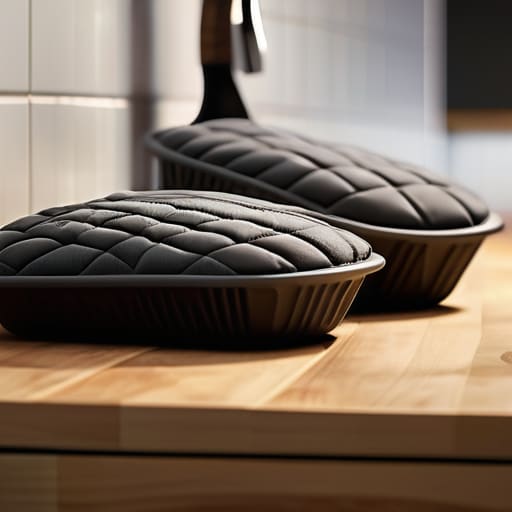
I can still smell the singed cotton and hear the sharp intake of breath from my first year managing a high-volume catering kitchen. I once watched a talented sous chef nearly lose a fingertip because he reached for a heavy Dutch oven using a pair of those flimsy, patterned fabric gloves that look cute in a lifestyle magazine but have zero thermal integrity. It was a loud, painful reminder that oven mitt safety isn’t about having the prettiest accessories on your stove; it’s about the physical barrier between your skin and a 450-degree disaster. Most people treat these as an afterthought, but in a working kitchen, they are your first line of defense.
I’m not here to sell you on some high-tech, silicone-coated gadget that will inevitably crack and end up in a landfill by next Christmas. Instead, I’m going to give you the straight truth about what actually works based on years of professional service and home organizing. We are going to cut through the marketing fluff and focus on durability, grip, and heat resistance. I’ll show you how to choose gear that lasts a lifetime so you can focus on the cooking, not on nursing a burn.
Table of Contents
- Beyond the Trend Evaluating True Thermal Insulation Effectiveness
- Mastering Safe Oven Handling Techniques for a Lifetime of Cooking
- Five Rules for Keeping Your Hands Out of the Fire
- The Bottom Line on Keeping Your Hands Safe
- ## The Cost of Cutting Corners
- Don't Let a Cheap Mitt Ruin a Good Meal
- Frequently Asked Questions
Beyond the Trend Evaluating True Thermal Insulation Effectiveness
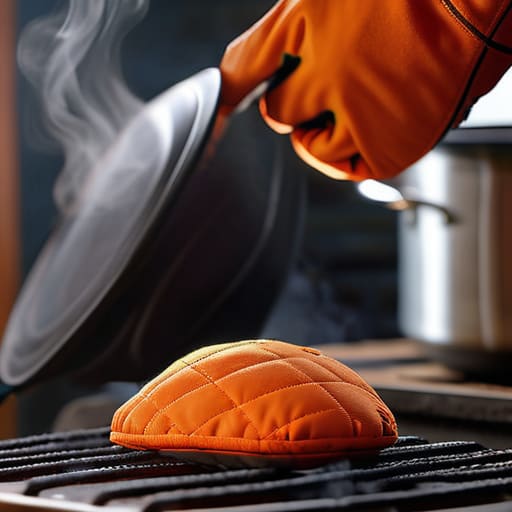
When you’re standing over a hot stove or pulling a heavy Dutch oven out of a 450-degree oven, you don’t want to be thinking about whether your gear is actually doing its job. I’ve seen too many people grab a pair of those trendy, thin silicone sleeves thinking they’re invincible, only to realize they have zero grip and even less protection against a sudden steam burst. To truly judge thermal insulation effectiveness, you have to look past the aesthetic. A quality mitt shouldn’t just feel thick; it needs to provide a substantial barrier that prevents heat from transferring to your skin the moment you make contact.
This is where the debate of silicone vs fabric mitts usually comes down to how you actually cook. Silicone is fantastic for waterproofing and grip, but if it’s too thin, it won’t stop that searing heat from soaking through. I prefer a heavy-duty, quilted cotton or linen base that has been treated for durability. You want something with enough heft to act as a buffer, ensuring that preventing kitchen burns is a built-in feature of the tool, not an afterthought. If it feels flimsy in your hand, it’s going to fail you when the pan is heavy and the heat is high.
Mastering Safe Oven Handling Techniques for a Lifetime of Cooking
Even with the best gear, your habits are what actually keep you from a trip to the urgent care. I’ve seen too many home cooks try to “quick-grab” a hot pan with a thin towel or a pair of flimsy gloves that haven’t been washed in a month. One of the most important safe oven handling techniques I learned in commercial kitchens is to never assume a handle is cool just because it looks like it. Always use a double-grip method if you’re moving something heavy or awkward; use your mitts on both hands to maintain control.
You also need to be mindful of your reach. I tell my clients all the time: don’t reach blindly into a hot oven. Clear your workspace before you even turn the heat on. If you’re debating between silicone vs fabric mitts, remember that silicone is great for grip and spills, but a heavy-duty quilted fabric provides better dexterity for maneuvering larger trays. Regardless of what you choose, make it a rule to inspect your gear for holes or thinning spots every single time you clean the kitchen. Consistency is your best defense against burns.
Five Rules for Keeping Your Hands Out of the Fire
- Ditch the thin, patterned fabric gloves. If you can feel the heat from a hot pan through the material, they aren’t doing their job. Look for heavy-duty silicone or thick, quilted cotton that actually provides a barrier between your skin and the heat.
- Check your mitts for grease and food spills before every use. I’ve seen far too many people grab a mitt that’s soaked in old oil, which not only makes it slippery but can actually become a fire hazard when it hits a hot surface.
- Never rely on a single, flimsy mitt to move multiple heavy pots. If you’re pulling a heavy Dutch oven out of the oven, use two thick, dry potholders or a high-quality silicone grip. One slip is all it takes to ruin a meal and burn yourself.
- Make sure your mitts are sized correctly for your hands. There is nothing more dangerous than trying to maneuver a heavy baking sheet with a mitt that’s too bulky or too loose, leaving you with zero tactile control and a high risk of dropping whatever you’re holding.
- Keep your oven mitts away from the stovetop burners. It sounds simple, but in a busy kitchen, it’s easy to set a cloth mitt down too close to a flame or a hot element. Treat your safety gear with the same respect you treat your knives—keep them in their proper place.
The Bottom Line on Keeping Your Hands Safe
Stop buying those thin, polyester-blend mitts that feel like nothing; if you can feel the heat through the fabric, it’s time to toss them and invest in heavy-duty, high-density silicone or thick quilted cotton.
Treat your oven mitts like any other piece of professional gear—inspect them regularly for holes, thinning spots, or grease buildup that could compromise their heat resistance.
Never prioritize speed over safety when moving heavy cast iron or hot trays; always ensure your grip is secure and your mitts are completely dry before you even think about reaching into a hot oven.
## The Cost of Cutting Corners
“A cheap, thin oven mitt isn’t a tool; it’s a liability. In a professional kitchen, we don’t gamble with burns, and you shouldn’t either—invest in heavy-duty protection that actually stands between you and the heat, because a momentary saving on a piece of fabric isn’t worth a trip to the emergency room.”
Rosalind Hayter
Don't Let a Cheap Mitt Ruin a Good Meal
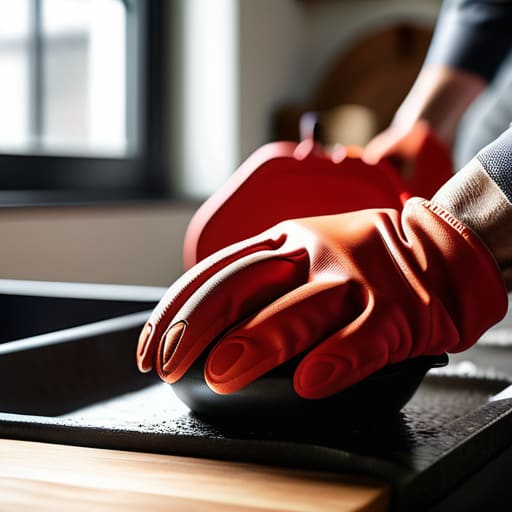
At the end of the day, kitchen safety isn’t about following a checklist of complicated rules; it’s about respecting the heat you’re working with. We’ve talked about why you need to ditch those thin, decorative fabric scraps for heavy-duty, professional-grade insulation and why your technique matters just as much as the gear you hold. Whether it’s checking for moisture inside your mitts to avoid steam burns or making sure your grip is steady before you lift a heavy Dutch oven, these small habits prevent the kind of accidents that sideline you from your kitchen for days. Investing in quality protection means you aren’t constantly worrying about whether your gear will hold up when things get hot.
My philosophy has always been that a functional kitchen is built on reliability. When you stop chasing the latest kitchen gadgets and start focusing on the fundamentals—like having a reliable pair of mitts and the confidence to use them—you create a space where you can actually enjoy the process of cooking. Don’t settle for subpar tools that compromise your safety just because they look good on a social media feed. Build a kitchen that supports your passion, protects your hands, and stands the test of time. After all, the best meals are the ones you can cook with total peace of mind.
Frequently Asked Questions
How can I tell if my current mitts have lost their heat resistance before I actually burn myself?
Don’t wait for a trip to the ER to realize your gear is failing. Grab a standard baking sheet, put it in a 350-degree oven for ten minutes, and then try to grab it with your mitts. If you feel even a hint of warmth through the fabric, or if you find yourself instinctively pulling your hands back, they’re done. Once the insulation thins or the fibers degrade, they’re just a false sense of security.
Is it better to use heavy-duty silicone mitts or traditional thick cotton towels for high-heat tasks like roasting?
If you’re pulling a heavy roast out of a 450-degree oven, skip the thin towels. I’ve seen too many people try to “double up” on kitchen cloths only to have the heat seep through in seconds. Go with heavy-duty silicone mitts for high-heat tasks. They provide a solid thermal barrier and, more importantly, a much better grip on heavy pans. Save the cotton towels for wiping counters or handling lukewarm dishes.
How often should I be replacing my oven protection gear to ensure it’s still safe to use?
Don’t wait for a hole to appear before you toss them. I always tell my clients to inspect their gear every few months. If you notice thinning fabric, scorched spots, or if those silicone grips feel tacky or cracked, it’s time. If you’re a heavy-duty cook using cast iron daily, expect to replace them every year or two. If they don’t feel substantial and protective anymore, they’re just a liability.
