I remember standing in a commercial kitchen during a massive wedding banquet, watching a junior cook pull a tray of roasted vegetables out of the oven only to see the metal buckling and twisting like a piece of wet cardboard. It was a cheap, thin pan that couldn’t handle the heat, and it turned a simple roast into a soggy, uneven mess. That’s the problem with most modern kitchenware; people think a shiny finish means quality, but they completely ignore the baking sheet gauge. If the metal is too thin, you aren’t just losing money—you’re losing the ability to actually cook food properly.
I’m not here to sell you on some high-tech, designer gadget that promises to change your life. My goal is to cut through the marketing fluff and tell you exactly what to look for so you can buy tools that actually last a lifetime. I’ll explain how to read those numbers, why weight matters more than branding, and how to pick a heavy-duty sheet that won’t warp the first time it hits a hot oven. Let’s get your kitchen sorted with gear that works as hard as you do.
Choosing Heavy Duty Baking Pans Over Trendy Flimsy Metal
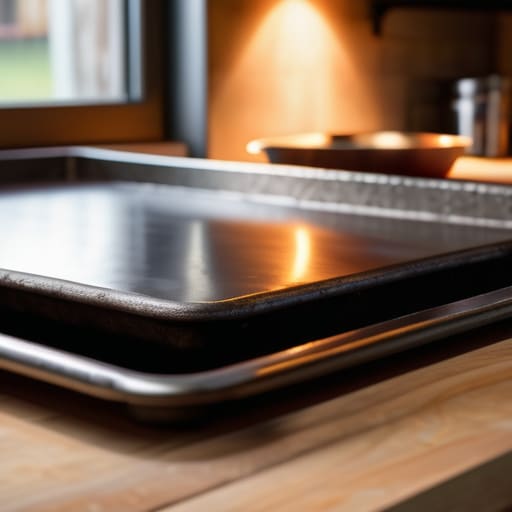
I’ve seen it a thousand times in commercial kitchens: a cook pulls a pan out of the oven, and it’s bowed in the middle like a banana. That’s not just annoying; it’s a sign of a cheap, thin piece of metal that wasn’t built for real work. When you’re shopping, you need to prioritize heavy duty baking pans that have some actual weight to them. Most big-box retailers love selling those lightweight, brightly colored sets because they’re cheap to manufacture, but they’re essentially disposable. If you want a pan that stays flat through years of high heat, you have to look past the pretty packaging.
When comparing aluminum vs steel thickness, I always lean toward heavy-gauge aluminum. It’s the industry standard for a reason—it conducts heat quickly and evenly, which is vital for preventing those burnt bottoms and raw centers. If you invest in commercial grade sheet pans, you aren’t just buying a tool; you’re investing in consistency. A sturdy pan won’t buckle under the temperature shifts, meaning you spend less time fighting your equipment and more time actually enjoying the bake.
The Truth About Aluminum vs Steel Thickness in Your Kitchen
When you’re standing in a kitchen supply aisle, the labels can be incredibly misleading. You’ll see “professional” stamped on a box, but that doesn’t tell you what the metal is actually doing under heat. In my years managing commercial kitchens, I learned that the real debate isn’t just about the material, but the aluminum vs steel thickness and how those metals react to a hot oven. Aluminum is a dream for baking sheet heat distribution because it warms up quickly and evenly, which is why most high-end pastry chefs swear by it. However, if that aluminum is too thin, you’re asking for trouble.
Steel is much tougher and holds its shape better, but it can sometimes create hot spots if it isn’t high quality. If you want to avoid the headache of unevenly browned bottoms, you need to look for heavy duty baking pans that have some actual heft to them. I always tell my clients: if the pan feels like a piece of heavy cardstock, put it back. You want something substantial enough to ensure you’re preventing pan warping every time you pull a batch of cookies out of a 400-degree oven.
Five Rules for Picking Pans That Won't Warp on You
- Stop guessing by feel and start looking at the weight; if a pan feels like a piece of heavy cardstock, it’s going to buckle the second you slide it into a hot oven.
- Prioritize heavy-gauge aluminum over thin steel if you want even heat distribution, but make sure it’s thick enough to hold its shape under the weight of a heavy batch of cookies.
- Avoid pans with those cheap, non-stick coatings that start peeling after six months; a thick, professional-grade rimmed sheet is much more versatile and lasts decades.
- Check the edges for a rolled rim; it’s not just for aesthetics, it actually adds structural integrity to the pan so the sides don’t bow outward when things get hot.
- Stick to standard sizes that actually fit your oven racks—there is no point in buying a high-gauge specialty pan if it’s going to be a constant struggle to slide it in and out.
My Rules for Buying Pans That Actually Last
Forget the cheap, thin sheets from big-box stores; if you can bend them with your hands, they aren’t worth the counter space.
Prioritize heavy-gauge aluminum for consistent heat, because nothing ruins a bake faster than uneven hot spots caused by flimsy metal.
Invest once in professional-grade tools rather than replacing “disposable” pans every six months—your wallet and your cookies will thank you.
Stop Settling for Less
At the end of the day, choosing the right baking sheet gauge isn’t about being a perfectionist; it’s about being smart with your money and your time. I’ve seen too many home cooks struggle with burnt edges or warped pans because they bought a cheap set thinking they were saving a few bucks. By prioritizing a heavy gauge and understanding the difference between aluminum and steel, you’re eliminating the frustration of uneven heat and wasted ingredients. Stick to the heavy-duty stuff that can handle the heat without buckling, and you won’t have to go shopping for replacements every single year.
My advice is simple: stop looking at the flashy packaging and start looking at the weight and the build. A kitchen is an investment, and that starts with the most basic tools you use every single day. When you buy gear that is built to last a lifetime, you’re not just buying metal; you’re buying the peace of mind that your equipment will actually show up for you when it matters most. Invest in quality once, master your technique, and let your tools do the heavy lifting so you can focus on what actually matters—the food and the people you’re feeding.
Frequently Asked Questions
How can I tell if a pan is actually heavy-duty just by looking at it in the store?
When you’re standing in the aisle, don’t just trust the “professional grade” label on the box—that’s marketing fluff. Pick the pan up. If it feels light enough to toss with one hand, put it back. You’re looking for weight and rigidity. Give the edges a gentle flex; if there’s even a hint of give, it’ll warp the first time you crank the oven. A real heavy-duty pan should feel substantial and unyielding.
Is there a specific gauge number I should be looking for if I want to bake cookies without them burning on the bottom?
If you’re tired of those charred cookie bottoms, stop looking at the low numbers. You want a heavy-duty pan, ideally in the 16-gauge range. Anything thinner than that is going to heat up too fast and scorch your dough before the middle is even set. A thicker, heavier gauge provides that steady, even heat distribution I always relied on in commercial kitchens. It’s a bit more weight in your hand, but it’s worth every ounce.
If I invest in thick, heavy pans, will they take much longer to preheat in my oven?
Look, I get the hesitation. You don’t want to be standing there waiting forever for your oven to do its job. But here’s the reality: yes, a heavy-gauge pan takes a minute or two longer to heat up than a piece of flimsy tin, but that’s actually a good thing. That extra mass provides even heat distribution and prevents those dreaded hot spots. It’s a small price to pay for consistent results and a pan that won’t warp.
