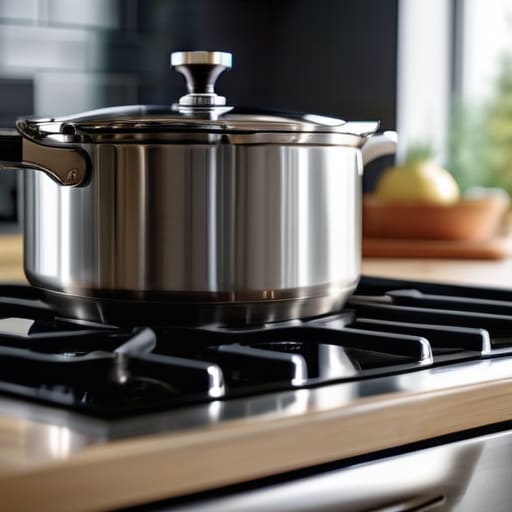
I still remember the frantic, heavy hiss of a commercial pressure cooker during a Saturday night rush at the catering hall where I spent my twenties. It was a sound that commanded respect, but one night, a junior prep cook ignored a faulty seal because he was in a hurry, and the resulting steam release was enough to send us all scrambling for the exits. That moment taught me that pressure cooker safety isn’t about reading a twenty-page manual written by a lawyer; it’s about developing a gut instinct for your equipment and never, ever cutting corners when the heat is on.
I’m not here to sell you on some high-tech, gadget-heavy smart cooker that requires a Wi-Fi connection just to boil a potato. My goal is to give you the straight talk on how to handle the tools you actually own. I’m going to walk you through the essential checks, the red flags to watch for, and the habits that will keep your kitchen functional and your family safe. We’re going to focus on reliable, lifelong habits rather than trendy gimmicks, ensuring your kitchen remains a place of creation rather than a source of stress.
Table of Contents
Mastering Sealing Ring Maintenance for Longevity
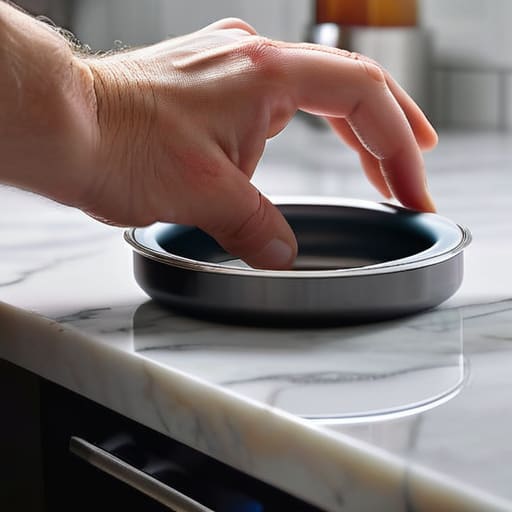
If you ask me, the sealing ring is the most overlooked component in your entire kitchen, yet it’s the heartbeat of the whole operation. Over time, that silicone ring gets brittle or develops tiny cracks from the heat, and once that happens, you’re asking for trouble. Proper sealing ring maintenance isn’t just about keeping things clean; it’s about ensuring the unit actually holds the pressure it’s designed to hold. I always tell my clients to pull the ring out after every single use. If you leave food residue tucked in the crevices, it’ll eventually harden and compromise the seal.
When you’re performing your weekly pressure cooker troubleshooting, give the ring a quick inspection. Run your thumb along the edge to feel for any nicks or loss of elasticity. If it feels gummy or looks discolored, toss it and buy a replacement immediately. A faulty ring is often the culprit behind a weak steam release, and ignoring it is a shortcut to frustration. Don’t wait for a leak to tell you it’s time for a new one; stay ahead of the wear and tear so you can cook with total confidence.
Checking Pressure Cooker Valves Before Every Use

Before you even think about turning that heat on, you need to get eyes on your valves. I’ve seen too many people treat the lid like a “set it and forget it” piece of hardware, but that’s a mistake. Start with the weight or the manual release valve. If there is any old food residue or dried starch stuck in the mechanism, it won’t move when it’s supposed to. This is a fundamental part of checking pressure cooker valves; a single crusty bit of potato can cause the whole system to malfunction.
Next, take a moment to inspect the vent pipe itself. Use a small brush or even a toothpick to ensure there’s nothing obstructing the flow. If that path is blocked, you aren’t just looking at a failed meal—you’re looking at a dangerous buildup of internal force. Mastering these small habits is the cornerstone of safe pressure cooking techniques. Don’t rush this step. A thirty-second inspection is a small price to pay for the peace of mind that your kitchen stays a workspace, not a hazard zone.
Five Rules to Keep Your Kitchen Safe and Your Sanity Intact
- Never, under any circumstances, attempt to force that lid open once the pressure has built up. I’ve seen people try to “cheat” a little time by forcing a seal, and that’s exactly how you end up with a face full of scalding liquid. If the pin hasn’t dropped, the pot isn’t ready.
- Watch your liquid levels like a hawk. A pressure cooker needs moisture to create steam, but if you go overboard with thick stews or sauces without enough base liquid, you risk scorching the bottom. A burnt pot can clog your steam vent, and that’s a recipe for a dangerous pressure buildup.
- Keep an eye on your food volume. It’s tempting to pack that pot to the brim because you’re feeding a crowd, but you can never fill a pressure cooker more than two-thirds full—and if you’re cooking something that foams, like beans or grains, keep it to half. You need that headspace so the foam doesn’t plug the valve.
- Stop treating the steam release valve like a toy. When you’re performing a manual pressure release, use a long utensil or a heavy oven mitt to move that lever. Do not put your hands directly over the vent; that steam is much hotter than you think, and it will burn you instantly.
- Inspect the body of the pot for any dents or cracks every single time you pull it out of the cupboard. If the metal is compromised or the base isn’t sitting perfectly flat, it’s not a tool anymore—it’s a liability. I’d rather spend money on a new pot than deal with a structural failure mid-meal.
The Bottom Line on Keeping Your Kitchen Safe
Never let a worn-out gasket or a clogged valve slide; if the seal isn’t perfect, the tool isn’t safe, and it’s cheaper to replace a ring than to deal with a kitchen disaster.
Treat your pressure cooker with the same respect you’d give a commercial stove—always double-check your steam release and never force the lid when the pressure is still working its magic.
Stop looking for shortcuts and start building habits; consistent, boring safety checks are the only way to ensure your gear stays a helpful tool rather than a dangerous liability.
Respect the Steam
A pressure cooker is one of the most efficient tools in a working kitchen, but it’s also one of the most unforgiving; if you treat it like a mindless gadget instead of a piece of heavy-duty equipment, it’ll stop being a help and start being a hazard.
Rosalind Hayter
Respect the Steam, Master the Machine
At the end of the day, keeping a pressure cooker safe isn’t about memorizing a manual; it’s about developing a rhythm of respect for the equipment. We’ve talked about the essentials: keeping that sealing ring clean and supple so it doesn’t fail you mid-simmer, and making it a non-negotiable habit to inspect your valves every single time you reach for the pot. If you take care of the small mechanical details—the gaskets, the steam release, and the lid seals—your cooker will serve you for decades. Don’t let a bit of dried starch or a clogged vent be the reason a meal turns into a mess. Consistency is your best safety feature.
I know it can feel like a lot of extra steps when you’re just hungry and ready to get cooking, but a kitchen is only as good as the confidence you have while standing in it. I’ve seen too many people get intimidated by high-pressure gear, but once you master these basics, that fear turns into true culinary freedom. You aren’t just managing a piece of metal; you are mastering a tool that can transform tough cuts of meat and dried beans in a fraction of the time. Buy the good gear, maintain it with pride, and let the tools work for you. Now, go make something delicious.
Frequently Asked Questions
How do I know if my pressure cooker lid is actually compromised or if it’s just a worn-out gasket?
It’s a common point of confusion, but here’s the rule of thumb: if you’re seeing steam escaping from the sides of the lid, it’s almost certainly a worn-out gasket. Silicone loses its elasticity over time and just won’t create that airtight seal anymore. However, if you notice any warping in the metal, cracks in the lid itself, or if the locking mechanism feels loose or won’t catch properly, that’s a compromised lid. Replace the lid immediately; a gasket is a cheap fix, but a faulty lid is a hazard.
Is it actually dangerous to use a pressure cooker if I'm cooking high-starch foods like beans or rice?
It’s not inherently “dangerous,” but it is risky if you’re careless. High-starch foods like beans, rice, or pasta create a thick, bubbly foam when they boil. That foam can clog your pressure release valve, which is exactly how you end up with a dangerous situation. My rule of thumb? Never fill your pot more than halfway for these items, and always use a bit more liquid than the recipe calls for to prevent that starchy sludge from rising.
When it comes to cleaning, are there specific soaps or methods that might accidentally damage the safety valves?
Keep it simple: stick to mild, unscented dish soap and warm water. I’ve seen people use heavy-duty degreasers or abrasive scouring pads to get at those valves, and that’s a mistake. Harsh chemicals can degrade the silicone seals, and abrasives can create tiny nicks in the metal that lead to leaks. If you have buildup, use a soft brush or a toothpick to gently clear the vent. Respect the precision of those parts.
