I remember one chaotic Saturday night during my years managing large-scale catering events when I reached for what I thought was a standard colander, only to realize I’d grabbed a tiny mesh strainer instead. I was trying to drain a massive pot of pasta, and watching that lightweight little thing wobble and tilt under the weight was a total disaster. It’s one of those small, frustrating moments that makes you realize how much clutter we actually keep in our cabinets. Most people end up staring at their junk drawer, paralyzed by the colander vs strainer debate, wondering if they actually need both or if they’re just being sold more unnecessary metal.
Look, I’m not here to sell you on some fancy, multi-piece gadget set from a late-night infomercial. My goal is to help you strip away the noise and figure out exactly which tool serves your specific cooking style. I’m going to give you the straight truth based on twenty years in professional kitchens: when to use heavy-duty drainage and when you need fine precision. We’re going to focus on durability and function, ensuring you only buy the pieces that will actually earn their spot on your counter for the next thirty years.
Table of Contents
The Colander
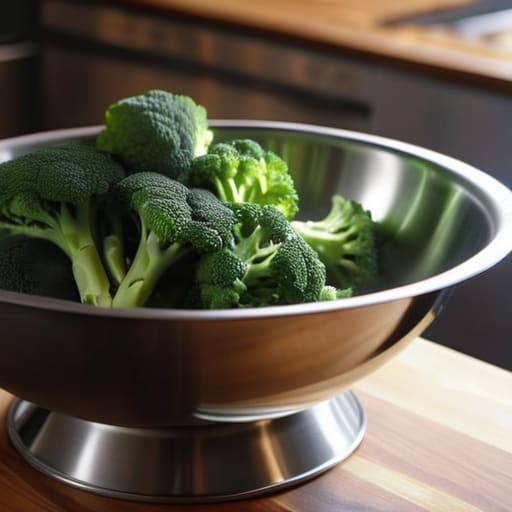
A colander is a large, bowl-shaped vessel characterized by relatively large holes designed for draining liquids from bulky solids. Its core mechanism relies on these wide apertures to allow water to pass through quickly while keeping items like pasta, potatoes, or washed vegetables securely inside. When you are looking at the colander vs strainer debate, the colander is your heavy-duty workhorse for high-volume draining.
In my years managing commercial kitchens, I saw too many home cooks struggle with tiny, flimsy tools when they should have been using something with actual substance. There is nothing more frustrating than trying to drain a massive pot of boiling spaghetti only to have your tiny gadget overflow or tip over. You need a sturdy colander that sits firmly in the sink, giving you the stability to handle heavy loads without the fear of a kitchen mishap. It’s about having the right scale for the task at hand so you aren’t fighting your equipment every single time you boil water.
The Strainer

A strainer, often referred to as a fine-mesh strainer, is a tool featuring a tight, woven wire grid designed to separate even the smallest particles from liquids. The primary selling point of this tool is its precision, allowing it to capture tiny grains, herbs, or sediment that a larger vessel would simply miss. In the context of a colander vs strainer comparison, this is the tool you reach for when finesse and clarity are the priority.
I often tell my clients that if you want to elevate your cooking from “fine” to “professional,” you have to stop treating every draining task the same way. I’ve spent many afternoons using a fine mesh strainer to sift flour or to catch stray tea leaves, and it makes a world of difference in the final texture of a dish. If you try to use a chunky colander to rinse delicate quinoa or to strain a homemade stock, you’re going to end up with a grainy, messy result. It’s a small tool, but it’s an essential one for anyone who actually cares about the integrity of their ingredients.
Kitchen Tool Comparison
| Feature | Colander | Strainer |
|---|---|---|
| Primary Design | Large bowl with large holes | Fine mesh basket |
| Best For | Draining pasta and washing large vegetables | Sifting flour or rinsing small grains |
| Key Feature | Sturdy base or handles for heavy loads | Fine filtration for small particles |
| Water Flow | Rapid drainage | Slow, controlled drainage |
| Material | Typically stainless steel or plastic | Typically fine wire mesh |
| Size Capacity | Large volume | Small to medium volume |
Why a Mesh Sieve vs Colander Matters for Your Cooking
If you can’t tell the difference between a mesh sieve and a colander, you’re going to end up frustrated mid-recipe. It’s not just about semantics; it’s about controlling the texture of what you’re making. Using the wrong one is like trying to paint a fine portrait with a house-painting brush—you might get the job done, but the result will be a mess.
A colander is your heavy lifter. It’s built for volume and speed, perfect for dumping a pot of pasta or rinsing a pound of potatoes. Because the holes are larger, the water drains quickly, but it won’t catch the small stuff. On the other hand, a fine-mesh sieve is all about precision. If you’re trying to sift flour or strain a delicate sauce to remove tiny bits of herb, a colander will leave you with a gritty, unappealing texture.
When it comes to technical accuracy, the mesh sieve wins every single time. While the colander handles the bulk work, the sieve is what actually allows you to achieve professional-grade results in your home kitchen.
Mastering the Art of Straining Liquids vs Solids
If you can’t tell the difference between separating pasta from water and clarifying a delicate sauce, you’re going to end up frustrated mid-service. It isn’t just about getting the food out of the pot; it’s about controlling the texture of what you’re serving. Using the wrong tool can turn a smooth gravy into a gritty mess or leave you fighting with tiny bits of vegetable stuck in your sink drain.
A colander is your heavy lifter for the big stuff. When I was managing banquet kitchens, we used them for everything from draining pounds of boiled potatoes to rinsing large batches of greens. They are designed for volume and speed, letting water rush through those large holes so you aren’t standing there for ten minutes waiting for a pot of pasta to dry.
A fine mesh strainer, however, is all about precision. You use this when you need to catch the tiny particles—the herb bits, the spice clumps, or the sediment in a stock. If you try to use a colander for a sauce, you’ll be serving a grainy disaster; if you try to use a small strainer for a mountain of pasta, you’ll lose your patience before the water even drains.
For this specific task, there isn’t a single winner, but if I have to choose: the colander wins for solids, while the strainer wins for liquids.
My No-Nonsense Rules for Your Kitchen Drawer
Stop buying “all-in-one” sets that use cheap plastic; invest in one heavy-duty stainless steel colander for your pasta and one fine mesh strainer for your sauces, and you’ll never have to replace them.
Match the tool to the task—if you’re draining bulky vegetables, go with the colander, but if you’re trying to remove seeds or lumps, a mesh strainer is your only real option.
Space is a premium, so don’t clutter your cabinets with specialty gadgets; a high-quality, versatile strainer and a sturdy colander are the only two things you actually need to handle almost any recipe.
## Stop Guessing, Start Selecting
“I’ve seen too many people clutter their drawers with every plastic gadget under the sun, only to realize they can’t actually drain pasta or sift flour properly because they didn’t understand the fundamental difference between a colander and a strainer. Invest in the right tool for the specific task, or you’re just buying expensive clutter.”
Rosalind Hayter
Making the Right Choice for Your Kitchen
At the end of the day, you don’t need a drawer full of specialized gadgets to be a competent cook; you just need to understand the physics of what you’re making. If you are dealing with heavy pasta or bulky vegetables, reach for the sturdy colander that won’t buckle under the weight. If you are trying to clarify a broth or sift flour, that fine mesh strainer is your best friend. Stop trying to force one tool to do the work of the other. When you match the right tool to the specific task, you stop fighting your equipment and start actually enjoying the process of preparing a meal.
My advice is simple: invest in a few pieces of high-quality stainless steel that you can pass down, rather than a dozen cheap plastic versions that will end up in a landfill by next year. A well-organized kitchen isn’t about having the most expensive gear; it’s about having the right gear within arm’s reach when you need it. Focus on functional longevity and let the rest go. Build your kitchen around your habits, keep your tools clean, and remember that the best ingredient you can ever bring to the table is a bit of confidence in your own setup.
Frequently Asked Questions
Can I get away with using a colander for everything, or am I eventually going to hit a wall where I absolutely need a fine mesh strainer?
You can get away with it for a while, but eventually, you’ll hit a wall. If you’re just draining pasta or rinsing heavy vegetables, a colander is your best friend. But the moment you try to strain a delicate sauce, sift flour, or rinse quinoa, you’re going to be frustrated. You’ll end up with bits of grit or clumps in your food. If you want to cook properly, you need both.
What should I look for in terms of material to ensure these tools actually last me a decade instead of ending up in a landfill?
If you want tools that survive a decade, steer clear of anything with plastic components or thin, stamped metal that bends under pressure. I always look for heavy-duty stainless steel—it’s non-reactive, dishwasher safe, and won’t rust. For strainers, ensure the mesh is tightly woven and welded to the frame, not just glued. If it feels flimsy or lightweight in your hand, it’s probably junk. Buy weight and quality; it’s cheaper in the long run.
Is there a way to store these without them taking up half my cabinet space, especially since they're such different shapes?
I hear you. Those bulky colanders are notorious cabinet hogs. My rule of thumb: don’t store them as separate, lonely items. Nest your mesh strainers inside the colander to save a massive amount of footprint. If you have a deep drawer, stand the colander upright; if you’re using upper cabinets, hang them from a small tension rod or a S-hook on a rail. Stop letting empty air take up your prime real estate.
