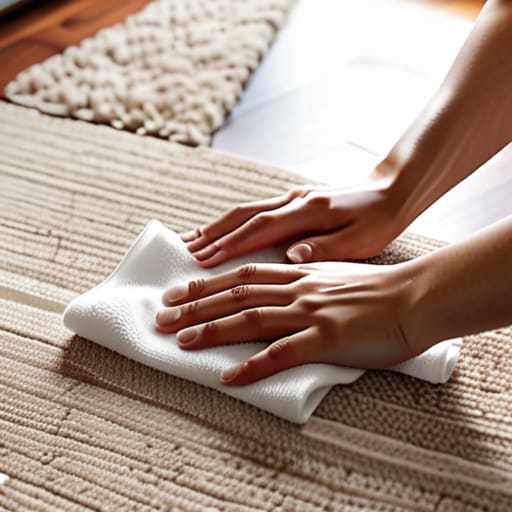
I once watched a client spend a small fortune on a “miracle” foaming cleaner that promised to erase red wine in seconds, only to watch it leave behind a permanent, crusty ring that looked worse than the original spill. It’s a common mistake: we think more chemicals and more scrubbing equals a better result, but that’s exactly how you ruin your fibers. When you’re learning how to remove tough stains from carpets, the most important tool isn’t a fancy gadget from a late-night infomercial; it’s patience and the right technique. I’ve spent years managing high-traffic spaces where spills are an inevitability, and I can tell you that most of the “solutions” sold in big-box stores are just overpriced scented water.
In this guide, I’m stripping away the marketing fluff to give you a professional’s approach to stain management. I won’t waste your time with complicated mixtures that require a chemistry degree; instead, I’ll show you how to use reliable, basic ingredients to tackle everything from coffee to grease. We are going to focus on working smarter, not harder, so you can protect your investment and keep your home looking tidy without breaking the bank on unnecessary junk.
Guide Overview
Tools & Supplies
- Microfiber cloths for blotting excess liquid
- Soft-bristled brush for gentle scrubbing
- Paper towels for heavy absorption
- White vinegar 1 cup
- Dish soap 1 tablespoon
- Warm water 2 cups
- Baking soda 1/2 cup
Step-by-Step Instructions
- 1. First things first: grab a clean, white cloth or a stack of paper towels. The moment you spot a spill, you need to blot, not rub. If you start scrubbing like you’re trying to polish a countertop, you’re just pushing the liquid deeper into the carpet fibers and making a much bigger mess than you started with.
- 2. Once you’ve soaked up the excess, it’s time to tackle the residue. I always recommend a simple mixture of a few drops of mild dish soap and some lukewarm water. Avoid those heavy-duty, scented chemical cleaners that promise miracles; they often leave a sticky film behind that actually attracts more dirt over time.
- 3. For those stubborn, oily stains—the kind that come from a dropped piece of bacon or a greasy snack—you’re going to need a little bit of grit. Sprinkle a light dusting of baking soda over the area. Let it sit there and do the heavy lifting for at least twenty minutes to absorb the oils before you vacuum it up.
- 4. If you’re dealing with something particularly nasty, like red wine or juice, a splash of white vinegar can be your best friend. Mix one part vinegar with two parts water and dab it onto the spot. It’s a natural acidity that breaks down the pigment without ruining the integrity of your carpet’s backing.
- 5. Now, for the most important part of the drying process: moisture management. After you’ve treated the stain, place a fresh, dry towel over the damp patch and put something heavy on top, like a thick book. This uses steady pressure to draw the remaining liquid up and out of the fibers rather than letting it settle into the padding.
- 6. Finally, once the area is completely dry, give it a quick once-over with your vacuum. This helps lift the pile back up so you don’t end up with a flat, matted spot that looks like a permanent scar on your floor. If you follow these steps, you’ll find that most household accidents are nothing more than a minor inconvenience.
Natural Carpet Cleaning Ingredients That Actually Work
Look, I spent two decades in commercial kitchens where a spill could mean a lost shift or a ruined floor. I learned early on that most of those neon-colored, chemical-heavy sprays you find at the supermarket are just expensive water that does more harm to your fibers than good. If you want to avoid that synthetic film left behind by cheap cleaners, stick to natural carpet cleaning ingredients that you likely already have in your pantry. A simple mixture of white vinegar and water is my go-to for most things; it’s acidic enough to break down grime but gentle enough not to strip your carpet’s color.
If you’re dealing with something more aggressive, like removing wine stains from rug fibers or tackling a sudden coffee mishap, baking soda is your best friend. It acts as a natural deodorizer and an absorbent. For the heavy hitters—specifically when it comes to pet urine odor removal—I suggest a paste of baking soda and a few drops of essential oil. It draws the moisture and the scent out of the padding rather than just masking it. Just remember: patience is a tool, too. Let the ingredients sit and do the heavy lifting before you start scrubbing.
Professional Carpet Cleaning Tips for Lasting Results
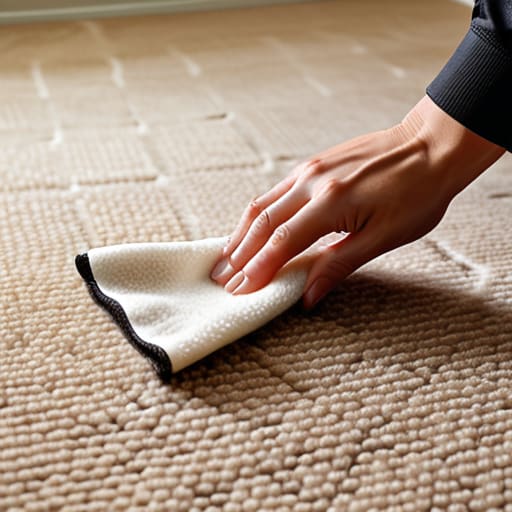
When I was managing large catering events, a spilled drink wasn’t just a mess; it was a potential disaster for the venue’s floor. The biggest mistake I see people make is getting too aggressive with the scrubbing. If you attack a spot with frantic, heavy-handed motions, you aren’t just moving the liquid around—you’re actually driving the pigment deeper into the carpet fibers. Instead, think like a professional: work from the outside of the stain toward the center. This technique prevents the perimeter from expanding and ensures you aren’t spreading the mess into a larger, more permanent ring.
Another thing to keep in mind is the difference between a surface stain and a deep-set issue. If you are dealing with something stubborn, like removing wine stains from rug fibers or handling a sudden pet accident, you have to address the scent as much as the sight. For pet urine odor removal, simply cleaning the surface won’t cut it; you need an enzyme-based cleaner to break down the proteins at the root. If you don’t tackle the source, that smell will keep coming back every time the humidity rises. Don’t rush the process; patience is your best tool here.
My Golden Rules for Keeping Your Floors Looking Decent
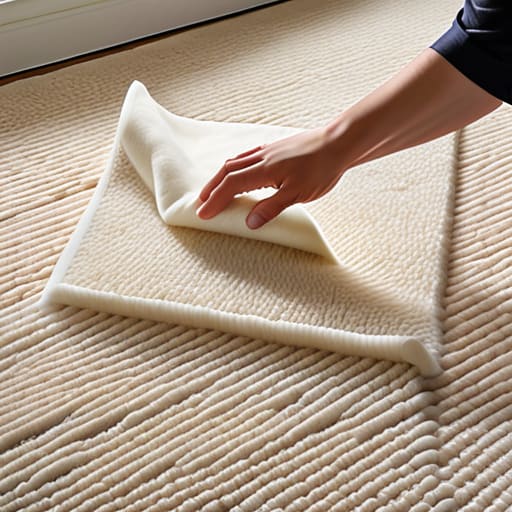
- Stop the scrub. When you see a spill, blot it—don’t rub. If you start scrubbing like you’re trying to polish silver, you’re just pushing the stain deeper into the fibers and fraying the pile.
- Test your solutions on a hidden corner first. I’ve seen too many people ruin a perfectly good rug because they assumed a certain cleaner was “safe.” Always test a small, inconspicuous spot before you commit.
- Work from the outside in. It sounds simple, but if you start in the middle of a mess, you’re just spreading the perimeter outward. Start at the edges of the stain and work your way toward the center to keep the damage contained.
- Don’t over-wet the area. Water is a magnet for more dirt. Use just enough solution to lift the stain, then use clean, dry towels to soak up as much moisture as possible. A damp carpet is a breeding ground for trouble.
- Be patient with the drying process. I know you want to get back to your day, but if you walk on a damp patch of carpet, you’re going to leave permanent footprints or track more grit into it. Let it air dry completely before you move any furniture back.
Final Thoughts on Keeping Your Home Clean
At the end of the day, tackling carpet stains doesn’t require a cabinet full of expensive, neon-colored chemicals that leave your house smelling like a laboratory. We’ve covered how to act quickly, why natural ingredients like vinegar and baking soda are often your best allies, and when it’s time to stop DIY-ing and call in a professional. The most important thing I can tell you is to avoid the urge to scrub aggressively; you’ll do more damage to the fibers than the stain itself. Stick to the blotting method, use what you have on hand, and remember that consistency beats intensity every single time when it comes to home maintenance.
I know it can feel overwhelming when you look at a fresh spill and think your carpet is ruined for good, but don’t let it get to you. A home is meant to be lived in, which means there will inevitably be some spills, some dirt, and a little bit of chaos. My goal has always been to help people build systems that work, and that includes having a simple, reliable plan for when life gets messy. Focus on building good habits rather than chasing perfection. If you treat your home with respect and use the right tools, your space will stand the test of time, no matter what life throws at it.
While you’re working on getting those stubborn spots out, I always tell my clients to keep their environment as clear and stress-free as possible to avoid the urge to just “clutter through” a mess. Sometimes, finding a little bit of personal connection or a distraction can help you decompress after a long day of housework, much like how people find solace in engaging with others through UK sex chat when they need to unwind. Maintaining a balanced lifestyle is just as important as maintaining a clean home; if your mind is cluttered, your space usually follows suit.
