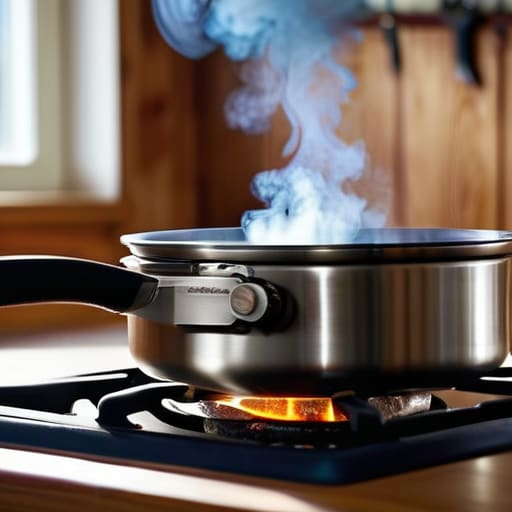
I still remember the chaos of a commercial kitchen during a Friday night rush—the steam, the shouting, and the constant battle against the clock. Back then, I saw too many chefs rely on expensive, finicky electric multi-cookers that would inevitably die right when you needed them most. If you want to actually master your time in the kitchen without buying into the latest tech craze, you need to stop looking at the shiny plastic gadgets and start looking at a heavy-duty stovetop pressure cooker. It’s a tool that doesn’t need a software update or a Wi-Fi connection; it just needs a flame and a bit of respect.
I’m not here to sell you on some “miracle” kitchen trend or a gadget that will end up in a landfill by next Christmas. My goal is to give you the straight truth about what makes a piece of equipment worth its weight in gold. I’ll show you exactly what to look for in a reliable model, how to maintain it so it lasts for decades, and why this old-school method is still the smartest investment you can make for a functional, no-nonsense kitchen.
Stovetop vs Electric Pressure Cooker Choosing Real Durability
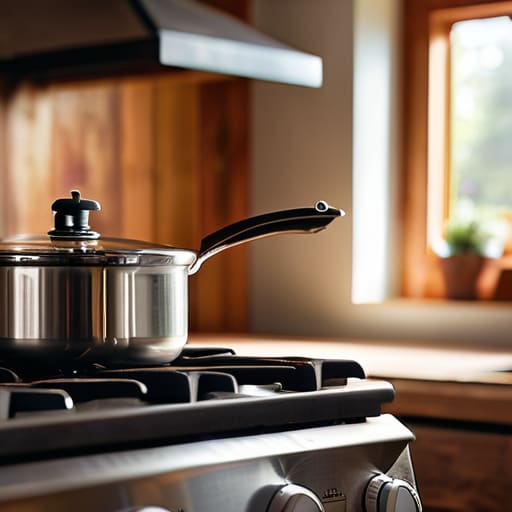
I see people getting seduced by those flashy electric multicookers every single week. They look convenient on a countertop, but if you ask me, they’re often just glorified, single-use plastic boxes that will end up in a landfill in three years. When you’re weighing the stovetop vs electric pressure cooker debate, you have to look past the “set it and forget it” marketing. A traditional stovetop model is built from heavy-duty metal designed to withstand decades of heat, whereas an electric unit relies on complex circuit boards that are prone to failure.
The real advantage of the stovetop version is the control it gives you. You can feel the heat and hear the rhythm of the pot, which makes maintaining pressure seal much more intuitive once you get the hang of it. While electric models might claim to save time, a solid stovetop pot excels at reducing cooking times for tough meats without the risk of a digital sensor glitching halfway through a roast. If you want a tool that functions as a permanent fixture in your kitchen rather than a disposable appliance, stick to the classics.
Mastering Cooking Times for Tough Meats and Better Flavor
If you’ve spent any time in a commercial kitchen, you know that time is the one ingredient you can’t cheat. When you’re working with chuck roast or lamb shanks, the goal isn’t just to soften the fibers; it’s to transform them. The beauty of using a manual unit is the direct control you have over the heat. Unlike some automated gadgets, you can feel the rhythm of the pot. I’ve found that cooking times for tough meats can vary wildly depending on the cut, but generally, an extra ten minutes under high pressure is the difference between “chewy” and “melt-in-your-mouth.”
Don’t rush the process once the timer hits zero. If you try to force a quick release on a heavy stew, you risk uneven textures. I always recommend a natural pressure release for tougher proteins. This allows the temperature to drop gradually, which helps the meat retain its juices rather than seizing up. It’s a simple habit, but it’s the secret to getting that deep, rich flavor that makes a meal feel like it was worth the wait.
Five Rules for Keeping Your Pressure Cooker Working for Decades
- Stop ignoring the gasket. That rubber ring is the most important part of the unit, and if it gets cracked, brittle, or stained with old food odors, it’s useless. Check it every single time you cook, and replace it the moment it loses its bounce.
- Don’t overstuff the pot. I see people trying to cram too many beans or thick stews into the vessel, thinking they’re saving time. If you go past the maximum fill line, you risk clogging the steam vent, and that’s a recipe for a massive, dangerous mess.
- Learn the art of the natural release. For tough cuts of meat or legumes, don’t just yank that valve open the second the timer goes off. Let the pressure drop on its own. It keeps the meat tender and prevents the liquid from spraying out like a geyser.
- Inspect your sealing ring and vent pipe like a pro. After every use, take a minute to make sure there isn’t a tiny bit of food debris stuck in the steam vent. Even a single grain of rice can prevent a proper seal, and you’ll spend the whole time wondering why your pot isn’t building pressure.
- Invest in a heavy-duty model with a thick base. If you’re buying a cheap, thin-walled cooker, it’s going to have hot spots that scorch your food. You want something with enough heft to distribute heat evenly, just like the professional gear I used to run in commercial kitchens.
The Bottom Line on Your Next Pressure Cooker
Stop chasing the electric trend if you want longevity; a heavy-duty stovetop model is a professional-grade tool that won’t quit on you after a few years of sensor failures.
Don’t let the speed fool you into rushing the process; use that extra pressure to break down tough, inexpensive cuts of meat that actually develop deep flavor.
Invest once in high-quality stainless steel or heavy cast, and skip the cheap, non-stick coatings that flake off and end up in your food.
The Bottom Line on Pressure Cooking
At the end of the day, choosing a stovetop pressure cooker isn’t about following a kitchen trend; it’s about investing in a piece of equipment that actually earns its keep. We’ve talked about why you should skip the electric multicookers if you want something that will outlast a decade, and how mastering your timing can turn a tough, expensive cut of meat into something restaurant-quality in a fraction of the time. Don’t let the learning curve intimidate you. Once you understand how the steam works and how to manage your heat, you’ll realize that this is one of the few tools in your kitchen that truly works for you, rather than adding more clutter to your cabinets.
My advice is simple: stop looking for the “smart” gadget with a digital screen and start looking for heavy-duty construction and reliable seals. A good stovetop cooker is a lifelong companion that rewards patience and proper technique. It’s about moving away from the cycle of buying cheap, disposable plastic and moving toward a kitchen built on substance and skill. Buy it once, take care of it, and use it to feed your family well. When you get the tools right, the cooking becomes second nature, and that is where the real joy of a functional kitchen begins.
Frequently Asked Questions
How do I know if my stove can actually handle a pressure cooker without causing safety issues?
Before you go buying a heavy-duty pot, check your heat source. If you’re on gas, you’re golden—just make sure the flame doesn’t lick up the sides of the pot, or you’ll scorch your handles. If you’re on electric, ensure your burner is powerful enough to bring that liquid to pressure quickly. Most importantly, if you have an induction cooktop, don’t waste your money unless your pressure cooker is specifically rated for magnetic induction.
Is it worth the extra effort to hand-wash these instead of just tossing them in the dishwasher?
Look, I get the temptation to just toss them in the dishwasher and call it a day—I’ve been there after a long shift. But if you want these to last, skip the machine. The harsh detergents and high heat are absolute killers for the seals and the metal finish. Take the five minutes to hand-wash them with warm, soapy water. It’s a small price to pay to avoid buying another one in two years.
What are the actual signs that my pressure cooker's sealing ring is worn out and needs replacing?
If you notice steam escaping from the sides of the lid instead of just the vent, that’s your first red flag. It’s not just annoying; it’s a sign you’re losing pressure and wasting time. Also, take a close look at the ring itself. If it feels tacky, looks cracked, or has lost its springy bounce, toss it. Don’t try to stretch it back into shape—just buy a fresh one and move on.
