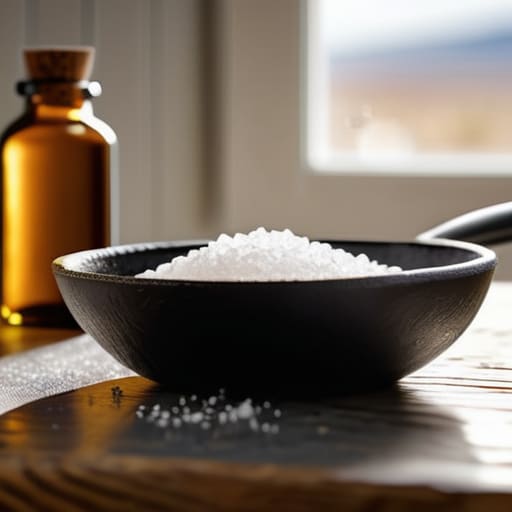
I spent two decades in commercial kitchens where efficiency was everything, and if there is one thing that drives me up the wall, it’s watching people spend fifty dollars on some “designer” non-stick pan that will be peeling and useless in six months. I’ve seen it a thousand times: people cluttering their cabinets with expensive, fragile junk when they could have just bought one reliable cast iron skillet and called it a day. You don’t need a drawer full of gadgets to cook a decent meal; you just need tools that actually work and have the decency to last longer than a single season.
I’m not here to sell you on some complicated, high-maintenance myth or tell you that you need a chemistry degree to maintain your cookware. My goal is to give you the straight truth based on years of professional catering and my own obsession with restoring old metal. I’m going to show you how to select a real piece of equipment, how to maintain it without the drama, and why it is the only investment your kitchen truly needs. Let’s cut through the marketing noise and get back to basics.
Cast Iron vs Stainless Steel Investing in Tools That Endure
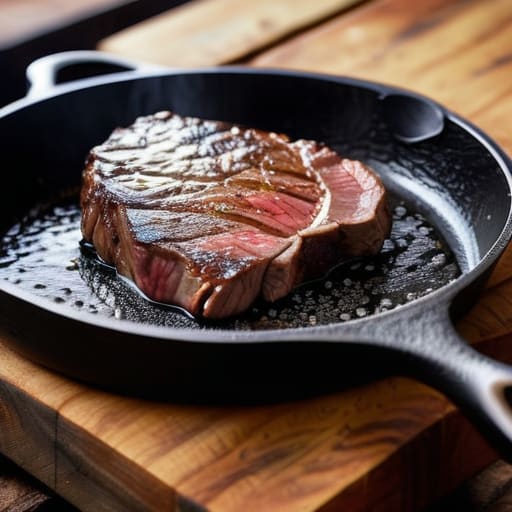
I’ve spent enough time in commercial kitchens to see both sides of this debate, and frankly, it isn’t about which one is “better”—it’s about knowing what job you’re hiring the tool to do. Stainless steel is my go-to for acidic sauces or when I need to deglaze a pan to make a quick pan sauce; it’s predictable and easy to clean. However, if you want that deep, crusty sear on a steak or a perfect cornbread, stainless steel simply won’t cut it. This is where the debate of cast iron vs stainless steel usually settles: one is for precision and acidity, while the other is for heat retention and soul.
The real difference lies in how they handle heat. When you’re cooking with heavy cookware, you’re investing in thermal mass. A heavy pan doesn’t drop in temperature the second you toss in a cold piece of meat, which is the secret to a professional-grade sear. While stainless requires a bit more finesse to prevent sticking, a well-maintained piece of iron offers a natural, seasoned surface that becomes more reliable every single year. Don’t view them as competitors; view them as two different specialists in your arsenal.
The Art of Non Stick Surface Creation for a Lifetime of Use
Look, I see it all the time: people buy a beautiful piece of seasoned metal, cook one batch of eggs, and then toss it in the sink because it stuck. That’s not a failure of the pan; it’s a failure of technique. Real non-stick surface creation isn’t a one-time event that happens at the factory; it is a continuous relationship between you and your cookware. You are building a layer of polymerized oil, one meal at a time, that turns that raw metal into a slick, reliable tool.
The secret isn’t some magic spray; it’s patience and heat management. You have to master the art of preheating cast iron before you even think about adding fat or food. If you drop an egg into a cold pan, you’ve already lost the battle. I always tell my clients to use a high-smoke point fat—think grapeseed or avocado oil—to build that foundation. If you treat the seasoning with respect and avoid the temptation to soak it in the sink, that surface will only get better with age.
Five Rules for Living with Cast Iron (Without the Drama)
- Stop the soap debate once and for all. You don’t need to scrub it with harsh chemicals, but a little mild dish soap won’t kill your seasoning like the internet trolls claim. Just avoid the dishwasher—that’s where good pans go to die.
- Dry it immediately. Water is the enemy of everything I stand for. After washing, put that skillet back on a warm burner for a minute to evaporate every drop of moisture before you even think about applying a thin layer of oil.
- Learn the “Low and Slow” method. Cast iron holds heat like a beast, which is its greatest strength and its biggest trap. If you crank the heat to high right away, you’ll scorch your food and your seasoning in one go.
- Use it often, especially for fats. The best way to build a non-stick surface isn’t through some fancy spray; it’s by actually cooking. Searing a steak or frying some bacon helps bake that layer of polymerized oil into the metal.
- Keep your seasoning tools simple. You don’t need a cabinet full of specialized oils. A high-smoke-point oil like grapeseed or even a bit of flaxseed oil works perfectly for maintenance. Skip the fancy infused oils for seasoning; they just leave a sticky mess.
The Bottom Line on Your Cast Iron
Stop chasing the latest non-stick coating; a well-seasoned cast iron skillet will outlast every piece of “trendy” plastic in your cupboard.
Don’t be afraid of the maintenance—learning to clean and oil your pan isn’t a chore, it’s an investment in a tool that works harder every time you use it.
Focus on quality over quantity; you don’t need a dozen specialty pans when one heavy-duty skillet can handle everything from searing steaks to baking cornbread.
The Last Skillet You’ll Ever Buy
At the end of the day, choosing cast iron isn’t about following some culinary trend; it’s about making a smart, long-term decision for your kitchen. We’ve looked at why this heavy hitter beats out stainless steel for heat retention and how a proper seasoning routine is the secret to a surface that actually performs. If you stop treating your cookware like it’s disposable and start treating it like an investment, you won’t find yourself replacing a cracked non-stick pan every two years. Remember, a well-maintained skillet isn’t just a tool—it is a functional cornerstone of a kitchen that actually works for you.
I know it can feel intimidating to step away from the convenience of modern, flimsy gadgets, but I promise the effort is worth it. There is a certain kind of quiet satisfaction that comes from pulling a seasoned pan out of the cupboard, knowing it has been through a thousand meals and is ready for a thousand more. Don’t aim for a perfect, Instagram-ready kitchen; aim for a reliable one. Grab a real piece of iron, get it hot, and start building the habits that turn a simple tool into a lifetime companion. Happy cooking.
Frequently Asked Questions
Do I really need to avoid soap when cleaning it, or is that just an old wives' tale?
It’s a bit of both. The old rule was that soap would strip away your seasoning, but modern dish soaps don’t contain lye like they used to. You won’t ruin your pan with a little Dawn. However, I still advise against soaking it in a soapy sink—that’s a recipe for rust. Scrub it while it’s warm, use a stiff brush, and get it bone-dry immediately. Don’t overthink it; just don’t let it sit in a puddle.
How do I fix a skillet if the seasoning starts flaking off or it develops a rusty spot?
Don’t panic; a little rust or flaking isn’t a death sentence for your skillet. If it’s just a small spot, scrub it out with some coarse salt and a bit of oil. If the seasoning is really peeling, you’ll need to strip it back. Scrub the pan down with steel wool until you hit bare metal, wash it thoroughly, dry it completely on the stove, and then start your seasoning process from scratch. It’s a chore, but it’s better than throwing it away.
Can I actually use my cast iron in the oven for high-heat roasting without ruining the pan?
Absolutely. In fact, that’s where the skillet really shines. High-heat roasting is one of the best ways to build a deep, resilient seasoning layer. Just make sure your pan is completely seasoned and your oven is preheated. I’ve roasted everything from whole chickens to heavy root vegetables in mine without a single issue. Just avoid using any pans with wooden or plastic handles—stick to pure metal so you aren’t dealing with a burnt mess.
