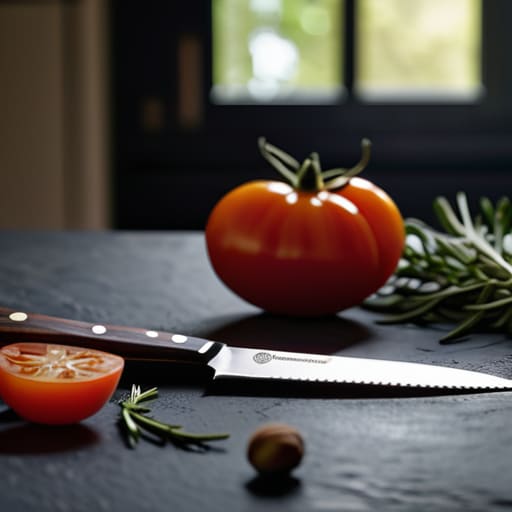
I’ve spent twenty years in commercial kitchens, and if there is one thing that drives me up the wall, it’s the way big-box retailers try to sell you a twenty-piece knives set filled with useless, flimsy blades you’ll never touch. I’ve seen professional chefs weep over the sheer amount of countertop clutter these “complete” kits force upon you. Most of those extra serrated edges and tiny paring knives are just expensive filler designed to make the price tag look justified. You don’t need a mountain of mediocre steel; you need a few high-quality tools that actually hold an edge when the pressure is on.
I’m not here to sell you on some flashy, high-tech gadgetry or a brand name that’s just paying for celebrity endorsements. My goal is to help you strip away the nonsense and identify the essential pieces that will actually make your prep work faster and safer. I’m going to show you how to build a collection of blades that are built to last a lifetime, focusing on durability, balance, and real-world utility. Let’s stop wasting money on junk and start investing in tools that actually work.
Table of Contents
- Why a Professional Chef Knife Collection Outlasts Trendy Sets
- Choosing the Best Knife Set for Home Cooks Who Value Quality
- Five Rules for Building a Knife Kit That Doesn't End Up in the Junk Drawer
- The Bottom Line on Building a Real Knife Collection
- The Truth About Your Drawer
- Stop Buying, Start Investing
- Frequently Asked Questions
Why a Professional Chef Knife Collection Outlasts Trendy Sets
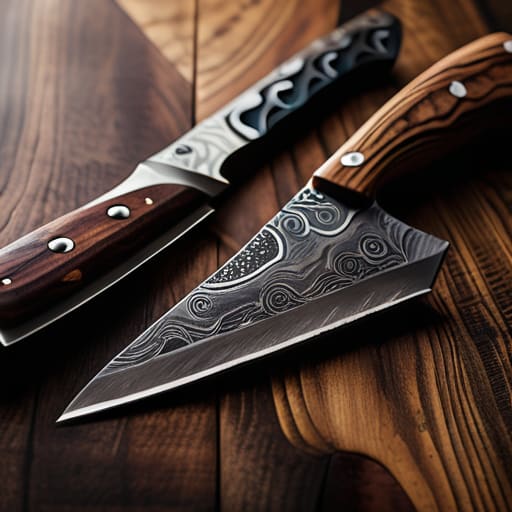
I’ve seen it a hundred times in commercial kitchens and in clients’ homes: someone buys a flashy, twenty-piece set from a big-box store because it looks great in the box. But three months later, the “specialty” tools they never use are gathering dust, while the primary blade is already dull and chipped. A real professional chef knife collection isn’t about quantity; it’s about quality and purpose. When you invest in a few high-caliber pieces—specifically those with high carbon steel blades—you’re buying tools that can actually hold an edge through years of heavy prep work.
Trendy sets often rely on cheap materials and flimsy construction to keep the price point low, which means they end up in a landfill far sooner than they should. I always tell people to look for ergonomic kitchen knife handles and solid weight. You want a tool that feels like an extension of your hand, not a plastic toy. It’s much better to own three exceptional knives that you know how to care for than a drawer full of mediocre metal that makes cooking feel like a chore.
Choosing the Best Knife Set for Home Cooks Who Value Quality
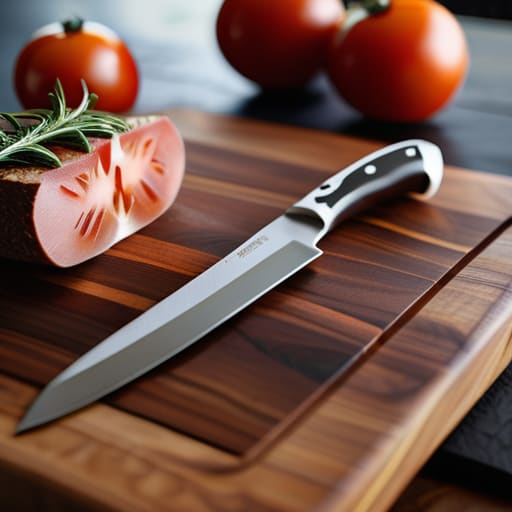
When you’re looking for the best knife set for home cooks, ignore the flashy displays in big-box stores that promise “15 pieces for under fifty dollars.” Those sets are almost always a trap. You end up with a drawer full of flimsy, poorly balanced metal that dulls the moment it touches a tomato. Instead, look for quality over quantity. I always tell my clients to start with a few heavy hitters—a reliable chef’s knife, a paring knife, and a serrated blade—rather than a bloated collection of specialized gadgets you’ll use once a year.
Pay close attention to the weight and the feel in your palm. You want ergonomic kitchen knife handles that feel like an extension of your hand, not something that causes cramping halfway through meal prep. I prefer blades made of high carbon steel because they hold an edge beautifully, though they do require a bit more respect when it comes to care. If the balance is off, the knife is working against you, not with you. Don’t settle for tools that make your job harder.
Five Rules for Building a Knife Kit That Doesn't End Up in the Junk Drawer
- Stop buying those massive 20-piece blocks. Most of those specialty slicers and tiny paring knives you’ll never touch are just taking up counter space and wasting your money. You only need a handful of high-quality blades to handle 95% of your kitchen tasks.
- Prioritize the “Big Three” first. If you have a solid chef’s knife, a sharp utility knife, and a reliable serrated blade, you can cook almost anything. Don’t let a salesperson talk you into a fancy bread knife or a santoku if your core essentials are mediocre.
- Weight and balance matter more than aesthetics. Pick up a knife and see how it sits in your hand. If it feels top-heavy or your wrist starts to ache after a minute of mimicking a chop, put it back. A knife should feel like an extension of your arm, not a heavy tool you’re fighting against.
- Avoid the “razor-sharp” trap of cheap stainless steel. Some budget sets claim to be incredibly sharp right out of the box, but the metal is so soft it loses its edge after three uses. Look for high-carbon stainless steel; it holds an edge longer and actually stands up to daily prep work.
- Respect the steel by ditching the dishwasher. I cannot stress this enough: never, ever put a good knife in the dishwasher. The heat and the harsh detergents will ruin the temper of the metal and dull the edge in no time. Hand wash, dry immediately, and store them properly.
The Bottom Line on Building a Real Knife Collection
Stop buying those massive 20-piece blocks filled with filler tools; you only need a handful of high-quality, versatile blades that you actually know how to use.
Prioritize weight, balance, and steel quality over flashy packaging or “smart” features that will just end up in a junk drawer.
View your knives as long-term investments rather than disposable kitchenware—buy once, maintain them properly, and they’ll serve you for decades.
The Truth About Your Drawer
Stop buying those twenty-piece “everything-but-the-kitchen-sink” sets that come in those flashy wooden blocks; you’ll end up using three knives and losing the rest in a junk drawer. Invest in three high-quality, well-balanced blades that you actually know how to handle, and you’ll spend less time fighting your prep work and more time actually enjoying your meal.
Rosalind Hayter
Stop Buying, Start Investing
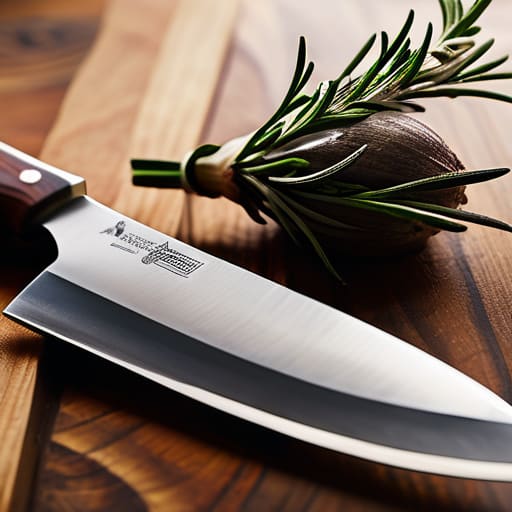
At the end of the day, a good knife set isn’t about how many pieces come in the wooden block or how shiny the packaging looks on a store shelf. It’s about knowing that when you’re mid-prep for a Sunday roast, your tools won’t fail you. We’ve talked about why you need to prioritize high-carbon steel over cheap, stamped metal and why a few versatile, high-quality blades will always beat a twenty-piece set of mediocre junk. If you focus on weight, balance, and the ability to hold an edge, you aren’t just buying kitchenware; you are investing in your own efficiency and safety.
I know it can feel overwhelming with all the marketing noise out there, but I promise you, your kitchen deserves better than disposable tools. Don’t let the fear of spending a little more upfront keep you stuck in a cycle of replacing dull, flimsy blades every single year. Buy the right tools once, learn how to care for them properly, and then get back to the actual joy of cooking. A well-maintained knife is a lifelong companion, and once you feel that perfect balance in your hand, you’ll realize that simplicity is the ultimate sophistication in any professional or home kitchen.
Frequently Asked Questions
Do I actually need a twelve-piece block, or can I just get a few high-quality individual knives?
Look, I’ve seen more cluttered countertops than I care to count, and most of those bulky twelve-piece blocks are just space-wasters. You don’t need a dozen specialized blades gathering dust. Honestly? Buy a high-quality chef’s knife, a paring knife, and maybe a serrated one. That’s it. Invest your money in those three tools rather than a mediocre set of ten. A few exceptional knives will serve you far better than a block full of junk.
How often should I really be sharpening my knives, and is a honing steel enough to keep them ready?
Listen, if you’re waiting until you can’t slice a tomato to think about sharpening, you’re already too late. For most home cooks, I recommend a professional sharpening every six to twelve months. Don’t mistake a honing steel for a sharpener, either. The steel just realigns the edge; it doesn’t actually remove metal to fix a dull blade. Use the steel frequently to keep things straight, but get them professionally ground when they truly lose their bite.
Is it worth spending the extra money on forged steel, or is high-carbon stainless steel a better bet for a busy home kitchen?
Look, I’ve seen both in commercial kitchens, and here’s the truth: for a busy home cook, high-carbon stainless steel is usually the smarter bet. Forged steel is beautiful and holds an edge, but it’s high-maintenance—if you don’t treat it like royalty, it’ll rust or pit. High-carbon stainless gives you that professional sharpness but handles the daily chaos of a home kitchen much better. It’s about durability and real-world usability, not just prestige.
