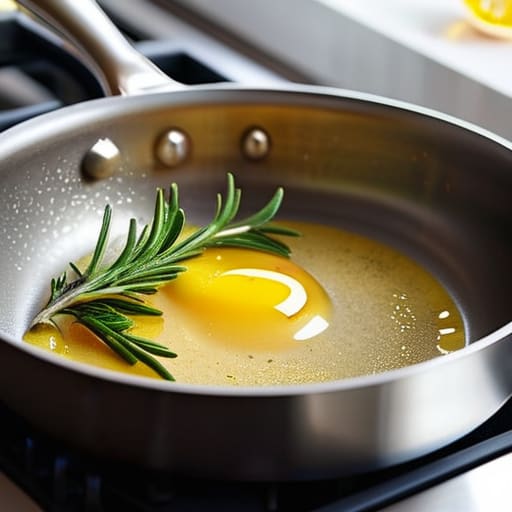
I spent twenty years in commercial kitchens, and if there’s one thing I learned, it’s that most people are being sold a lie every time they walk into a kitchenware aisle. You don’t need a dozen specialized, color-coded gadgets or a “smart” non-stick frying pan that starts peeling like a sunburn after three months of heavy use. I’ve seen enough expensive, flimsy cookware end up in landfills to know that the industry relies on you being distracted by shiny things rather than looking at actual build quality. It’s frustrating to watch people throw money away on disposable junk when they could be investing in tools that actually perform.
I’m not here to sell you on the latest celebrity chef collection or some overpriced gimmick. My goal is to cut through the marketing noise and tell you exactly what is worth your hard-earned cash and what is just expensive clutter. I’m going to share the practical, no-nonsense truth about materials, heat distribution, and durability so you can build a kitchen that works for you. We’re going to focus on the essentials—the pieces that will still be working perfectly in your kitchen twenty years from now.
Table of Contents
- The Truth About Non Stick Coating Durability
- Cast Iron vs Stainless Steel Choosing Forever Tools
- Five Rules for Keeping Your Pans in the Rotation (And Out of the Trash)
- My Rules for Building a Kitchen That Lasts
- The Cost of Convenience
- Making the Right Call for Your Kitchen
- Frequently Asked Questions
The Truth About Non Stick Coating Durability
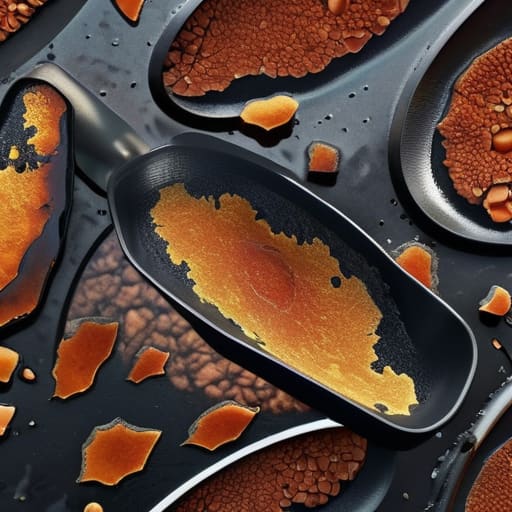
Here’s the reality that most big-box retailers won’t tell you: that shiny, effortless surface on your new pan has an expiration date. I’ve seen countless home cooks get frustrated when their “miracle” pan starts flaking or sticking after just a few months of heavy use. The truth about non-stick coating durability is that these chemical layers are inherently fragile. They can’t handle high heat, they hate metal utensils, and once that surface is compromised, the entire piece of equipment becomes little more than expensive scrap metal.
If you’re looking for something that survives a lifetime of Sunday breakfasts, you have to look beyond the convenience of Teflon. When I compare cast iron vs stainless steel, I’m looking at longevity and performance, not just ease of cleanup. A heavy-duty skillet or a high-quality stainless pan might require a bit more technique—and yes, a little more patience—but they won’t fail you when you’re in the middle of a recipe. Stop treating your kitchen tools like they’re disposable; invest in gear that actually gets better with age.
Cast Iron vs Stainless Steel Choosing Forever Tools
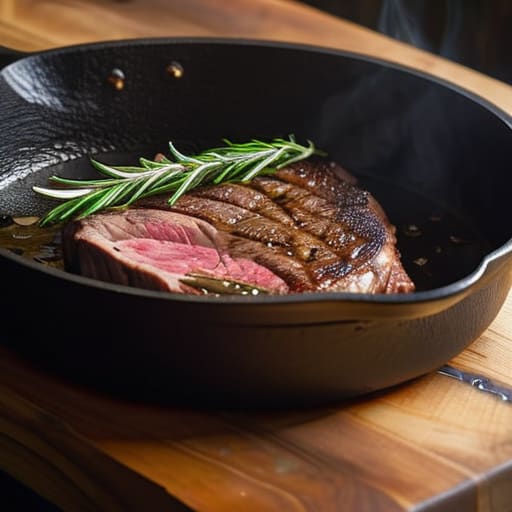
When people ask me what they should invest in first, they’re usually stuck in the middle of the cast iron vs stainless steel debate. Here’s the reality: neither is “better,” but they serve very different masters. If you want a tool that builds character over time, go with cast iron. It’s rugged, holds heat like a beast, and once you get the hang of seasoning a frying pan properly, you’ll have a natural non-stick surface that outlasts any chemical coating. It’s the workhorse for searing steaks or baking cornbread.
However, if you’re looking for precision, stainless steel is your best friend. It doesn’t require the maintenance a heavy skillet does, and it’s much better for tasks like deglazing a pan to make a pan sauce. While it won’t provide that same deep, even heat retention for a heavy sear, its heat distribution efficiency makes it indispensable for everyday sautéing. Don’t feel like you have to choose just one; a smart kitchen relies on having both in your rotation to handle different techniques without breaking a sweat.
Five Rules for Keeping Your Pans in the Rotation (And Out of the Trash)
- Stop the metal-on-metal madness; if you’ve committed to stainless steel, use silicone or wooden utensils to prevent scratching the surface and ruining the finish.
- Learn the “water droplet test” before you add oil; if the water beads up and dances across the pan, you’ve hit the right temperature for a proper sear.
- Never, under any circumstances, soak your cast iron in the sink overnight; moisture is the enemy of seasoned metal, and you’ll be fighting rust by morning.
- Don’t be afraid of a little heat; a good heavy-bottomed pan needs a minute to preheat properly so you don’t end up with food that sticks because the pan was too cold.
- Treat your high-end pans like investments, not disposables; a quick hand wash and a thorough dry are all it takes to make sure they’re ready for tomorrow’s breakfast.
My Rules for Building a Kitchen That Lasts
Stop chasing the latest “smart” pan or trendy non-stick coating; if it can’t handle high heat or be scrubbed without fear, it’s just more clutter for your cabinets.
Invest in heavy-duty materials like cast iron and stainless steel that actually improve with age rather than wearing out in a year.
Focus on versatility over specialty; one high-quality skillet that can sear, fry, and bake is worth more to your cooking than a drawer full of single-use gadgets.
The Cost of Convenience
A cheap non-stick pan is just a countdown to a trip to the landfill; if you aren’t willing to invest in a tool that actually develops a character over time, you’re just throwing money away on kitchen clutter.
Rosalind Hayter
Making the Right Call for Your Kitchen
At the end of the day, choosing a frying pan shouldn’t be about following the latest kitchen trend or buying a ten-piece set that promises the world. We’ve looked at why those flimsy non-stick coatings are a drain on your wallet and why investing in heavy-duty stainless steel or a well-seasoned cast iron skillet is the only way to go if you want tools that actually stand the test of time. My advice remains the same: stop looking for the “perfect” gadget and start looking for durability and performance. If a pan can’t handle a high heat or a lifetime of daily use, it doesn’t belong in your cabinet.
I know it can feel overwhelming when you walk down the cookware aisle and see a thousand different options staring back at you, but remember that your kitchen is your domain. You don’t need a specialized pan for every single ingredient; you just need a few reliable workhorses that you can trust implicitly. When you stop chasing the hype and start investing in quality, you aren’t just buying metal and handles—you’re building a foundation for years of good meals. Build a kitchen that works for you, and cook with intention.
Frequently Asked Questions
How do I actually maintain a cast iron skillet without it rusting or getting sticky?
Listen, I see people treating cast iron like it’s some fragile antique, and it’s driving me crazy. It’s not. First, stop using soap—a little hot water and a stiff brush is plenty. Most importantly: dry it immediately on a warm burner. Never let it air dry, or you’re inviting rust. Once it’s bone-dry, rub a tiny drop of oil over the surface. That’s it. Keep it seasoned, keep it dry, and it’ll outlive us both.
Is it worth spending the extra money on a heavy-duty stainless steel pan, or is a cheaper one just as good?
Look, if you’re buying a thin, lightweight pan that warps the first time it hits high heat, you’re just throwing money in the trash. A cheap pan has hot spots that burn your food and uneven metal that makes cooking a headache. Spend the extra money on a heavy-gauge, multi-clad stainless steel pan. It’s an investment in heat distribution and durability. You want a tool that stays flat and performs for decades, not one you’ll replace next year.
How do I know if a pan is actually high-quality just by looking at it in the store?
Pick it up. If a pan feels flimsy or hollow in your hand, put it back. You’re looking for weight—density matters because heat retention is everything. Check the rim; it should be smooth and thick, not thin or jagged. Flip it over and look at the base. It needs to be flat and heavy to prevent warping on your stove. If it feels like a toy, it’ll perform like one.
