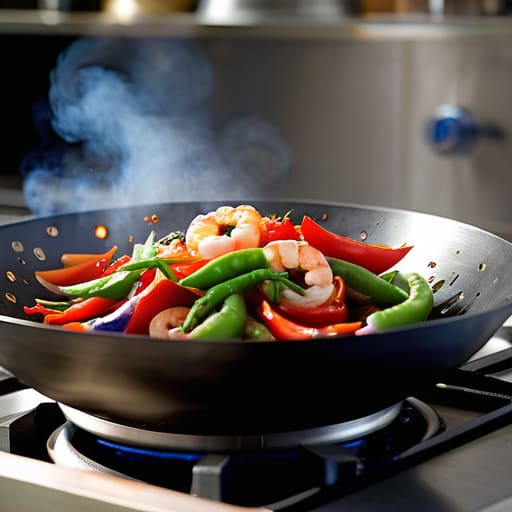
I’ve spent twenty years in commercial kitchens, and if there is one thing that makes my blood boil, it’s seeing people spend hundreds of dollars on non-stick, “designer” woks that will be in a landfill within two years. You don’t need a high-tech, multi-functional gadget to get that smoky wok hei flavor; you need a piece of carbon steel and a fundamental understanding of how heat moves. Most people struggle with wok cooking techniques because they are trying to follow complicated, westernized recipes that ignore the physics of the pan. Stop chasing the expensive trends and start focusing on the metal in front of you.
I’m not here to sell you a lifestyle or a kitchen makeover; I’m here to give you the unfiltered truth about what actually works when the flame is high. I’m going to walk you through the essential wok cooking techniques that I used to rely on during my catering days—the ones that prioritize heat management, seasoning, and timing over fancy equipment. We are going to strip away the fluff and focus on building the habits that turn a simple pan into your most reliable tool.
Table of Contents
Seasoning a Carbon Steel Wok for a Lifetime
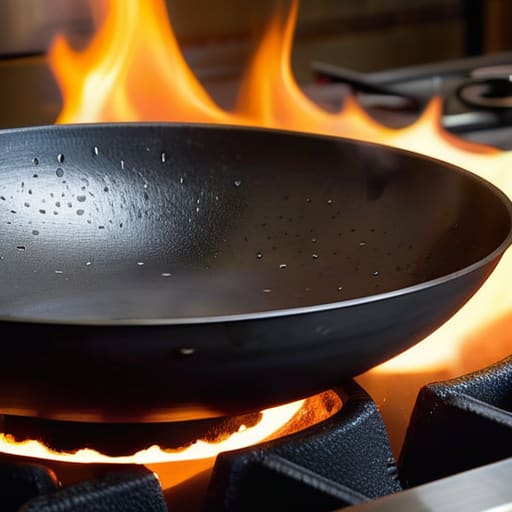
Listen, I’ve seen too many people abandon a perfectly good wok because they were afraid of the maintenance. If you want a pan that actually performs, you have to stop treating it like a non-stick skillet. Seasoning a carbon steel wok isn’t some complicated science experiment; it’s about building layers of polymerized oil that create a natural, non-stick surface. I always tell my clients: don’t overthink it. Get your pan hot, wipe it down with a high-smoke-point oil, and let the heat do the heavy lifting.
Once you’ve got that initial layer down, the real magic happens through use. Every time you cook, you’re contributing to that patina. You’ll notice that as the surface darkens, your wok hei flavor development improves because the pan is finally able to hold and distribute intense heat properly. It’s a living thing. If you treat it with respect—cleaning it with hot water instead of harsh soaps and drying it immediately over the flame—it will outlast every piece of plastic junk in your pantry.
The Truth About Wok vs Skillet Cooking
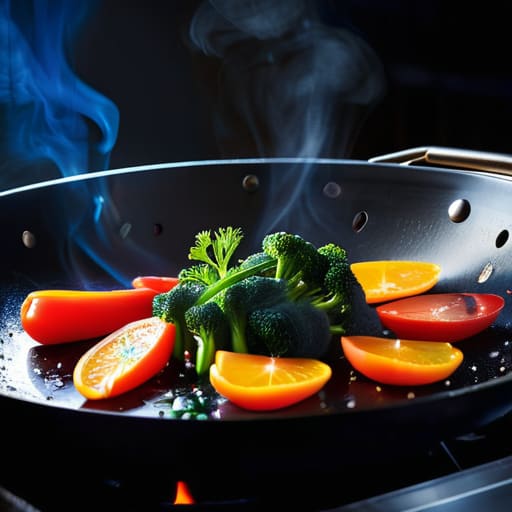
I see it all the time: someone buys a heavy, expensive cast iron skillet thinking they can just swap it for a wok and get the same results. That’s a mistake. A skillet is designed to hold heat in a flat, consistent way for searing a steak or frying an egg. A wok, however, is a vessel for movement. Because of that high, sloping shape, you aren’t just sitting food in a pool of oil; you are constantly engaging in stir fry heat management, moving ingredients in and out of the hottest zone of the pan.
If you try to treat a wok like a pan, you’ll end up with soggy, steamed vegetables instead of a crisp stir fry. The real magic happens when you master tossing and flipping techniques. You need that motion to distribute heat and prevent everything from sticking. When you use the right movement, you tap into wok hei flavor development—that elusive, smoky “breath of the wok” that you simply cannot replicate in a shallow pan. A skillet is for stability; a wok is for speed and airflow.
Five Habits to Master the Heat
- Stop overcrowding the pan. If you dump a mountain of cold vegetables into a hot wok all at once, you aren’t stir-frying; you’re steaming. Work in small batches so the temperature stays high and the food actually sears.
- Master the toss, not just the stir. You don’t need to be a professional chef to get the motion down, but using the wrist to toss the food ensures even heat distribution and prevents everything from sticking to the bottom.
- Prep everything before the flame is even lit. In a commercial kitchen, we call this mise en place, and in wok cooking, it’s a survival tactic. Once that oil is shimmering, you won’t have a single second to spare for chopping garlic.
- Control your heat with intention. A wok is all about the relationship between the flame and the metal. Learn when to crank it up for a quick sear and when to pull the pan slightly off the heat to prevent delicate aromatics from burning.
- Respect the “Wok Hei.” That smoky, charred flavor isn’t magic; it’s the result of high heat and the rapid vaporization of oil droplets. To get it, you need a hot pan, high heat, and constant movement. Don’t let the food sit idle.
The Bottom Line on Wok Mastery
Stop looking for a “magic” setting; the secret to a great stir-fry isn’t a button on a stove, it’s mastering heat control and keeping your ingredients moving.
Invest in a real carbon steel wok, not a non-stick coated one, because you want a tool that builds character and seasoning over years of use.
Preparation is half the battle—if you aren’t chopping and organizing your ingredients before the heat hits the pan, you’ve already lost the fight.
## The Secret to Wok Cooking
“Forget the fancy gadgets and the expensive non-stick sprays; mastering the wok isn’t about owning a piece of equipment, it’s about learning to respect the heat and developing the muscle memory to move with it.”
Rosalind Hayter
Put Down the Gadgets and Start Cooking
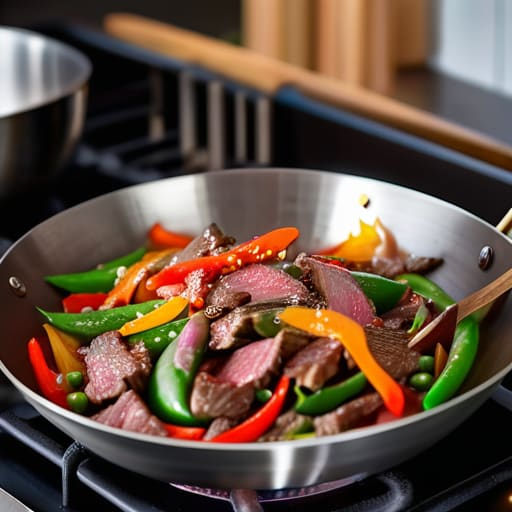
At the end of the day, mastering the wok isn’t about owning a dozen specialized spatulas or high-tech induction burners. It comes down to three things: a well-seasoned carbon steel pan, a heat source that can actually keep up with you, and the patience to learn how to move your ingredients through that heat. We’ve covered why you need to ditch the non-stick skillet for real metal, how to build that non-stick patina through proper seasoning, and why understanding the difference between searing and stir-frying is what separates a soggy mess from a professional-grade meal. If you respect the tool and follow the technique, the wok will reward you every single time.
I’ve spent enough years in commercial kitchens to know that the best cooks aren’t the ones with the most expensive equipment; they are the ones who have mastered the basics. Don’t let the intimidation factor of high-heat cooking stop you from trying. It might take a few burnt batches or a little bit of smoke to get your rhythm, but that is just part of the process. Focus on building reliable habits and investing in quality gear that will outlast any passing kitchen trend. Once you find your flow, you won’t just be making better food—you’ll be enjoying the kitchen the way it was meant to be used.
Frequently Asked Questions
How do I keep my ingredients from turning to mush if I'm not fast enough with the heat?
The secret isn’t just speed; it’s preparation. In a professional kitchen, we call it mise en place. If you’re scrambling to chop garlic while your oil is smoking, you’ve already lost. Chop everything beforehand and keep it in small bowls within arm’s reach. If you can’t prep it all before the flame hits the steel, you’re cooking too much at once. Work in smaller batches to keep the heat high and the texture crisp.
Do I really need to use a high-BTU burner, or can I get decent results on a standard home stove?
Look, I’ll be straight with you: a high-BTU burner is a luxury, not a requirement. If you’re working on a standard home stove, you won’t get that restaurant-style “breath of the wok,” but you can still make a damn good meal. The trick is managing your heat and working in smaller batches. Don’t crowd the pan, or you’ll end up steaming your vegetables instead of searing them. Master the technique, and the stove matters less.
How often should I actually be re-seasoning the wok if I notice food starting to stick?
If food is sticking, don’t panic and don’t go dumping soap on it. Usually, it’s not that your seasoning is gone; it’s that your heat management is off or your pan is dirty. Give it a good scrub with hot water and a stiff brush to clear any burnt-on residue. If it’s truly stripped, do a quick, light seasoning session with a high-smoke-point oil. Do this once, then get back to mastering your heat.
