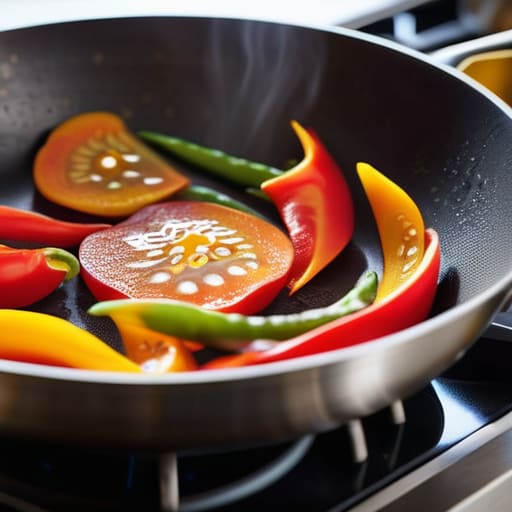
I’ve spent twenty years in commercial kitchens, and if there is one thing that makes my blood boil, it’s seeing people drop eighty dollars on a “designer” non-stick wok that’s destined for a landfill in six months. You see them in every big-box store—flimsy, coated in chemicals, and marketed as some kind of miracle tool. It’s a scam. A real wok shouldn’t be a delicate piece of kitchen jewelry you’re afraid to scratch; it should be a workhorse that handles high heat and gets better every single time you use it.
I’m not here to sell you on some trendy gadget or a complicated multi-step seasoning ritual that takes all night. My goal is to cut through the marketing noise and tell you exactly what you need to know about choosing a piece of carbon steel or cast iron that will actually last a lifetime. I’ll show you how to pick the right shape for your stove and how to maintain it without the headache, so you can stop wasting money on junk and start cooking like you mean it.
Cast Iron vs Carbon Steel Wok Choosing Your Last Pan
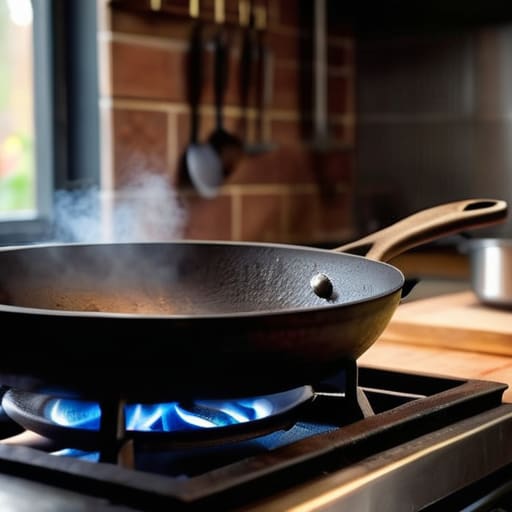
When people ask me for advice, they usually want to know the truth about cast iron vs carbon steel wok performance. Here’s the reality: if you want a heavy, heat-retaining beast that feels like an anchor, go with cast iron. It’s indestructible and holds steady temperatures, which is great for beginners. However, it’s also cumbersome. You’ll find yourself fighting the weight every time you try to toss your ingredients.
If you actually want to master wok cooking techniques, carbon steel is the professional choice. It’s lighter, responds instantly to temperature changes, and allows for that rhythmic tossing that makes stir-frying fun. Most importantly, carbon steel is the key to achieving true wok hei flavor—that elusive, smoky “breath of the wok” that you just can’t replicate in a heavy, sluggish pan. While you do need to learn how to season a wok properly to prevent rust, the payoff is a tool that becomes more non-stick and more seasoned with every single meal you cook. Don’t overthink it; just pick the one that fits your wrist and your ambition.
Mastering How to Season a Wok for Decades of Use
If you want a pan that lasts a lifetime, you have to respect the seasoning process. Most people get intimidated by how to season a wok, thinking it’s some complex ritual, but it’s really just about patience and heat. I tell my clients the same thing: you aren’t just coating the metal; you are building a protective, non-stick layer through polymerization. Start with a clean surface, apply a thin, even layer of a high-smoke-point oil, and let it smoke off completely over high heat. If you leave too much oil, you’ll end up with a sticky, gummy mess that’s a nightmare to work with.
Once you have that initial base, the real magic happens during regular use. When you are practicing your wok cooking techniques, the tiny amounts of oil and juices from your ingredients contribute to that dark, slick patina we all crave. This isn’t just for aesthetics; a well-seasoned surface is what allows you to achieve that elusive wok hei flavor—that smoky, charred essence that defines great stir-fry. Just remember: never soak your pan in the sink. A quick rinse and a light wipe with oil is all it needs to stay ready for the next meal.
Five Hard-Won Rules for Wok Success
- Stop using soap like it’s 1995; a little hot water and a stiff brush are all you need to protect that seasoning you worked so hard to build.
- Dry your wok immediately on the stovetop over medium heat; if you let water air-dry in the pan, you’re just inviting rust to move in.
- Master the “breath of the wok” by getting your oil shimmering hot before the food hits the metal—if you aren’t seeing a bit of smoke, you aren’t cooking, you’re just steaming.
- Don’t crowd the pan with too much cold protein at once, or you’ll kill the temperature and end up with a soggy, grey mess instead of that beautiful sear.
- Learn to use the sides of the pan, not just the bottom; a real wok is a three-dimensional tool, and you’re wasting half your cooking surface if you only stay in the center.
The Bottom Line on Your Wok
Stop hunting for the perfect non-stick coating; whether you choose cast iron or carbon steel, the real secret to a great pan is the seasoning you build yourself over time.
Don’t let the “professional” labels fool you—buy a tool that fits your actual stove and your actual cooking habits, not one that looks pretty in a social media photo.
Treat your wok like an investment, not a disposable gadget; if you skip the harsh soaps and avoid the temptation of cheap, thin metals, this is the last pan you’ll ever need to buy.
The Long Game in Your Kitchen
At the end of the day, picking a wok isn’t about following a culinary trend or buying the most expensive piece of gear on the shelf. It’s about understanding the difference between a tool that performs and a gadget that just takes up space. Whether you decide on the heavy-duty reliability of cast iron or the responsive, lightweight agility of carbon steel, remember that your choice dictates your workflow. Once you have that pan in your hands, the real work begins with consistent seasoning and proper care. Don’t let a little rust or a sticking egg scare you off; that’s just part of the process of building a tool that is truly yours.
I’ve spent two decades watching people cycle through cheap, non-stick pans that end up in a landfill within a year. It’s a waste of money and a waste of energy. When you invest in a real wok, you aren’t just buying cookware; you are investing in a lifetime of meals. There is a profound, quiet satisfaction in using a pan that has been seasoned by years of your own cooking, a tool that has become an extension of your hands. Stop looking for the “perfect” shortcut and start building the right habits. Buy it once, treat it with respect, and let it last.
Frequently Asked Questions
Do I really need a high-BTU gas burner, or can I get decent results on a standard electric stove?
Look, I’ll be honest: if you’re cooking stir-fry on a standard electric stove, you’re fighting an uphill battle. You lack that instant, intense heat needed to sear meat and wilt greens without turning them into mush. If you can swing it, get a high-BTU gas burner or even a portable butane stove. It’s a game-changer. But if you’re stuck with electric, just work in smaller batches to keep the pan hot.
How do I know if my wok is actually seasoned properly or if I'm just looking at a layer of burnt food?
It’s a common mistake, and honestly, a messy one. If your wok feels gritty or you see flaky, black bits coming off in your food, that’s burnt residue, not seasoning. Real seasoning should feel smooth—almost like a dark, polished patina. It’s a slick, non-stick layer bonded to the metal. If it looks uneven or smells like scorched oil, grab a stiff brush and get back to work. You want a patina, not a crust.
Can I use my carbon steel wok for acidic foods like tomato sauces, or will it ruin the finish?
The short answer is: yes, you can, but don’t make it a habit. If you’re simmering a heavy tomato sauce for an hour, that acid is going to eat away at your seasoning and leave your food tasting metallic. For a quick stir-fry with a splash of vinegar or a squeeze of lime, you’re fine. Just keep the long, acidic braises for your stainless steel or enameled pots. Protect that patina; it’s earned.
