I spent twenty years in commercial kitchens where the noise was constant and the margins for error were zero, and if there is one thing I learned, it’s that most “premium” cookware is just expensive marketing designed to clutter your cabinets. I see people pouring hundreds of dollars into high-tech, multi-layered non-stick pans that lose their coating the moment you use a metal spatula. It’s a cycle of waste that drives me crazy. If you want a tool that actually performs under pressure and develops a seasoning that makes a non-stick pan look like a toy, you need a carbon steel pan. It isn’t a trend; it’s a workhorse that demands respect and, in return, gives you a sear you simply cannot achieve with anything else.
I’m not here to sell you on some culinary fantasy or tell you that you need a dozen different specialty pans to be a “real” cook. My goal is to give you the straight truth about how to select, season, and maintain a carbon steel pan so it becomes a permanent fixture in your kitchen. I’ll skip the fluff and focus on the practical habits that ensure your investment lasts a lifetime.
Carbon Steel vs Cast Iron Choosing Lifelong Quality
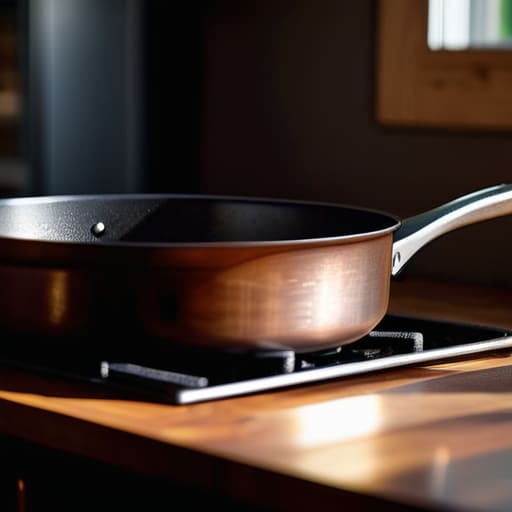
People often ask me if they should just stick to cast iron and call it a day. Look, I love my vintage cast iron—there’s nothing quite like the weight of a well-seasoned skillet—but they aren’t identical twins. When you’re weighing carbon steel vs cast iron, you have to think about how you actually move in your kitchen. Cast iron is a beast; it holds heat like a furnace, which is great for a thick steak, but it’s heavy and slow to react. If you’re looking for something that responds quickly when you turn the dial on the stove, carbon steel is your winner.
The real magic lies in the carbon steel pan heat conductivity. Because the metal is thinner and more responsive than heavy cast iron, you get much more control over your temperature. It’s why you see this much more often in professional chef cookware setups. You’ll get those same incredible non-stick properties once you build up a proper patina, but you won’t be fighting a massive, sluggish hunk of metal every time you want to sauté some quick vegetables. It’s about choosing the tool that fits your rhythm.
The Professional Chef Cookware Secret You Need
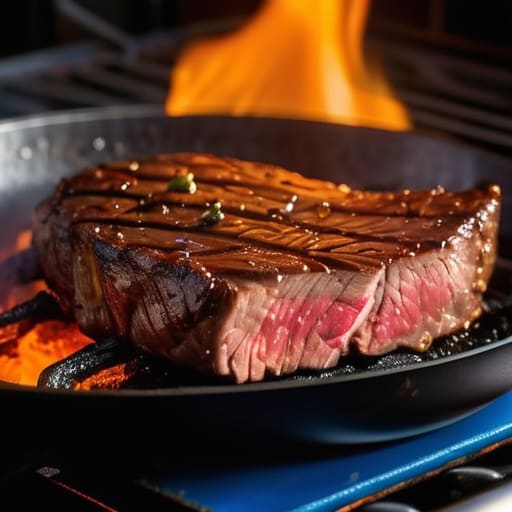
I’ve spent years in commercial kitchens where speed and temperature control are everything. If you walk into a high-end restaurant line, you won’t see a sea of cheap, disposable non-stick coating; you’ll see seasoned steel. The reason is simple: carbon steel pan heat conductivity is superior to almost anything else in your cupboard. It responds to temperature changes almost instantly, allowing you to sear a steak with precision or drop the heat for a delicate sauce without the guesswork.
Most home cooks think they need a dozen specialized pans, but professional chef cookware is actually about versatility. A well-maintained piece of steel provides the heavy-duty heat retention of cast iron but with a much more responsive edge. Once you develop that natural patina, you’ll realize the non-stick properties of carbon steel can rival any Teflon pan you’ve ever owned—without the toxic chemicals or the inevitable peeling. It’s the bridge between heavy-duty durability and fine-tuned control that most home kitchens are sorely missing.
Stop Treating It Like Teflon: 5 Rules for a Pan That Actually Lasts
- Forget the soap and the scrubby sponges. If you want to keep that seasoning intact, stick to hot water and a stiff brush. If you get stubborn bits stuck, use a little coarse salt as an abrasive, but for heaven’s sake, leave the heavy-duty dish soap in the cupboard.
- Heat management is everything. Unlike your cheap non-stick pans, carbon steel can handle high heat, but it doesn’t like being neglected. Always preheat your pan slowly. If you crank it to max immediately, you’ll end up with uneven hot spots that’ll burn your dinner before the middle is even warm.
- Moisture is the enemy of a good pan. After you wash it, don’t just let it air dry in the rack. Put it back on the stove over low heat for a minute to evaporate every last drop of water, then rub a tiny bit of oil into the surface before you put it away.
- Stop cooking highly acidic foods in it for long stretches. I’m not saying you can’t make a quick tomato sauce, but if you’re simmering a marinara for three hours, that acidity is going to eat away at your hard-earned seasoning and leave you with a metallic-tasting mess.
- Build your seasoning with intention. You don’t need a fancy kit; just a high-smoke-point oil like grapeseed or canola. Every time you finish a session of heavy use, give it a quick wipe with a thin layer of oil. It’s not about being perfect; it’s about being consistent.
The Bottom Line on Carbon Steel
Stop replacing cheap non-stick pans every year; invest in one piece of carbon steel that actually gets better with age and use.
Don’t let the “maintenance” scare you off—if you can handle a cast iron skillet, you can handle carbon steel, and it’s much easier to maneuver.
Buy for performance, not for trends; a single, high-quality carbon steel pan will do more for your cooking than a dozen plastic gadgets.
Making the Investment
At the end of the day, choosing a carbon steel pan isn’t about following a kitchen trend or buying more gear to clutter your cabinets. It’s about recognizing that you deserve tools that can actually handle the heat. We’ve looked at how these pans bridge the gap between the heavy weight of cast iron and the agility of stainless steel, offering you a surface that becomes better with every single meal you cook. Stop cycling through those cheap, thin non-stick pans that peel and fail after six months. If you invest in a quality piece of carbon steel, you are choosing durability over convenience and substance over hype.
I’ve spent decades in professional kitchens and seen countless gadgets go to waste, but the tools that stay on the line are the ones that work as hard as the cook. A carbon steel pan requires a little bit of respect—a little bit of seasoning and a little bit of care—but it rewards you with a lifetime of service. Don’t let the fear of maintenance hold you back from owning something real. Build a kitchen that is grounded in quality basics, and I promise you’ll spend less time shopping for replacements and more time actually enjoying your cooking.
Frequently Asked Questions
Do I really need to season a carbon steel pan every time I use it, or is that just overkill?
No, you absolutely do not need to season it every single time. That’s a recipe for a sticky, gummy mess. Think of seasoning like a build; you want to layer it up over time, not redo the foundation every morning. Just wash it with a little warm water, dry it thoroughly on the stove, and wipe on a tiny drop of oil if it looks dull. That’s it. Keep it simple.
Can I actually use these pans for acidic things like tomato sauce without ruining the finish?
Short answer: Yes, but don’t make it a habit. If you’re simmering a heavy tomato sauce for three hours, the acid will eventually eat away at that beautiful seasoning you worked so hard to build. For a quick sauté or a standard pan sauce, you’re fine. But for long, acidic braises? Use stainless steel. Protect your investment; don’t let a jar of marinara strip your pan back to bare metal.
How do I know if I've seasoned my pan well enough, or if it's just a mess of stuck-on food?
Here’s the truth: there’s a big difference between a healthy patina and a greasy disaster. A well-seasoned pan should feel smooth and slightly slick to the touch, with a deep, dark color. If it looks patchy or feels tacky/sticky, you’ve got buildup. If food is sticking, you haven’t built enough layers. Don’t panic—just scrub it down with a bit of coarse salt, dry it thoroughly, and start your seasoning process over.
