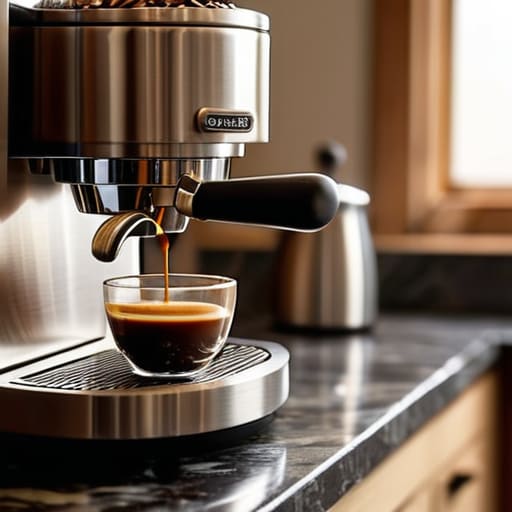
I’ve spent twenty years in commercial kitchens, and if there is one thing I’ve learned, it’s that most people treat an espresso machine like a piece of high-tech jewelry rather than a tool. I see them every day: shiny, overpriced plastic contraptions with more buttons than a cockpit, designed to look good on a countertop for six months before the internal pump dies and they end up in a landfill. You don’t need a machine that requires a software update just to pull a shot; you need something with heft and soul that actually does the job without a fuss.
I’m not here to sell you on the latest trend or convince you that you need a thousand-dollar setup to enjoy your morning. My goal is to help you cut through the marketing noise and find a machine that is built to last. I’ll be sharing my honest, experience-based take on what actually matters—from build quality to ease of cleaning—so you can invest in a piece of equipment that becomes a permanent fixture in your kitchen, not just another piece of clutter.
The Truth About Single Boiler vs Dual Boiler Systems
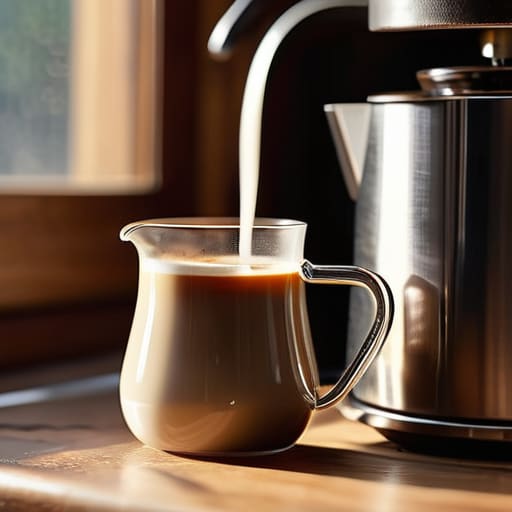
Most people walk into a kitchen supply store and get immediately overwhelmed by the technical jargon, but the debate between single boiler vs dual boiler systems really comes down to how you actually use your morning ritual. If you’re someone who views coffee as a slow, meditative process, a single boiler is a perfectly fine, budget-friendly way to start. You’ll brew your shot, then wait a minute or two for the machine to heat up enough to steam your milk. It’s a bit of a dance, and it requires some patience, but it works if you aren’t in a rush.
However, if you want to master advanced milk frothing techniques without the constant waiting game, you need to invest in a dual boiler. These machines have separate heating elements for brewing and steaming, meaning you can do both at the exact same time. For anyone serious about their home barista equipment, that ability to maintain consistent extraction temperature control while steaming is a game-changer. It’s the difference between a clunky, stop-and-start process and the seamless flow you’d see in a professional cafe.
Why Portafilter Compatibility Matters for Lifelong Use
When you’re looking at high-end gear, it’s easy to get blinded by the shiny chrome and forget about the actual mechanics of how you’ll be using it every morning. One thing I see people overlook constantly is portafilter compatibility. You aren’t just buying a machine; you’re entering an ecosystem. If you buy a machine with a proprietary or obscure attachment system, you are effectively locking yourself into a corner. If a part breaks five years from now, or if you eventually decide you want to upgrade to a precision basket to improve your shots, you might find yourself stuck with a heavy paperweight because you can’t find the right accessories.
I always tell my clients to look for standardized sizes. A machine that plays well with the industry standard means you have the freedom to experiment with different home barista equipment as your skills evolve. Whether you’re refining your puck preparation or eventually looking into more advanced tools for better extraction temperature control, you want gear that grows with you. Don’t buy into a closed system that forces you to replace the whole unit just because you wanted a different handle or a better basket.
Five Rules for Buying an Espresso Machine That Won't End Up in a Landfill
- Prioritize build quality over digital screens. I’ve seen too many “smart” machines with touchscreens that fail after two years; give me heavy brass, stainless steel, and physical switches that feel substantial in my hand every single time.
- Don’t neglect the grinder. An expensive espresso machine is a paperweight if you’re feeding it inconsistent grounds; invest in a high-quality burr grinder that can actually handle the fine precision required for a proper shot.
- Check for repairability before you swipe your card. If a part breaks and you can’t find a replacement online or a technician who can fix it, you haven’t bought a tool—you’ve bought a future piece of trash.
- Size matters, but not in the way you think. Don’t just measure your counter space; consider the “workflow footprint”—make sure you have enough room to actually move around, clean the machine, and place your cups without feeling cramped.
- Learn the maintenance requirements upfront. A machine that requires daily, deep cleaning just to stay functional might be too high-maintenance for your lifestyle; be honest with yourself about how much time you’re actually willing to spend on upkeep.
My Golden Rules for Buying an Espresso Machine
Stop chasing the latest touchscreen trends; prioritize build quality and internal components that can actually be repaired rather than replaced.
Don’t get caught in a compatibility trap—ensure your machine uses standard parts so you aren’t stuck with a paperweight when a specific brand-name piece fails.
Match the machine’s complexity to your actual morning routine, because a professional-grade setup is useless if you’re too rushed to maintain it properly.
Making the Right Call for Your Countertop
At the end of the day, choosing an espresso machine isn’t about finding the one with the most flashing lights or the slickest touchscreen interface. It’s about understanding the mechanics of what you actually need. You have to weigh the simplicity of a single boiler against the precision of a dual system, and you absolutely cannot overlook the importance of portafilter compatibility. If you buy a machine that uses proprietary, flimsy parts, you aren’t buying a tool; you’re buying a temporary appliance that will eventually end up in a landfill. Focus on the build quality, the ease of maintenance, and the ability to find replacement parts ten years down the road. Invest in hardware that respects your craft.
I’ve seen too many people treat their kitchen like a showroom for trendy gadgets, only to realize six months later that they’re fighting their equipment every single morning. Don’t let that be you. A great espresso machine should feel like an extension of your hands, a reliable partner in your daily ritual that stays steady and consistent. When you stop chasing the latest plastic fad and start prioritizing longevity and function, you turn a simple caffeine fix into a meaningful moment of calm. Buy it once, maintain it well, and let it serve you for a lifetime.
Frequently Asked Questions
Do I really need a built-in grinder, or should I invest in a separate high-quality burr grinder instead?
Get a separate burr grinder. Period. I’ve seen too many people buy all-in-one machines only to realize the built-in grinder is the weak link. When that little motor dies or the burrs go dull, your entire expensive machine becomes a paperweight. A standalone, high-quality burr grinder gives you better grind consistency and, more importantly, room to upgrade. Buy them separately so you can fix, replace, or improve one without touching the other.
How much counter space am I actually going to lose to a machine that looks good but is a pain to clean every single morning?
Look, don’t just measure the footprint of the machine; measure the “workflow radius.” If you buy a massive, industrial-looking beast, you aren’t just losing twelve inches of counter; you’re losing the space needed to set down your grinder, your knock box, and your scale. If you’re constantly shuffling things around just to wipe down a spill, that machine is winning and you’re losing. Buy for the space you actually use, not just the aesthetic.
Is it worth paying the premium for a commercial-grade machine if I'm only making one or two shots a day?
Look, I’ve seen enough commercial kitchens to know that “overbuilt” is often better than “just enough.” If you’re only pulling two shots a day, you don’t need a massive, multi-group machine that eats electricity. But don’t mistake “home use” for “cheaply made.” Pay the premium for build quality—heavy brass, stainless steel, and repairable parts—not for extra features. Buy a machine that can be serviced in ten years, not one you have to toss.
