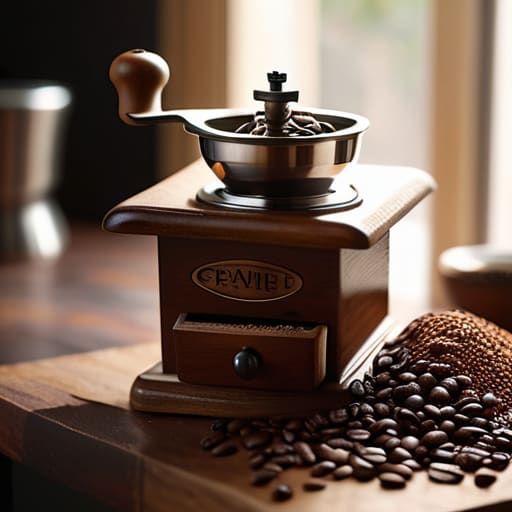
I spent two decades managing high-pressure commercial kitchens where every second and every tool mattered, and if there is one thing that drives me up the wall, it’s seeing people throw money away on “smart” gadgets that do nothing but clutter a countertop. I recently watched a friend spend a small fortune on a touchscreen-operated, Wi-Fi-enabled coffee grinder that looked more like a piece of sci-fi movie prop than a kitchen appliance. It was a shiny, plastic nightmare that struggled to produce a consistent grind, proving once again that complexity is not a substitute for quality. You don’t need an app to tell you when your beans are ready; you need a machine that actually does its job without breaking down after six months of light use.
I’m not here to sell you on the latest over-engineered trend or convince you that you need a thousand-dollar setup to enjoy a decent cup. My goal is to cut through the marketing fluff and help you find a reliable, heavy-duty tool that will still be sitting on your counter ten years from now. I’m going to walk you through exactly what to look for in a high-quality burr system and why you should ignore the flashy lights in favor of build quality and grind consistency.
Table of Contents
The Truth About Ceramic vs Steel Burrs
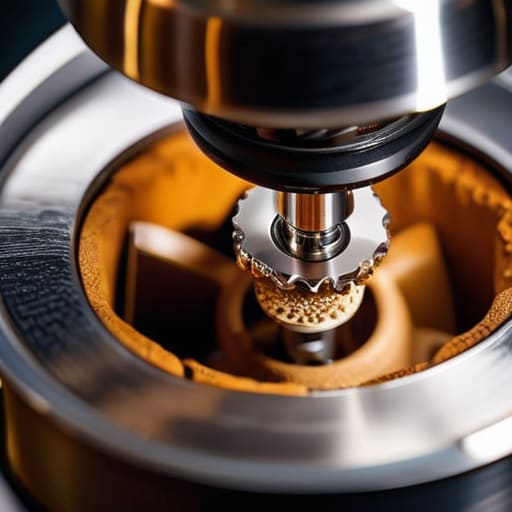
When you’re looking at the guts of a machine, you’ll inevitably run into the debate of ceramic vs steel burrs. After years of managing high-volume service, I’ve learned that there is no “perfect” material—only the right tool for the job you’re actually doing. Ceramic is popular because it stays cool during long sessions, which helps preserve those delicate oils, but it can be brittle. If you drop a ceramic component or use it incorrectly, it can chip, and those tiny shards are the last thing you want in your cup.
Steel, on the other hand, is the workhorse of the industry. It’s incredibly sharp and provides a much more consistent particle size, which is non-negotiable if you are searching for the best grinder for espresso. While steel can generate a bit more heat during heavy use, the precision it offers usually outweighs that concern for most home cooks. If you want a setup that feels substantial and reliable, I almost always lean toward steel. Just make sure you aren’t buying a cheap unit that lacks the stability to handle the torque.
Mastering Coarse vs Fine Grind Settings
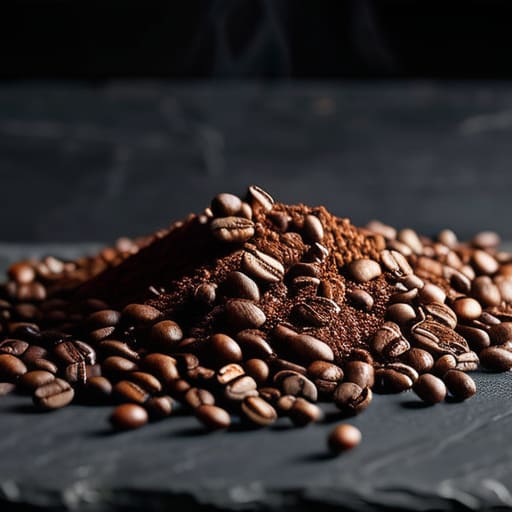
If you can’t control your grind, you’re just guessing, and guessing is a recipe for a bitter, undrinkable cup. Understanding coarse vs fine grind settings is the difference between a muddy mess and a clean, vibrant brew. When I was managing catering lines, we didn’t have time for trial and error; you had to get the texture right the first time. For a French press, you want something coarse, like sea salt, to prevent the silt from clogging your palate. If you go too fine there, you’ll end up with a cup that tastes like dirt.
On the other end of the spectrum, if you’re hunting for the best grinder for espresso, you need to be able to dial in a much finer, powdery consistency. This is where many people get frustrated—they think their equipment is broken when, in reality, they just haven’t mastered the adjustment mechanism. Whether you are working with a conical or flat burr setup, remember that even a tiny shift in the dial changes how water extracts the oils. Stop treating your settings like a suggestion; treat them like the science they are.
Five Rules for Keeping Your Grinder from Becoming Kitchen Junk
- Stop buying “all-in-one” machines that claim to do everything; if the motor feels flimsy and the plastic housing is thin, it’s going to burn out before you’ve even mastered your pour-over.
- Clean your burrs more often than you think you need to; coffee oils go rancid quickly, and if you aren’t clearing out that old, stale residue, your expensive beans will taste like cardboard no matter how fresh they are.
- Treat your grinder like a precision tool, not a blender; never force the adjustment dial if it feels stuck, or you’ll end up stripping the gears and turning a solid investment into a paperweight.
- Keep your beans in airtight, opaque containers away from the stove; heat and light are the enemies of flavor, and no amount of high-end grinding can fix a bean that’s already gone stale in your pantry.
- Invest in a small, dedicated scoop rather than eyeing the beans by hand; consistency in the amount of coffee you use is the first step toward a repeatable, reliable brew that doesn’t require guesswork.
Cut Through the Noise: My Three Golden Rules for Grinders
Stop chasing the cheapest option on the shelf; a heavy-duty burr grinder is an investment in your morning sanity, not just a kitchen gadget.
Don’t let the fancy settings fool you—the real skill is learning how to match your grind size to your specific brewing method so you aren’t wasting good beans.
Prioritize build quality over bells and whistles; I’d much rather have a sturdy, manual or electric machine that lasts twenty years than a plastic one that ends up in a landfill by next Christmas.
The Cost of Cutting Corners
I’ve seen enough cheap, plastic-toothed grinders end up in a landfill to know the truth: if you’re buying a machine that can’t handle a consistent grind, you aren’t just wasting money—you’re sabotaging your morning before the kettle even whistles.
Rosalind Hayter
Investing in Your Morning Ritual
At the end of the day, choosing a grinder isn’t about chasing the latest kitchen gadget or buying whatever looks sleek on a social media feed. It’s about understanding that the quality of your burrs—whether you opt for the durability of steel or the heat-resistance of ceramic—directly dictates the flavor in your cup. Once you master the relationship between your grind setting and your brewing method, you stop guessing and start actually enjoying your coffee. Don’t let a cheap, inconsistent machine turn your morning routine into a frustrating chore; prioritize mechanical reliability over aesthetic trends every single time.
I’ve spent decades in professional kitchens seeing how the right tool can transform a chaotic service into a seamless flow, and your home kitchen deserves that same level of respect. A good grinder is a foundational piece of equipment, much like a well-seasoned cast iron skillet, that should serve you for years rather than months. Stop settling for the mediocre, pre-ground stuff or the disposable plastic junk that ends up in a landfill by next season. Buy something that feels heavy in your hand and works exactly how it’s supposed to. When you invest in the right gear, you aren’t just buying a tool—you’re investing in a better daily habit.
Frequently Asked Questions
How often do I actually need to clean the burrs to keep my coffee from tasting bitter or stale?
If you’re noticing a bitter, burnt taste in your cup, your burrs are likely choked with old oils. I don’t believe in overcomplicating things: give them a thorough dry brush once a week. If you’re a heavy drinker or use oily beans, do a deep clean with a specialized cleaning pellet once a month. Don’t let rancid residue ruin a good roast; keep those blades clean and your coffee will stay bright.
Is it worth spending the extra money on an electric grinder, or can I get the same results with a reliable manual one?
Look, if you aren’t brewing coffee for a dozen people every morning, you don’t need to drop hundreds on an electric unit. A high-quality manual grinder will give you the exact same grind consistency as the expensive electric models, provided the burrs are decent. I’d much rather see you spend that extra cash on better beans or a solid cast iron skillet. Save the electricity; just be prepared to put in a little elbow grease.
How do I know if my grinder is actually producing a consistent grind or if it's just spitting out uneven chunks?
The easiest way to tell? Stop looking at the machine and start looking at the grounds. Spread a handful of your fresh grind onto a flat, white plate. If you see a mix of fine dust and large, jagged boulders, your grinder is failing you. A quality burr grinder should produce a uniform texture—think coarse sea salt for French press or fine sand for espresso. If it’s uneven, you’re just brewing inconsistent, bitter coffee.
