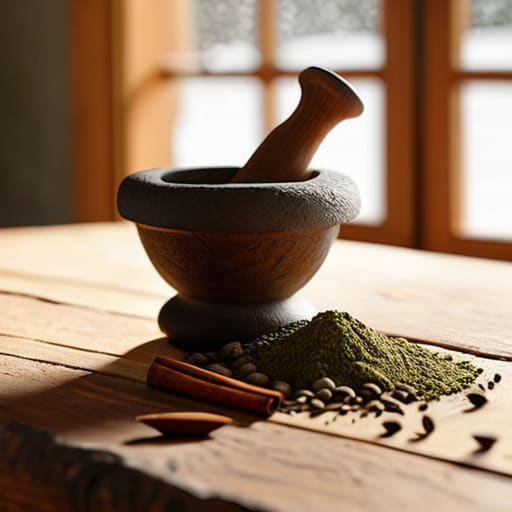
I spent two decades in high-pressure commercial kitchens, and if there is one thing I’ve learned, it’s that most modern “innovations” are just expensive ways to waste your time. I’m looking at you, those loud, plastic electric spice grinders that lose their edge after six months and leave your expensive peppercorns tasting like burnt dust. Every time I see someone toss a broken gadget into the landfill, I feel a little ache in my chest. If you actually want to unlock the soul of your spices, you need to stop chasing electricity and start looking at a grinding stone. It’s not fancy, it’s not high-tech, and it certainly won’t win any design awards, but it does something a motor never will: it preserves the essential oils that make food taste alive.
I’m not here to sell you on a lifestyle trend or some over-engineered kitchen gadget that will clutter your drawers by next Christmas. My goal is to give you the straight truth about how to select, use, and maintain a real grinding stone so it becomes a permanent fixture in your home. I’ll show you exactly what to look for in terms of weight and texture, ensuring you invest in a tool that actually lasts a lifetime.
Table of Contents
Why Granite Grinding Stone Durability Outlasts Modern Junk
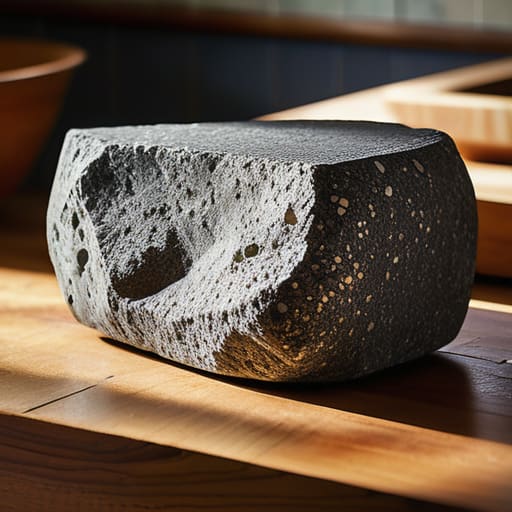
I’ve seen it all in commercial kitchens—rows of expensive, high-speed electric spice mills that end up in a landfill within eighteen months because a tiny plastic gear stripped out. That’s the problem with modern convenience; it’s built on a foundation of planned obsolescence. A granite grinding stone, however, is a different breed entirely. It doesn’t have a motor to burn out or a cord that frays. Because it relies on pure mass and friction, its granite grinding stone durability is virtually unmatched. You aren’t buying a gadget; you’re investing in a piece of geological history that will sit on your counter for decades.
Beyond just lasting longer, there is a functional superiority to these heavy tools. When you use a traditional mortar and pestle, you aren’t just pulverizing dried herbs into dust; you are crushing the cells to release the volatile oils. Electric blades often heat up the spices, which can actually cook off those delicate aromatics before they even hit the pan. By using manual techniques, you keep the temperature low and the flavor profile intact. It’s a bit more effort, sure, but the difference in your cooking is immediate.
Essential Kitchen Grinding Tools Worth Your Lifetime Investment
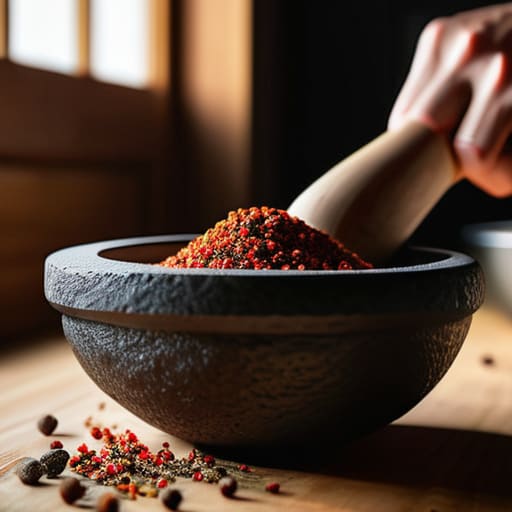
When I was managing commercial kitchens, I saw way too many sous chefs reach for electric grinders the second things got busy. They’re fast, sure, but they’re also loud, difficult to clean, and they kill the flavor. If you want to elevate your cooking, you need to look toward traditional mortar and pestle setups. A heavy stone set isn’t just a way to crush peppercorns; it’s about the tactile control you get over the texture. You can decide exactly how coarse or fine you want your aromatics to be, which is something a spinning blade simply can’t replicate.
The real secret, though, lies in preserving spice oils with stone rather than heat. Electric blades spin at high speeds, creating friction that generates heat, which prematurely evaporates those volatile oils that give spices their soul. By using manual techniques, you’re bruising the spices rather than shredding them. This slow, steady pressure releases the fragrance deep into the fibers. It takes a little more elbow grease, but the difference in your sauces and rubs will be immediately obvious. Invest in quality weight, and you’ll never go back to the plastic stuff.
How to Actually Use and Maintain Your Stone
- Stop overworking the stone; let the weight of the tool and your natural rhythm do the work rather than forcing it with brute strength.
- Keep your workspace bone-dry when you aren’t grinding, as trapped moisture can lead to unwanted mineral buildup or even mold in the pores of the stone.
- Clean your stone with nothing more than warm water and a stiff brush—throw the dish soap in the trash, as it will soak into the grain and ruin the flavor of your next batch of spices.
- Always grind your spices in small batches to prevent the stone from overheating, which can actually scorch the delicate oils in your peppercorns or cumin.
- Check your stone’s surface once a month; if it starts feeling too smooth or “glazed,” a light scuffing with a bit of coarse salt will reopen those pores and keep it effective.
The Bottom Line on Grinding Stones
Stop chasing the convenience of electric spice grinders that burn out in two years; a quality stone is a one-time purchase that works every single time.
Focus on the texture of your spices—manual grinding with stone preserves the essential oils and flavors that high-speed blades simply destroy.
Invest in materials like granite or basalt that can be cleaned, maintained, and passed down, rather than adding more plastic waste to your kitchen cabinets.
The Truth About Texture
“I’ve seen a thousand electric spice grinders end up in a landfill within two years, but a real granite grinding stone? That’s a tool that doesn’t just crush your spices—it respects them, and it’ll still be sitting on your countertop long after the gadgets have died.”
Rosalind Hayter
Making the Right Choice for Your Kitchen
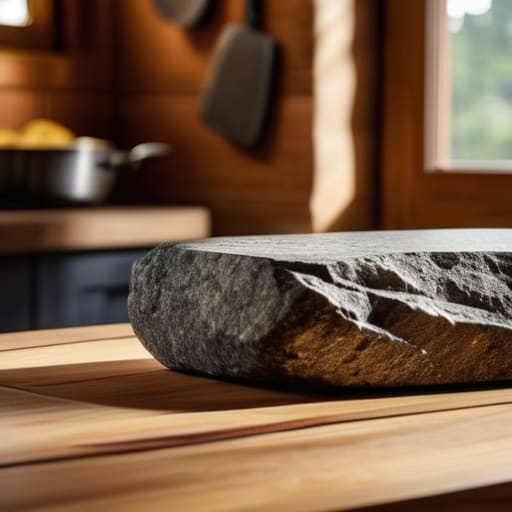
At the end of the day, choosing a grinding stone isn’t about following a culinary trend or filling a drawer with more plastic gadgets. It’s about recognizing that a solid granite stone offers a level of durability and texture that an electric motor simply cannot replicate. We’ve talked about why these stones outlast the cheap alternatives and why investing in quality tools now saves you from the cycle of constant replacement. When you stop chasing the latest kitchen gadget and start focusing on tools that actually work, you’re building a kitchen that serves you for decades rather than months.
I’ve spent enough time in commercial kitchens and organized homes to know that the best cooking happens when you slow down and respect your ingredients. Using a grinding stone forces you to be present, to feel the resistance of the spice, and to appreciate the process. It’s a small way to reclaim the art of cooking from the rush of modern life. Don’t just buy things because they’re convenient; buy them because they matter. Invest in the stone, master the habit, and you’ll find that the best flavors come from patience, not a power outlet.
Frequently Asked Questions
How do I know if my stone is actually high-quality granite or just a cheap, porous imitation?
Here’s the truth: if it feels light or looks unnaturally uniform, put it back. A real granite stone should have weight and a slight, natural texture. I always do the “drop test”—not literally, but a quick tap with a metal spoon. High-quality granite gives a solid, dense ring; cheap, porous imitations sound hollow or dull. Also, check the surface. If it absorbs water instantly like a sponge, it’s too porous and will trap old spices.
Is it worth the extra effort to hand-grind my spices when an electric grinder takes five seconds?
Look, if you’re just making a quick rub for a Tuesday night chicken breast, use the electric grinder. I’m not a purist for the sake of being difficult. But if you want to actually taste the difference, hand-grinding is non-negotiable. An electric blade shears spices into uneven dust, losing those volatile oils in the process. A stone crushes them, releasing a depth of flavor no motor can replicate. It’s about the quality of the meal, not just the speed.
How often do I actually need to resurface or clean the stone to keep it from getting gummed up with oils?
You don’t need to go overboard, but you can’t be lazy about it either. If you notice the surface feeling tacky or if your spices aren’t coming out as fine as they used to, that’s your cue. A quick scrub with warm water and a stiff brush once a month usually does the trick. If oils really build up, a light resurfacing with fine-grit sandpaper will bring that bite back. Keep it clean, keep it functional.
