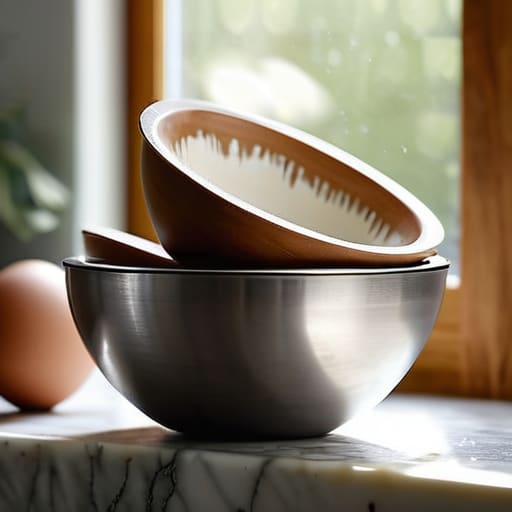
I’ve spent twenty years in commercial kitchens where the equipment was expected to survive a literal war zone, so nothing grates on my nerves quite like seeing those massive, twelve-piece “professional” mixing bowl sets sold in big-box stores. You don’t need ten different sizes of flimsy, neon-colored plastic that will inevitably stain from a single batch of tomato sauce or crack the moment you drop a whisk too hard. Most of those kits are just expensive clutter designed to take up your cabinet space while providing nothing but frustration. You aren’t a production line; you’re a person trying to make a decent meal, and you shouldn’t have to navigate a mountain of useless junk just to find a decent vessel for your batter.
I’m not here to sell you on a lifestyle or a trendy gadget that looks pretty on a countertop but fails in practice. Instead, I’m going to give you the straight truth about which materials actually hold up to heavy use and which ones are a waste of your hard-earned money. We’re going to strip away the marketing fluff and focus on finding the few, high-quality pieces that will actually serve you for a lifetime.
Table of Contents
The Truth About Food Grade Materials for Mixing
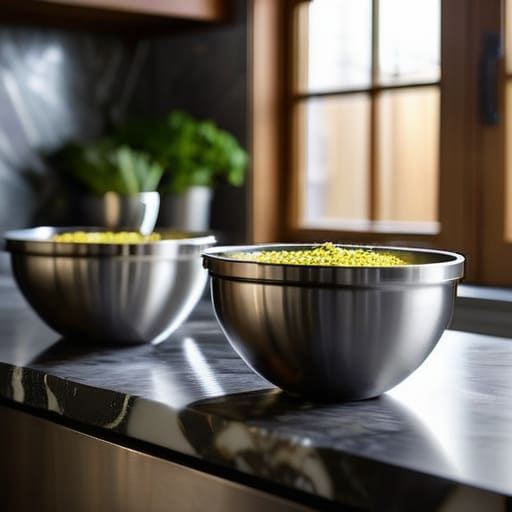
When you’re standing at a counter, you shouldn’t have to worry about chemicals leaching into your sourdough starter or your salad dressing. I’ve seen far too many people grab the cheapest colorful sets off a big-box store shelf, only to realize later that those plastics are prone to staining, odors, and—more importantly—degradation. If you want food grade materials for mixing that actually hold up, you need to look past the bright colors. Stainless steel is my gold standard; it’s non-reactive, virtually indestructible, and won’t harbor bacteria in microscopic scratches like older, cheap plastics do.
If you aren’t ready to go full stainless, glass is a decent runner-up, provided it’s tempered. It’s great for seeing exactly what’s happening with your ingredients, but it lacks the lightweight versatility I look for in professional chef equipment. My rule of thumb is simple: if a material feels thin or looks “waxy,” leave it on the shelf. Invest in heavy-duty metals or thick glass that feel substantial in your hands. It’s better to own three pieces of high-quality gear than a dozen pieces of junk that end up in a landfill by next year.
Why Durable Kitchen Essentials Outperform Trendy Plastic
I’ve seen it a thousand times in commercial kitchens and in clients’ homes: someone buys a cheap, neon-colored set of plastic bowls because they look good in a social media photo, only to have them crack or stain within six months. Those trendy sets are essentially disposable. When you invest in durable kitchen essentials, you aren’t just buying a tool; you’re buying peace of mind. Real quality means the weight feels right in your hands and the material won’t leach strange odors into your dough after a single use of lemon juice or turmeric.
The real problem with the cheap stuff is that it lacks stability. There is nothing more frustrating than trying to whip up a delicate meringue only to have your bowl skitter across the counter like it’s on ice. I always tell people to look for non-slip bottom mixing bowls or heavy-duty stainless steel options that stay put while you work. If you want a kitchen that actually functions, stop chasing the latest aesthetic and start prioritizing gear that can survive a lifetime of heavy use.
My Rules for Choosing a Set That Won't End Up in a Landfill
- Stop buying those multi-piece sets where the bowls are nested so tightly they’re impossible to separate. Look for sets with a bit of breathing room or individual stacking capability so you aren’t fighting your own cupboard every time you need to whisk an egg.
- If you go with stainless steel, make sure they have a heavy-gauge construction. I’ve seen too many “professional” sets that dent if you look at them wrong; you want something with enough weight to stay put on the counter while you’re working.
- Avoid anything with built-in silicone bases if you hate cleaning. They look helpful in the store, but once food gets trapped in the seam between the silicone and the bowl, you’ll be scrubbing for twenty minutes just to get it sanitary.
- Size matters more than quantity. Most people don’t need five different sizes; they need one massive bowl for tossing salads or dough, one medium one for prep, and one small one for whisking. Don’t let a retailer talk you into a seven-piece set of useless tiny bowls.
- Check the rim. A flared or rolled rim makes pouring much cleaner and prevents that annoying drip that runs down the side of the bowl and onto your countertop. It’s a small detail, but it’s the difference between a smooth prep and a messy one.
My Golden Rules for Choosing Bowls
Stop buying those cheap, multi-piece plastic sets that come in every color under the sun; they crack, they stain, and they’ll be in a landfill within two years.
Stick to stainless steel or heavy-duty glass—materials that won’t leach chemicals into your dough and can actually withstand a lifetime of heavy whisking.
Prioritize nesting sets that actually nest without getting stuck, ensuring you’re saving precious cabinet space rather than creating a cluttered mess.
## The Cost of Cheap Bowls
“I’ve seen enough cracked, stained plastic sets end up in landfills to know that a ‘bargain’ mixing bowl is actually a waste of money. If you can’t wash it, stack it, and rely on it to hold a heavy dough without flexing, it doesn’t belong in a functional kitchen.”
Rosalind Hayter
Making the Right Choice for Your Kitchen
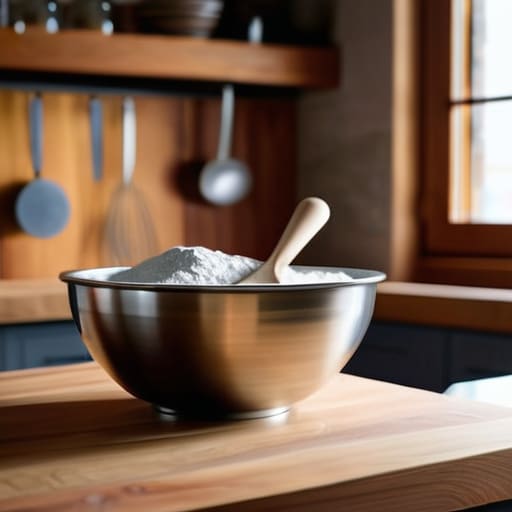
At the end of the day, choosing a mixing bowl set isn’t about finding the prettiest set on a social media feed; it’s about understanding what will actually survive your daily workflow. We’ve talked about why you need to steer clear of those flimsy, lightweight plastic sets that stain and crack, and why investing in high-quality stainless steel or heavy-duty glass is the only way to go if you want tools that stand the test of time. Whether you are whisking a delicate meringue or folding flour into a heavy dough, the weight and stability of your bowls matter. Stop settling for disposable kitchenware that ends up in a landfill every two years and start building a collection that works as hard as you do.
My advice is simple: look at your kitchen as a workspace, not a showroom. When you buy tools that are built to last, you aren’t just saving money in the long run—you’re removing the small, daily frustrations that get in the way of the joy of cooking. A solid set of bowls is a quiet, reliable foundation for every meal you prepare. Once you have the right essentials in your cupboards, you can stop worrying about your gear and start focusing on the food. Build your kitchen with intention and purpose, and I promise you’ll find that the cooking process becomes much more seamless.
Frequently Asked Questions
Are stainless steel bowls actually better for whisking, or am I just paying for the durability?
It’s not just about the durability, though that’s a massive part of it. When you’re whisking egg whites or heavy cream, you need a surface that won’t flex or warp under pressure. Plastic bowls can bow slightly, which messes with your technique. Stainless steel is rigid and stays stable on the counter. Plus, they don’t retain odors or stains from garlic or turmeric. You’re paying for stability and hygiene, not just longevity.
How do I know if a glass bowl is tempered enough to handle temperature changes without cracking?
Look, I’ll be blunt: there’s no way to tell just by glancing at a bowl if it’s truly tempered. If you’re worried about thermal shock, stop buying those cheap, thin glass sets from big-box retailers. Look for borosilicate glass—it’s what labs use because it handles temperature swings without shattering. If the label doesn’t explicitly say “borosilicate” or “oven-safe,” don’t risk it. I’d rather have one heavy-duty glass bowl than a cabinet full of fragile ones.
Is it worth buying a nesting set, or should I just pick out individual sizes that fit my specific prep style?
Look, if you’re a baker who needs a specific ratio of flour to sugar, a pre-set nesting kit is fine. But most people find themselves stuck with one bowl that’s too big for whisking eggs and another that’s too small for a salad. I prefer picking out individual sizes. It prevents that cluttered drawer syndrome and ensures every bowl you actually own serves a real purpose in your workflow. Don’t buy for the sake of a “set.”
