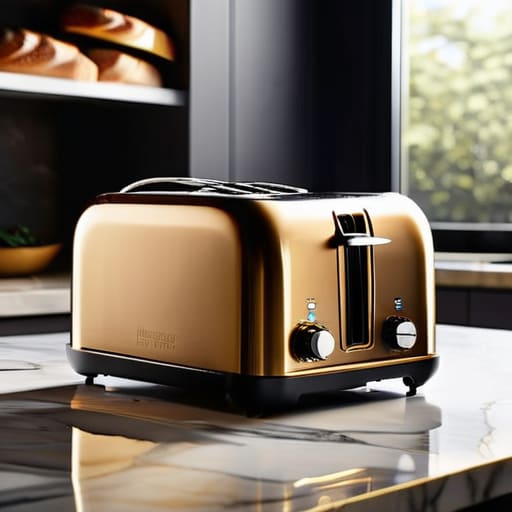
I spent two decades in commercial kitchens where every piece of equipment had to earn its keep, and if it couldn’t handle a rush, it was gone. So, when I walk into a big-box store and see rows of high-tech, gadget-filled toaster oven models that look more like spaceships than cooking tools, I can’t help but roll my eyes. Most of these machines are nothing more than expensive, plastic-heavy distractions designed to clutter your counter and fail you within eighteen months. You don’t need a digital touchscreen or a built-in Bluetooth connection to crisp up a piece of sourdough or melt some cheese; you just need something that holds heat consistently and won’t fall apart the moment things get busy.
I’m not here to sell you on the latest shiny trend or help you justify a purchase that’s going to end up in a landfill by next Christmas. My goal is to help you find a reliable workhorse—the kind of appliance that actually functions the way it’s supposed to, day in and day out. I’m going to cut through the marketing fluff and give you the straight truth on what to look for in terms of build quality and heat distribution, so you can invest once and cook well for years to come.
Table of Contents
- Toaster Oven vs Traditional Oven Choosing the Right Workhorse
- Best Countertop Convection Ovens That Actually Last
- Stop Guessing and Start Cooking: 5 Rules for Using Your Toaster Oven
- The Bottom Line: What to Look for Before You Buy
- Stop Buying Gadgets, Start Buying Tools
- Making the Right Investment
- Frequently Asked Questions
Toaster Oven vs Traditional Oven Choosing the Right Workhorse
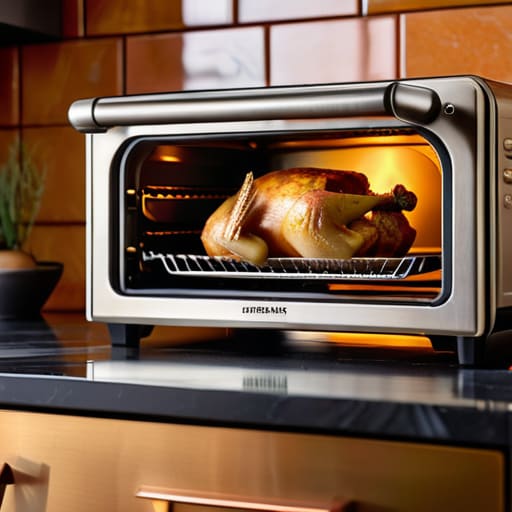
I’ve spent enough time in commercial kitchens to know that size isn’t everything, but efficiency is. When people ask me about the toaster oven vs traditional oven debate, they’re usually trying to decide if they can actually ditch the big beast in the wall. If you’re hosting a Thanksgiving dinner for twelve, you need that full-sized range. Period. But for the Tuesday night scramble—roasting a chicken, melting cheese on a sandwich, or reheating leftovers without turning them into rubber—a high-quality countertop unit is often the smarter, more agile choice.
For my clients living in studios or those with cramped layouts, finding a compact oven for small apartments isn’t just about saving counter real estate; it’s about thermal efficiency. A massive oven takes a ridiculous amount of energy just to preheat for a single tray of cookies. By using a smaller, more targeted heat source, you’re practicing better kitchen management. If you opt for one of the best countertop convection ovens on the market, you’re getting a tool that mimics a professional oven’s airflow without the massive footprint or the wasted electricity.
Best Countertop Convection Ovens That Actually Last
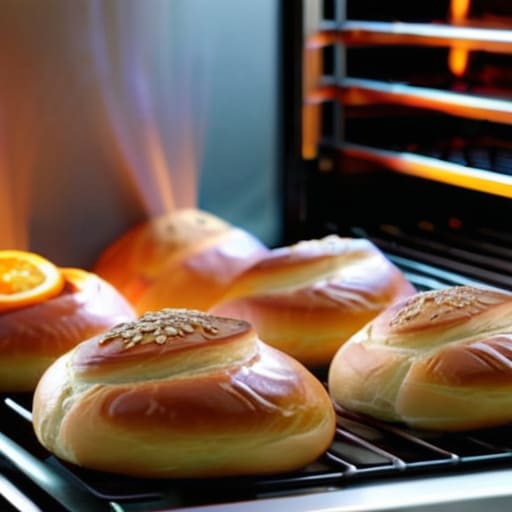
When you’re looking for the best countertop convection ovens, you have to look past the shiny-looking plastic shells and focus on the heating elements and airflow. I’ve seen too many people buy a cheap unit only to have it heat unevenly, leaving one side of their tray burnt and the other raw. If you want something that actually performs, look for models with a heavy-duty stainless steel interior. A solid convection fan is non-negotiable; it’s what transforms a basic heating box into a legitimate culinary tool that can mimic a full-sized range.
If you are working with limited square footage, a compact oven for small apartments doesn’t have to mean sacrificing power. I always tell my clients to prioritize versatility. Instead of buying a dedicated air fryer and a separate heating unit, find a model with integrated air fry toaster oven features. This saves precious counter real estate without forcing you to compromise on your cooking habits. Look for heavy-duty dials rather than cheap touchscreens if you want something that won’t glitch out after six months of daily use.
Stop Guessing and Start Cooking: 5 Rules for Using Your Toaster Oven
- Stop relying on the manufacturer’s temperature settings. Every unit runs a little differently, so grab a cheap oven thermometer to see if your “350 degrees” is actually 325 or 375. It’ll save you from a dozen burnt batches.
- Size matters more than you think. Don’t just buy the biggest one that fits your counter; make sure you have enough vertical clearance so your roasting pan doesn’t sit too close to the heating elements.
- Ditch the aluminum foil whenever possible. It can flake off or even catch on the heating elements in smaller units. Invest in a set of high-quality, reusable silicone baking mats instead.
- Treat your heating elements with respect. If you see crumbs or grease buildup on the coils, clean them immediately. Neglect leads to smoke, smells, and eventually, a piece of equipment that’s more of a fire hazard than a tool.
- Use the convection setting for everything that needs a crunch. If your model has a fan, use it. It circulates the heat much more efficiently than a standard toaster oven, which is the whole point of having one in the first place.
The Bottom Line: What to Look for Before You Buy
Prioritize convection over basic heating elements; if you want even browning and faster results, don’t settle for a model that lacks a reliable fan.
Ignore the flashy digital displays and “smart” features that will inevitably break; look for heavy-duty build quality and simple controls that can withstand daily use.
Size matters more than you think—measure your counter space and your largest baking sheet before committing, because a cramped oven is a useless oven.
Stop Buying Gadgets, Start Buying Tools
“A toaster oven shouldn’t be another piece of plastic clutter taking up precious counter space; it should be a reliable, heavy-duty workhorse that handles your daily meals so you aren’t heating up your entire house just to melt some cheese or crisp up a piece of salmon.”
Rosalind Hayter
Making the Right Investment
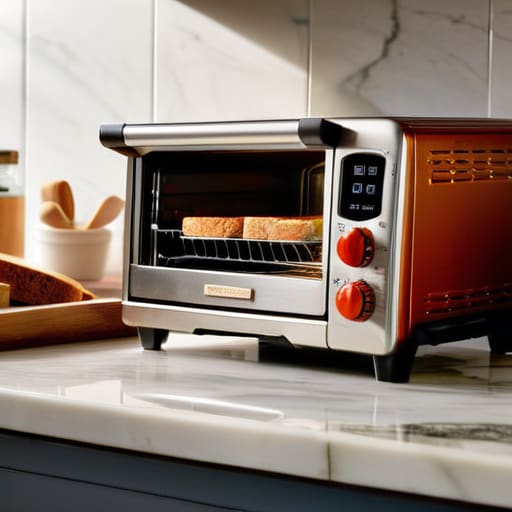
At the end of the day, choosing a toaster oven isn’t about finding the one with the most buttons or the sleekest digital display. It’s about deciding which machine is actually going to earn its place on your counter. We’ve talked about why a convection model is often the better workhorse for daily tasks and why you should prioritize build quality over flashy features. Whether you’re using it to crisp up a piece of sourdough or roast a small batch of vegetables, you need a tool that delivers consistent heat without failing you six months down the road. Don’t let the marketing fool you into buying a gadget that’s essentially glorified plastic; invest in a machine that functions as a reliable extension of your kitchen.
My advice is simple: stop looking for the “perfect” oven and start looking for the right tool for your habits. A kitchen is a living, breathing space, and it only works if the tools inside it serve your real life, not some idealized version of it you saw on social media. Once you have a solid, heavy-duty oven in place, the rest of the magic comes from how you use it. Buy things that last, maintain them with care, and focus on the cooking itself. A good piece of equipment is a foundation, but your habits are what actually turn a kitchen into a home.
Frequently Asked Questions
Is a convection toaster oven actually worth the extra money, or is it just another marketing gimmick?
It’s not a gimmick, but you need to understand why you’re paying for it. A standard toaster oven just sits there and radiates heat; a convection model uses a fan to circulate that heat around your food. This means more even browning and faster cooking times. If you’re just reheating a slice of pizza, skip it. But if you want to actually roast vegetables or crisp up a chicken thigh, that extra investment is worth every penny.
How do I keep my countertop from getting trashed by the heat coming off a heavy-duty oven?
Look, if you’re investing in a heavy-duty machine, you can’t let it ruin your countertops. First, stop pushing it right against the backsplash; you need at least four inches of breathing room for heat dissipation. I always recommend a heat-resistant silicone mat or even a thin piece of tempered glass underneath. It’s a simple barrier that protects your stone or wood from thermal shock and grease splatter. Don’t let a good tool become a liability.
Can I actually roast a whole chicken in one of these, or am I going to end up with a burnt mess?
You absolutely can, but don’t just toss it in and walk away. A decent convection toaster oven has more than enough power to roast a small-to-medium bird, provided you use a heavy-duty roasting pan to catch the drippings. The key is using the convection setting to circulate that heat evenly. Just keep an eye on it; because the heating elements are closer to the food than a standard oven, you’ll want to watch for skin that browns a little too quickly.
