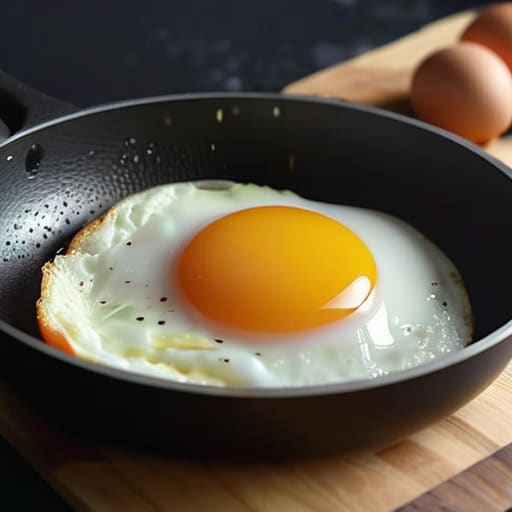
I spent twenty years in commercial kitchens, and if there’s one thing that drives me up the wall, it’s seeing people pour hard-earned money into a “premium” nonstick frying pan that starts flaking off like old paint after just three months of use. I’ve watched countless home cooks get seduced by flashy, high-priced sets from big-box stores, only to find themselves scraping burnt egg residue off a useless piece of junk by next season. It’s a cycle of wasteful spending that honestly makes my blood boil, especially when most of those pans aren’t even built to handle a decent amount of heat.
I’m not here to sell you on some miracle coating or a trendy gadget that’s going to end up in a landfill by Christmas. My goal is to give you the straight truth based on decades of professional experience and a healthy dose of skepticism. I’m going to show you exactly what to look for in a nonstick frying pan that actually holds its integrity, how to care for it so it doesn’t become a paperweight, and when you should just walk away from the hype.
Table of Contents
- Ptfe vs Ceramic Coating Choosing Tools That Last
- Safe Cooking Temperatures for Nonstick to Avoid Damage
- Five Rules for Keeping Your Nonstick from Quitting on You
- The Bottom Line on Your Nonstick Investment
- ## The Truth About Your Nonstick Investment
- Making the Right Call for Your Kitchen
- Frequently Asked Questions
Ptfe vs Ceramic Coating Choosing Tools That Last
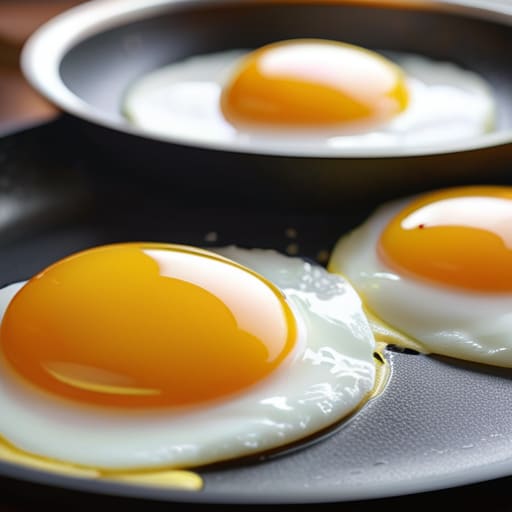
When you’re standing in the kitchenware aisle, you’re going to see two big labels: PTFE and ceramic. Most people think they’re interchangeable, but they behave completely differently once they hit your stove. PTFE (the traditional Teflon-style coating) is the gold standard if you’re looking for the best nonstick pan for eggs or delicate fish. It offers that slick, effortless glide we all want. However, you have to be disciplined about safe cooking temperatures for nonstick surfaces; if you crank the heat too high, you risk damaging the coating and releasing fumes.
Ceramic is the “natural” alternative, often marketed as being safer and more eco-friendly, but here’s the truth from someone who’s seen a thousand commercial kitchens: ceramic tends to lose its slipperiness much faster than PTFE. It’s prone to “pitting,” where the surface becomes textured and food starts to cling. If you choose ceramic, you have to be even more careful with preventing food from sticking by using minimal oil and avoiding abrasive scrubbers. Personally, I’d rather have a reliable PTFE pan that I treat with respect than a ceramic one that fails me in six months.
Safe Cooking Temperatures for Nonstick to Avoid Damage
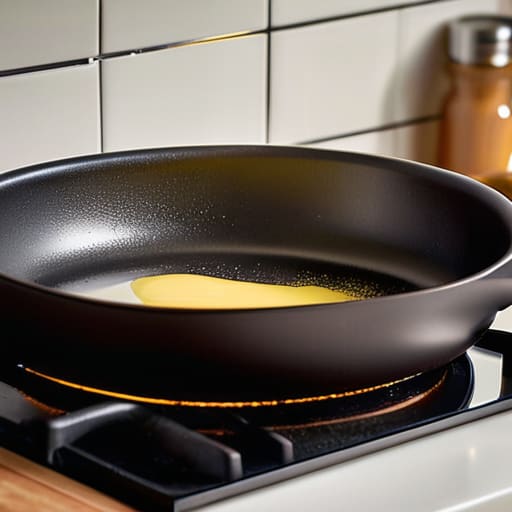
Here is the golden rule of nonstick: heat is your biggest enemy. I’ve seen far too many people treat these pans like cast iron, cranking the burner to high to “speed things up.” That is a recipe for disaster. Most coatings begin to degrade long before you see visible damage, and once that surface starts to break down, you’re just cooking in a compromised tool. To ensure safe cooking temperatures for nonstick, you need to keep things on low to medium heat. If you see wisps of smoke coming off the pan, you’ve already gone too far.
If you are looking for the best nonstick pan for eggs, you really don’t need high heat to get a perfect result. Eggs are delicate; they need gentle, even warmth to cook through without becoming rubbery. Using excessive heat doesn’t just ruin the coating; it actually causes the food to bond to the surface, making your job much harder. Stick to medium heat for most tasks, and if you find yourself needing to sear a steak or roast vegetables at high temperatures, put the nonstick away and grab a stainless steel or cast iron pan instead.
Five Rules for Keeping Your Nonstick from Quitting on You
- Ditch the metal utensils immediately. I’ve seen too many people ruin a perfectly good pan in a single week by scraping it with a stainless steel spatula. Use silicone or wood; if you scratch the surface, you’ve already lost the battle.
- Stop preheating your pan on high heat. I know it’s tempting to get things sizzling fast, but high heat is the fastest way to degrade the coating. Medium heat is your best friend; let the pan do its job steadily rather than forcing it.
- Never, and I mean never, put a hot pan straight into the sink. Thermal shock will warp the base and cause the coating to flake. Let it cool down on the counter before you even think about touching it with water.
- Hand wash only. I don’t care what the box says about being “dishwasher safe.” The harsh detergents and high-pressure spray in a dishwasher are designed to strip things away, and your nonstick coating is no exception.
- Watch for the “sticky” stage. If you notice eggs starting to cling to the surface even when you’re using minimal oil, the coating is dead. Don’t try to scrub it back to life; that’s your signal to retire the pan and get a new one.
The Bottom Line on Your Nonstick Investment
Stop chasing the lowest price tag; a cheap pan that loses its coating in three months is just expensive trash.
Respect the heat limits of your coating to prevent damage and keep your kitchen safe.
Treat your nonstick gear as a specialized tool for specific jobs, not a catch-all for every heavy-duty sear you want to attempt.
## The Truth About Your Nonstick Investment
“Look, if you’re buying a nonstick pan just to chase a trend, you’re going to end up with a drawer full of scratched-up, useless metal. Buy a pan that actually releases an egg without a fight, treat it like a professional tool rather than a disposable gadget, and stop expecting a ten-dollar pan to do a fifty-dollar job.”
Rosalind Hayter
Making the Right Call for Your Kitchen
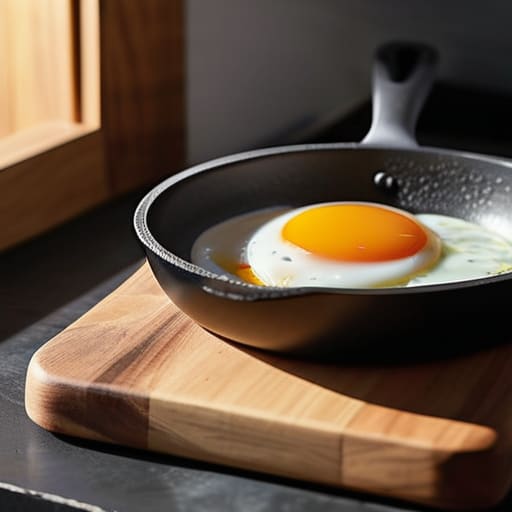
At the end of the day, choosing a nonstick pan isn’t about finding the flashiest brand on a social media ad; it’s about understanding what you’re bringing into your home. We’ve covered the real differences between PTFE and ceramic, and more importantly, how to respect the limits of your gear by watching your heat levels. If you treat your cookware with a bit of respect—avoiding metal utensils and those high-heat scorches—you’ll get years of use out of it instead of tossing it in the landfill every six months. Remember, a pan is only as good as the maintenance you provide and the quality of the coating you choose to start with.
I know it’s tempting to just grab whatever is on sale at the big-box store, but I’m asking you to take a breath and think about your future self. A kitchen should be a place of ease, not a graveyard for broken, peeling pans that make you dread making breakfast. Invest in a tool that actually performs, treat it like the professional equipment it is, and you’ll find that cooking becomes less of a chore and more of a rhythm. Stop chasing the trends and start building a foundation of reliable tools that actually work for you.
Frequently Asked Questions
How do I know when my nonstick pan is actually worn out and needs to be tossed?
Look, I’m not one for throwing things away just because they look a little tired, but there’s a line between “well-loved” and “dangerous.” If you notice food starting to cling to the surface despite using minimal oil, the coating is failing. More importantly, if you see any visible scratches, flaking, or discoloration, it’s time. Don’t try to “save” a peeling pan; once that coating starts coming off in your food, toss it.
Can I use metal utensils with these pans, or am I just asking for scratches?
If you’re using metal utensils, you aren’t just asking for scratches—you’re actively destroying the pan. I’ve seen too many people toss a heavy steel spatula against a nonstick surface, and within a week, the coating is flaking off in chunks. It’s a waste of money. Stick to silicone or wood. They’re easy to clean, they won’t gouge the surface, and they actually let you focus on the food instead of the damage.
Is it worth it to buy a more expensive brand, or are they all basically the same?
Look, I’ve seen enough commercial kitchens to know that “cheap” usually ends up being more expensive in the long run. When you buy those budget brands, you’re paying for a pan that’ll lose its glide in three months. A higher price tag usually means better construction—thicker cores that prevent warping and more durable coatings. Don’t buy the name for the sake of luxury; buy it for the build quality. Invest once, rather than replacing junk every season.
