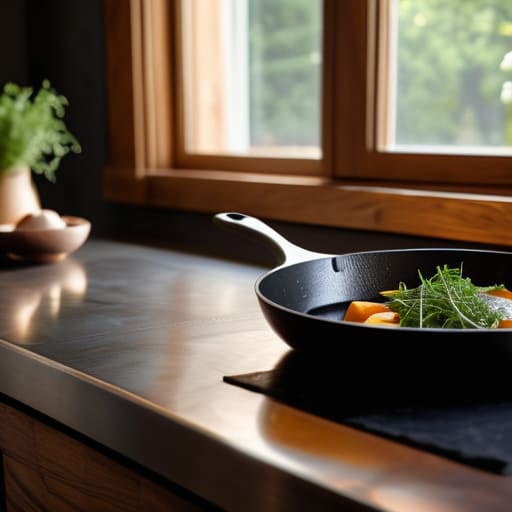
I spent twenty years in commercial kitchens where the sound of a heavy pan hitting a burner was the heartbeat of the room, and let me tell you, nothing kills a cook’s spirit faster than a flimsy, overpriced piece of “designer” cookware that warps the first time it hits high heat. I see it all the time now in home kitchens: people dropping hundreds of dollars on trendy, colorful pans that promise the world but die within a year. Most advice regarding skillet selection is buried under layers of marketing fluff and unnecessary complexity, designed to make you feel like you need a chemistry degree just to sear a steak. It’s a scam, and frankly, it’s exhausting.
I’m not here to sell you on a lifestyle or a flashy gadget you’ll end up hiding in the back of a cluttered cabinet. My goal is to cut through the noise and give you the practical, hard-earned truth about what actually belongs in your kitchen. I’ll show you how to navigate skillet selection based on durability and performance, not pretty packaging. We’re going to focus on the tools that can handle a lifetime of heat and heavy use, so you can stop wasting money and start actually cooking.
Table of Contents
- Cast Iron vs Stainless Steel Choosing Your Lifetime Companion
- Understanding Heat Conductivity in Pans for Better Cooking
- Five Rules for Buying a Skillet That Won't End Up in a Landfill
- My Rules for a Kitchen That Actually Works
- The Real Cost of a Cheap Pan
- Making the Right Call
- Frequently Asked Questions
Cast Iron vs Stainless Steel Choosing Your Lifetime Companion
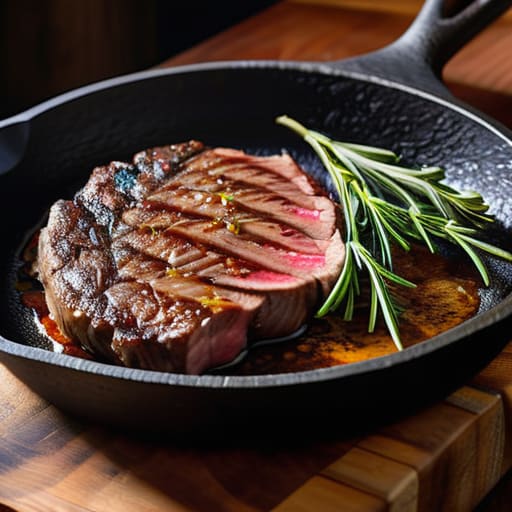
I’ve spent enough hours in commercial kitchens to know that the “which is better” debate is usually a distraction. The truth is, you don’t need to choose one; you need to know when to reach for each. When I’m searing a thick ribeye or making cornbread, I’m grabbing my seasoned cast iron every single time. It holds heat like a beast, which is vital for that perfect crust, and unlike those cheap pans you see in big-box stores, it doesn’t have a nonstick coating longevity issue because it doesn’t have a coating at all. It’s just iron and oil, and it’ll outlive us both.
However, if you’re making a delicate pan sauce or boiling something acidic like a tomato reduction, cast iron is your enemy. That’s where stainless steel shines. When comparing cast iron vs stainless steel, you have to look at how they handle heat. Stainless steel offers superior control for precision work, even if the heat conductivity in pans feels a bit more temperamental if you aren’t paying attention. Invest in a high-quality stainless skillet for your sauces, and keep the iron for the heavy lifting.
Understanding Heat Conductivity in Pans for Better Cooking
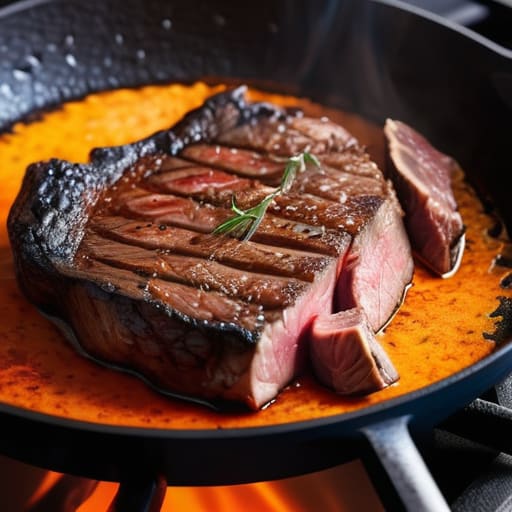
If you don’t understand how heat moves through your pan, you’re going to end up with a meal that’s burnt on the outside and raw in the middle. This is where most home cooks stumble. You have to realize that heat conductivity in pans isn’t just a science term; it’s the difference between a perfect sear and a smoky mess. When I was managing commercial kitchens, we didn’t just pick pans because they looked pretty; we picked them based on how they responded to the flame.
Copper and aluminum are the speed demons of the kitchen—they heat up and cool down almost instantly. This is great for delicate sauces where precision is everything. However, if you’re looking for durable cookware for everyday use, you need to understand the trade-off. Heavy materials like cast iron have much lower conductivity, meaning they take longer to get hot, but they hold onto that heat like a grudge. Once that iron is up to temperature, it stays there, providing a steady, even heat that won’t drop the moment you toss in a cold steak. It’s all about matching the tool to the task.
Five Rules for Buying a Skillet That Won't End Up in a Landfill
- Check the weight before you commit. A skillet that feels like a toy isn’t going to hold heat properly; you want something with enough heft to sit steady on the burner and distribute temperature evenly.
- Ignore the “non-stick” marketing hype. Most of those chemical coatings start peeling within six months. If you want a pan that actually lasts, stick to seasoned cast iron or high-quality stainless steel.
- Look for a flat bottom, not a rounded one. I’ve seen too many cheap pans with slightly bowed bases that wobble on a glass cooktop. If it doesn’t sit flush, you’re losing heat and wasting energy.
- Mind the handle design. If the handle is too thin, it’ll dig into your palm when you’re trying to flip something heavy. If it’s too wide, it might not fit comfortably in your grip. Test the ergonomics if you can.
- Don’t buy a massive set when one good pan will do. Most people don’t need a five-piece skillet collection. Pick one heavy-duty 10 or 12-inch pan that can handle everything from a morning omelet to a Sunday sear.
My Rules for a Kitchen That Actually Works
Stop chasing trends and start looking at weight; a quality skillet should feel substantial in your hand, not like a cheap piece of stamped tin.
Match the pan to the task, not the marketing—use stainless steel when you need precision and control, and save the cast iron for the heavy lifting and high heat.
Prioritize durability over convenience; I’d much rather spend more upfront on a piece of cookware that lasts thirty years than replace a “convenient” non-stick pan every twelve months.
The Real Cost of a Cheap Pan
“A skillet isn’t a gadget you swap out when the coating peels; it’s a tool you earn through years of use. If you’re buying a pan that you expect to toss in a year, you aren’t investing in your kitchen—you’re just subsidizing a landfill.”
Rosalind Hayter
Making the Right Call
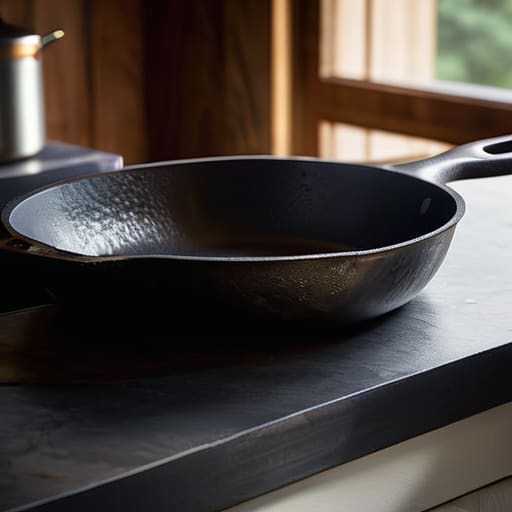
At the end of the day, choosing a skillet isn’t about following the latest kitchen trend or buying the most expensive set on the shelf. It’s about understanding how heat moves through your food and matching that to the material that fits your lifestyle. Whether you decide on the rugged, seasoned reliability of cast iron or the precise, responsive control of stainless steel, make sure you are buying for longevity rather than convenience. Don’t get distracted by flashy coatings that will flake off in six months; focus on the weight, the heat distribution, and the build quality. If you invest in tools that can actually handle the heat, you won’t find yourself replacing them every single year.
Once you have that perfect pan sitting on your stovetop, the real work begins. A great skillet is a partner, not a magic wand, and it only performs as well as the person wielding it. I’ve spent decades in professional kitchens, and I can tell you that the most expensive pan in the world won’t save a cook who lacks patience or technique. Master your heat, learn how your specific tools react to the flame, and treat your gear with respect. If you do that, you aren’t just building a kitchen; you are building a foundation for a lifetime of good meals.
Frequently Asked Questions
Do I really need a specialized pan for every type of food, or can one good skillet do it all?
Look, I see people cluttering their cabinets with single-use gadgets every single day, and it drives me crazy. No, you don’t need a specialized pan for every recipe. If you invest in one high-quality, heavy-bottomed skillet, you can handle about eighty percent of your cooking. A good pan is a workhorse, not a collection of trophies. Buy one that does the job well, and stop letting “specialty” marketing dictate your kitchen layout.
How much weight should I actually be looking for in a pan before it becomes more of a workout than a tool?
Look, I’ve seen too many people buy a heavy-duty skillet only to let it gather dust because their wrists can’t handle the lifting. You want heft—it means better heat retention—but it shouldn’t feel like you’re lifting a dumbbell. For a standard 10-inch pan, aim for something between 3 and 5 pounds. If you can’t comfortably maneuver it from the stovetop to the sink, it’s not a tool; it’s a burden.
Is it worth the extra money to buy a brand-name skillet, or am I just paying for a fancy logo?
Look, I’ve seen enough “bargain” pans end up in a landfill to know the truth. You aren’t just paying for a logo; you’re paying for the quality of the metal and the precision of the construction. A cheap, thin skillet warps the moment it hits high heat, and once that happens, it’s trash. If a brand name means better heat distribution and a handle that won’t snap off, it’s an investment, not an ego trip.
