I’ve spent twenty years in commercial kitchens where time is money and a dull tool is a liability, so nothing irritates me more than seeing a kitchen drawer stuffed with cheap, flimsy gadgets. You’ll see them in every big-box store: those colorful, plastic-handled contraptions that promise to do everything from zesting lemons to shredding cheese, yet they all end up in the landfill within six months. Most people think they need a dozen different grater varieties to handle every recipe, but honestly? That’s just expensive clutter that gets in your way when you’re actually trying to cook a real meal.
I’m not here to sell you on the latest gadget or some high-tech electric nonsense you’ll use exactly once. Instead, I’m going to show you which professional-grade tools are actually worth your hard-earned money and which ones are just marketing hype. I’ll break down the few essential pieces you truly need to handle everything from hard parmesan to delicate citrus, focusing on durability and real-world function. Let’s cut through the noise and build you a kit that actually works.
Table of Contents
Stainless Steel Kitchen Tools Worth the Investment
If you’re going to spend your hard-earned money on anything, make it stainless steel kitchen tools. I’ve seen enough cheap, coated metal peel and flake into food during my years in commercial kitchens to know that durability isn’t a luxury—it’s a necessity. A high-quality stainless steel grater won’t rust, won’t bend under pressure, and won’t end up in a landfill after six months of heavy use.
When it comes to actual utility, you really only need two reliable pieces. First, a sturdy box grater is your workhorse for the heavy lifting, like handling blocks of cheddar or large carrots. However, if you want to elevate your cooking, you need to understand the difference between a box grater vs microplane. While the box grater is perfect for fine vs coarse shredding of vegetables and cheese, a microplane is indispensable for delicate tasks. I use mine daily for everything from grating fresh ginger to perfecting my citrus zesting techniques. Skip the electric nonsense; a manual, heavy-duty tool gives you the control you need and will likely outlive the house you’re cooking in.
Manual vs Electric Graters Why Simplicity Wins
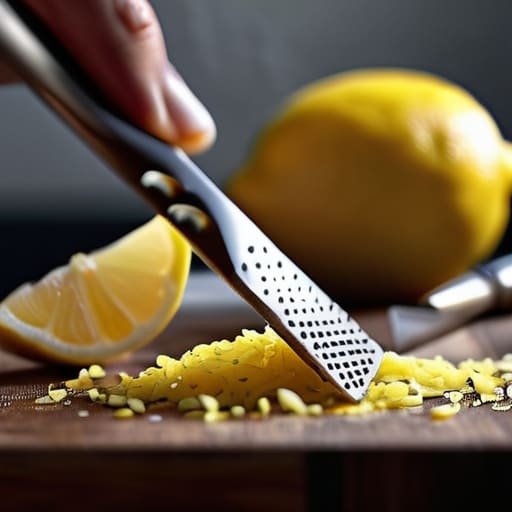
I see people dragging bulky, motorized graters out of their pantry once a year, only to let them gather dust because they’re a nightmare to clean. When it comes to the debate of manual vs electric graters, my professional opinion is simple: stick to the manual tools. Electric versions take up precious counter space and often lack the precision you need for delicate tasks. If you want to master professional-level citrus zesting techniques or finely grate a block of aged Parmesan, a motor is just going to create a mess and uneven chunks.
A high-quality manual setup gives you total control over your texture. Whether you are looking for fine vs coarse shredding for a batch of hash browns or a light dusting of nutmeg, your hands provide the tactile feedback a machine can’t match. I’ve seen too many “time-saving” gadgets end up in the landfill because they were more trouble than they were worth. Buy one solid box grater and a dedicated microplane; they’ll last you decades and won’t require a dedicated electrical outlet just to shave a bit of ginger.
My Rules for Choosing a Grater You’ll Actually Keep
- Stop collecting specialized graters for every single ingredient. You don’t need a dedicated tool for nutmeg, one for ginger, and another for garlic. A single, high-quality box grater with varying hole sizes will handle 90% of your needs without cluttering your drawers.
- Prioritize heavy-duty stainless steel over anything with a plastic handle. In my years managing catering lines, I saw enough cheap, lightweight tools snap under pressure. A heavy handle gives you better leverage and, more importantly, it won’t crack in the dishwasher.
- Look for a “microplane” style tool for your fine zesting and hard cheeses. While the box grater is your workhorse, a slim, long-blade zester is indispensable for citrus and parmesan. Just make sure it has a sturdy grip; you don’t want your hand slipping mid-zest.
- Check the “rim” design before you buy. If you’re looking at a box grater, ensure it has a wide, stable base or a non-slip edge. There is nothing more frustrating—or dangerous—than a grater that slides around your cutting board while you’re trying to shred a block of cheddar.
- Think about cleaning before you think about the price tag. Avoid any grater with overly intricate, decorative patterns in the metal. Those tiny crevices are just magnets for food debris and are a nightmare to scrub clean. Go for smooth, functional surfaces that a brush can easily reach.
The Bottom Line on Grating
Invest in one high-quality, heavy-duty stainless steel grater rather than a drawer full of cheap, flimsy alternatives that break after a month.
Stick to manual tools; electric graters are usually just expensive, hard-to-clean gadgets that take up valuable counter space without earning their keep.
Focus on versatility by choosing a tool that handles multiple textures, ensuring you aren’t constantly hunting for a new implement every time a recipe changes.
The Truth About Your Grater Drawer
I’ve seen too many people clutter their drawers with five different specialty graters that only work for one specific task; honestly, if you invest in one high-quality, heavy-duty box grater, you’ll do more cooking and waste less money.
Rosalind Hayter
Stop Overthinking Your Grater
At the end of the day, choosing a grater isn’t about finding the one with the most blades or the fanciest brand name; it’s about finding the tool that actually fits your workflow. I’ve seen too many people clutter their drawers with electric gadgets that end up gathering dust because they’re too much of a hassle to clean, or cheap plastic sets that dull after three uses. Stick to the basics: invest in a heavy-duty stainless steel manual grater that can handle everything from hard parmesan to firm vegetables. If you prioritize durability and ease of cleaning over trendy gimmicks, you won’t find yourself replacing your gear every single year.
My best advice is to remember that a well-run kitchen is built on a foundation of reliable tools and even better habits. You don’t need a massive collection of specialized shredders to be a great cook; you just need a few pieces that you can trust implicitly. When you stop chasing the latest kitchen gadget craze and start focusing on quality over quantity, you’ll find that cooking becomes less of a chore and more of a joy. Buy it once, maintain it well, and let your tools work for you so you can get back to the part that actually matters: making a great meal.
Frequently Asked Questions
Is it worth buying a single multi-purpose box grater, or should I invest in individual microplanes for different tasks?
Look, if you’re tight on space, a solid box grater is your workhorse for cheese and veggies. It’s reliable and handles the heavy lifting. But don’t let that stop you from picking up a high-quality Microplane. A box grater will never give you that fine, snowy zest from a lemon or the delicate grating of hard parmesan. Get the box for volume, but invest in a single Microplane for precision. It’s worth the extra counter space.
How do I know if a grater is actually high-quality stainless steel versus something that's going to rust after three washes?
Look for weight and a seamless finish. High-quality stainless steel feels substantial in your hand, not hollow or flimsy. When you run your finger over the surface, it should be smooth, with no visible seams where the metal meets the handle—those gaps are where moisture hides and rust starts. Most importantly, check the stamp. You want to see “18/10” or “304” etched into the metal. If it doesn’t say anything, it’s probably cheap filler.
Are there specific types of graters I should avoid if I'm trying to keep my kitchen organized and clutter-free?
If you’re trying to keep your counters clear, stay far away from those multi-piece “box” sets or those flimsy, handheld zesters that come in a five-piece plastic kit. They’re clutter magnets. You’ll use one side once and then let the rest of the pieces drift to the bottom of a junk drawer. Stick to one high-quality microplane and one solid box grater. If it doesn’t earn its spot in your drawer, it doesn’t belong in your kitchen.
