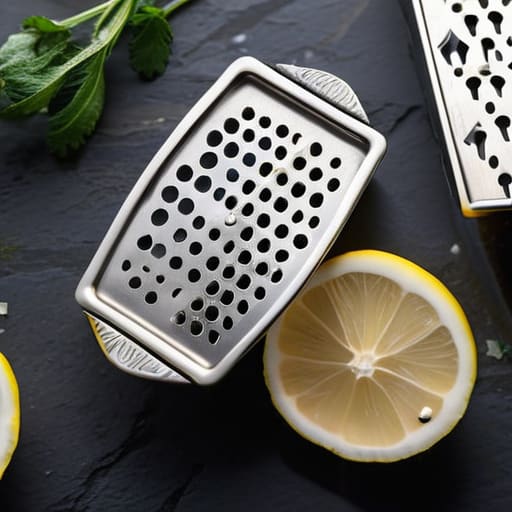
I still remember the chaos of a Friday night rush in my old catering days, standing in a cramped commercial kitchen with a mountain of parmesan and a cheap, flimsy handheld shredder that was doing nothing but frustrating the hell out of me. I watched a junior prep cook try to force a block of hard cheese through a plastic gadget that looked like it belonged in a toy box, only to have it snap in half right before service. It’s a scene I see far too often now in home kitchens: people spending way too much money on “specialty” gadgets that end up in the junk drawer by next Tuesday. Most of the different grater types you see on those flashy social media ads are nothing more than expensive distractions from the basic, heavy-duty tools that actually get the job done.
I’m not here to sell you on a dozen different rotating blades or electric contraptions you’ll never have the counter space for. Instead, I’m going to walk you through the few essential, high-quality tools that are actually worth your hard-earned money. We’re going to strip away the marketing hype and focus on the durable, stainless steel essentials that will last you a lifetime. By the time we’re done, you’ll know exactly which tool to grab for everything from a fine dusting of nutmeg to a heavy shred of cheddar, without wasting a single cent on plastic junk.
Table of Contents
The Box Grater vs Microplane Debate Finding Your Forever Tool
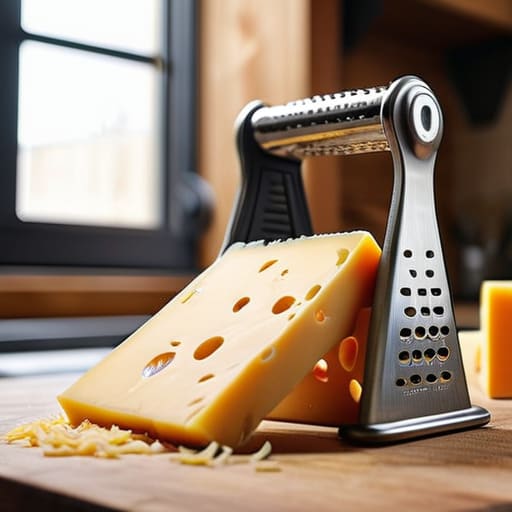
I see this debate every time I walk into a client’s kitchen. They’ve got a drawer full of specialized gadgets, yet they can’t seem to finish a simple prep task without frustration. When it comes to the box grater vs microplane showdown, you have to understand that they aren’t actually competing for the same job. A heavy-duty, stainless steel box grater is your workhorse; it’s what you reach for when you need hard cheese shredding for a mountain of tacos or a big batch of hash browns. It’s sturdy, it’s reliable, and it won’t snap in half when you apply any real pressure.
On the other hand, a microplane is a precision instrument. I don’t use mine for bulk shredding, but I do rely on it heavily as my go-to citrus zest tools or for that fine dusting of nutmeg over a custard. It’s about having the right tool for the specific texture you need. Don’t fall into the trap of thinking one can replace the other. You don’t need an electric version of either—just one high-quality manual tool for each task that will actually last you a lifetime.
Why Stainless Steel Kitchen Tools Outlast Every Plastic Fad
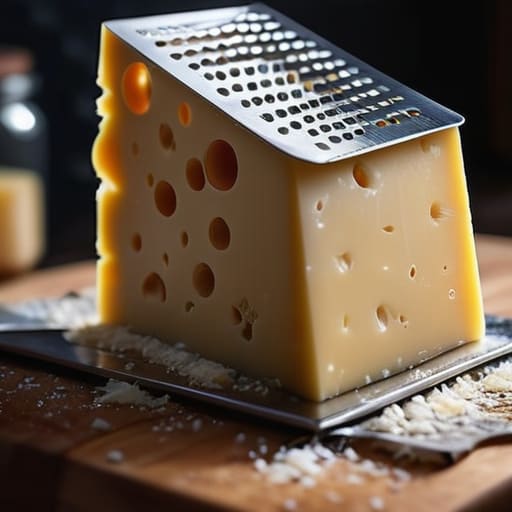
I’ve seen it happen a hundred times in professional kitchens and in clients’ homes: someone buys a cheap, colorful plastic grater because it looks good on a social media feed, only to have the blades dull or the handle snap within six months. It’s frustrating to watch people throw money away on disposable junk. When you invest in stainless steel kitchen tools, you aren’t just buying a utensil; you’re buying peace of mind. Steel doesn’t crack under pressure, it won’t absorb food odors, and most importantly, it can handle the heavy lifting required for hard cheese shredding without bending or breaking.
The real difference becomes clear when you compare manual vs electric graters. While an electric machine might seem like a shortcut, they are often bulky, difficult to clean, and prone to mechanical failure. A high-quality manual steel grater gives you total control over your texture, whether you’re working on delicate citrus zest tools tasks or prepping a mountain of potatoes. Stick to the metal. It’s heavier, it’s sturdier, and it’s the only way to ensure you aren’t replacing your gear every single season.
Five Rules for Buying Graters That Won't End Up in a Landfill
- Stop buying those cheap, single-purpose handheld graters. They’re flimsy, they’re hard to clean, and they’ll likely snap at the handle right when you’re halfway through a block of parmesan. Stick to a solid box grater or a high-quality zester.
- Check the edge, not just the brand. When you pick one up, run your thumb (carefully!) near the teeth. If they feel dull or uneven right out of the box, put it back. You want sharp, precision-cut teeth that slice through hard cheese rather than just smashing it into a pulp.
- Look for stability over aesthetics. If you’re buying a box grater, make sure it has a wide, heavy base. There is nothing more frustrating—or dangerous—than trying to grate something while your tool is sliding around your countertop like a hockey puck.
- Avoid anything with excessive plastic components. In my years managing commercial kitchens, I saw how quickly plastic handles crack or discolor. A seamless stainless steel construction is easier to sanitize and won’t harbor bacteria in the cracks.
- Match the tool to the task, but don’t overcomplicate it. You don’t need a “specialized vegetable shredder” for your pantry. A good microplane handles citrus and hard cheeses, and a sturdy box grater handles everything else. Keep your drawer simple and functional.
The Bottom Line on Grating
Stop chasing every gadget on the market; a high-quality box grater and a single microplane will cover 95% of everything you’ll ever need to do.
Check the weight and the build before you buy—if it feels light and flimsy in your hand, it’s going to end up in a landfill within a year.
Focus on the blade, not the handle; you want sharp, stainless steel teeth that bite into the food rather than sliding over it.
## The Cost of Cheap Tools
“I’ve seen too many people clutter their drawers with three different plastic shredders that snap the moment they hit a hard cheese. If you’re going to buy a grater, buy one made of heavy-duty steel that feels substantial in your hand; it’s better to own one tool that works every single time than a drawer full of junk that fails when you’re mid-prep.”
Rosalind Hayter
Choosing Your Forever Tool
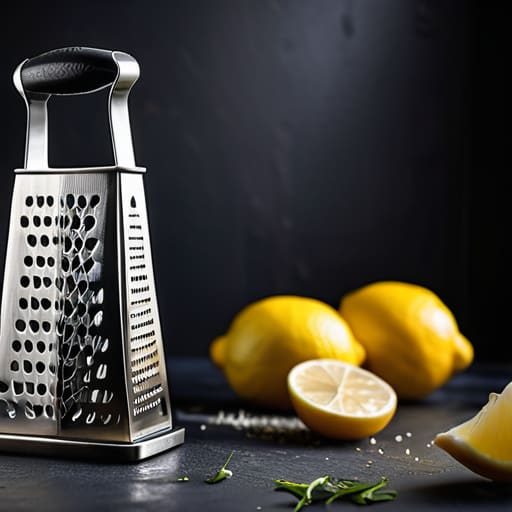
At the end of the day, choosing a grater isn’t about collecting every gadget that hits the shelves at your local department store. It’s about knowing whether you need the heavy-duty versatility of a stainless steel box grater for blocks of cheese and root vegetables, or the precision of a microplane for those delicate citrus zests and hard aromatics. I’ve seen too many people clutter their drawers with cheap, flimsy plastic versions that dull after three uses and end up in a landfill. If you invest in quality materials and the right shape for your specific cooking style, you won’t find yourself reaching for a replacement every single year. Buy once, buy well, and you’ll save yourself both money and the frustration of a tool that fails when you’re mid-prep.
My advice is simple: look at your kitchen, look at how you actually cook, and then buy the tool that matches that reality. A kitchen shouldn’t be a showroom for expensive, useless trends; it should be a workspace that supports your habits. Once you have a few reliable, high-quality tools in your arsenal, you’ll find that the cooking process becomes much more fluid and much less of a chore. Stop worrying about what’s “new” and start focusing on what’s durable. A well-organized kitchen starts with the right foundation, and that begins with tools that are built to last a lifetime.
Frequently Asked Questions
Is a heavy-duty box grater actually worth the counter space if I already have a small handheld one?
Look, I get it. Counter space is precious, especially if you aren’t running a commercial line. But if you’re only using a handheld grater, you’re working twice as hard for half the result. A handheld tool is fine for a sprinkle of zest, but for a pound of cheese or a mountain of carrots, it’s a recipe for hand cramps and uneven shreds. Get the box grater. It’s a workhorse, not a luxury.
How do I know if a grater is high-quality stainless steel or just cheap plating that's going to rust in six months?
Here’s the quick test: pick it up. A high-quality stainless steel grater should have some heft to it; if it feels light as a feather, it’s likely cheap, thin-gauge metal with a coating that’ll flake off by next season. Look closely at the teeth, too. On real stainless, the blades are integrated into the body, not just stamped on. If you see any discoloration or a “rainbow” sheen, walk away.
Can I use a Microplane for everything, or am I going to regret not having a traditional grater for harder cheeses?
If you try to use a Microplane on a block of aged Parmesan or a hard carrot, you’re going to end up frustrated and exhausted. Those fine blades are meant for zest, ginger, and soft cheeses. For anything heavy-duty, you need the leverage of a traditional grater. I’ve seen too many people try to force a delicate tool to do a heavy job; just get both. One is for finesse, the other is for the real work.
