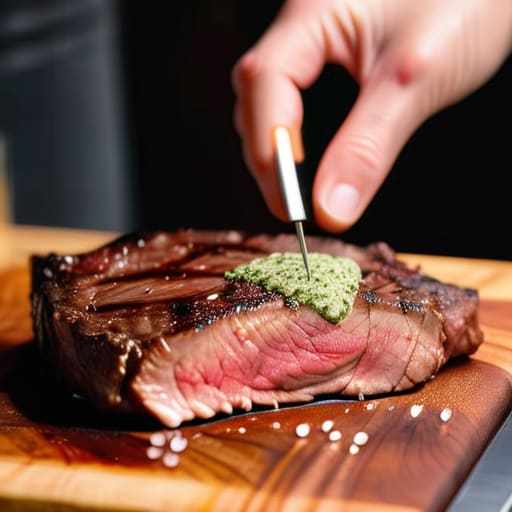
I remember standing in the middle of a chaotic commercial kitchen during a wedding reception, sweat stinging my eyes, watching a junior chef try to “feel” if a roast was ready by poking it with his finger. It was a recipe for disaster, and honestly, it’s a habit I see too often in home kitchens today. People treat cooking like a guessing game, but when you’re investing time and money into a good piece of protein, you shouldn’t be playing roulette with food safety. You don’t need a kitchen full of expensive, flashing gadgets, but you do need a reliable digital food thermometer to take the guesswork out of the equation once and for all.
I’m not here to sell you on some high-tech, Bluetooth-enabled nonsense that requires a smartphone app just to tell you your chicken is cooked. My goal is to help you find a tool that is built to last and actually delivers an accurate reading every single time. I’m going to cut through the marketing fluff and show you exactly what to look for so you can stop worrying about undercooked meat and start cooking with total confidence.
Table of Contents
Mastering Accurate Cooking Temperatures for Life
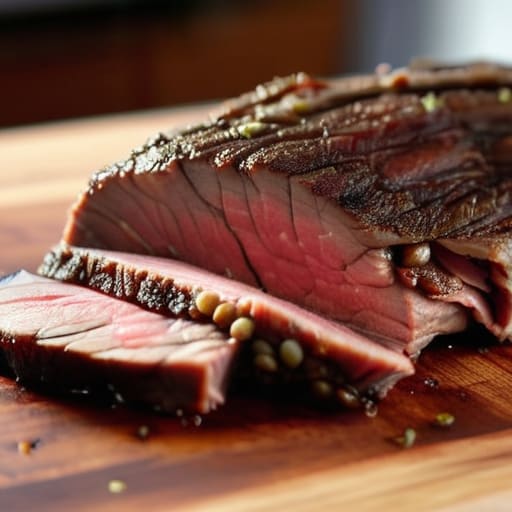
After twenty years in commercial kitchens, I’ve learned that confidence doesn’t come from intuition; it comes from data. You can spend hours prepping a perfect brisket, but if you’re relying on the “touch test” or just hoping for the best, you’re gambling with your dinner. To stop the guesswork, you need to treat your kitchen like a workspace. Using a reliable tool to hit accurate cooking temperatures is the difference between a meal that’s dry and tasteless and one that’s actually worth the effort you put in.
When you’re looking to upgrade your setup, don’t get bogged down in the technical jargon, but do understand the basics. For instance, knowing the difference between a thermocouple vs thermistor can help you decide how fast you need those readings. If you’re serious about consistency, invest in some high-quality culinary precision tools that won’t fail you when the heat is on. Once you have a solid device, keep a basic food safety temperature chart nearby. It takes the mental load off your plate so you can focus on the flavor, not the fear of undercooking.
Choosing the Best Instant Read Thermometers That Last
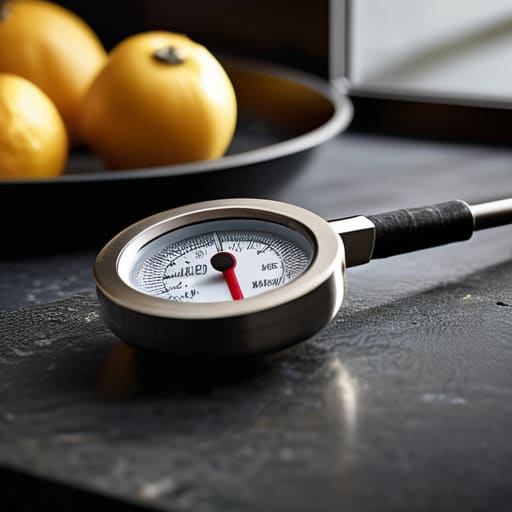
When you’re shopping for the best instant read thermometers, ignore the flashy screens and the “smart” features that require a Bluetooth connection. I’ve seen too many people waste money on gadgets that feel like toys and break within six months. Instead, look for build quality. You want something with a sturdy probe and a housing that can handle being bumped against a heavy cast iron skillet or dropped on a granite countertop.
If you really want to understand the tech, you’ll eventually run into the debate of thermocouple vs thermistor. A thermocouple is the gold standard for speed and accuracy—it reacts almost instantly to temperature changes—while a thermistor is more budget-friendly but a bit slower. For my professional standards, I always lean toward a high-quality thermocouple. It’s one of those culinary precision tools that pays for itself the first time you pull a perfect, juicy roast out of the oven instead of a dry, overcooked mess. Don’t settle for “close enough” when it comes to your gear; buy the tool that does the job right every single time.
Five Rules for Using Your Thermometer Like a Pro
- Stop poking the bone. When you’re checking a roast or a thick piece of meat, aim for the thickest part of the muscle, but make sure the probe isn’t touching fat or bone, or you’ll get a reading that lies to you.
- Give it a second to breathe. I see people pull the probe out the second they see a number, but most digital reads need a couple of seconds to stabilize. Wait for that final, steady digit before you decide the meat is done.
- Clean it immediately after every single use. A tiny bit of dried protein or grease on that probe will ruin your accuracy and turn your kitchen into a breeding ground for bacteria. Wipe it down with a damp cloth or a bit of sanitizer right away.
- Learn your carryover cooking. Remember, the temperature doesn’t stop rising the moment you take the pan off the heat. Pull your meat a few degrees early so it hits the perfect mark while it rests on the cutting board.
- Treat it like a precision tool, not a kitchen knife. Don’t toss your thermometer into a crowded drawer full of heavy metal utensils. If you bend or crack that delicate probe, you’re back to guessing, and we don’t do that in my kitchen.
The Bottom Line on Buying Better
Stop wasting money on cheap, plastic gadgets that lose accuracy after a month; invest in a high-quality, metal-bodied thermometer that’s built to survive your kitchen.
Accuracy is non-negotiable—a fast, reliable digital read is the only way to stop guessing and start cooking with the confidence of a pro.
Remember that a thermometer is just a tool, not a magic wand; use it to build better habits so you never serve an undercooked roast or a dried-out chicken breast again.
## The Cost of Guesswork
“I’ve seen too many people ruin an expensive cut of meat because they relied on ‘feel’ or a timer instead of a real reading. A good digital thermometer isn’t a luxury gadget; it’s the difference between a meal that’s a triumph and one that ends up in the trash.”
Rosalind Hayter
Stop Guessing and Start Cooking
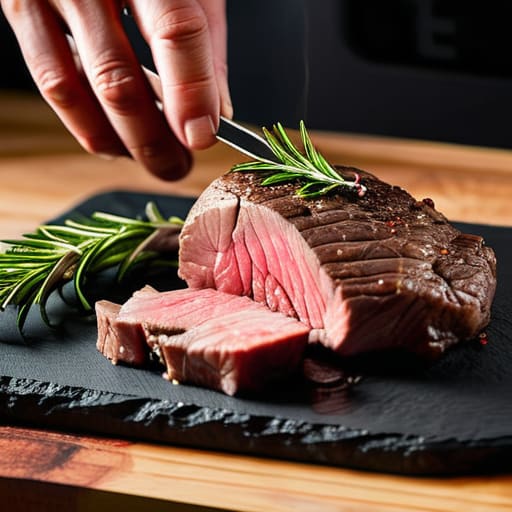
At the end of the day, a digital thermometer isn’t just another gadget to clutter your drawer; it is the most important tool for moving from guesswork to true culinary confidence. We’ve covered why you need speed, why accuracy is non-negotiable, and why you should invest in a sturdy, high-quality model rather than a cheap plastic version that will break after three uses. By prioritizing a reliable instant-read thermometer, you are protecting your food, your budget, and most importantly, your time. Don’t let a dry roast or an undercooked chicken breast ruin a meal you worked hard to prepare. Buy it once, buy it right, and let it do its job.
I’ve spent decades in professional kitchens where precision was the difference between a satisfied guest and a wasted plate. I want that same standard for your home. Cooking should be a source of joy and connection, not a stressful game of “is this done yet?” Once you master the habit of checking your temperatures, you’ll realize that great cooking is actually quite simple when you have the right data in hand. Put down the timer, grab your thermometer, and start trusting your instincts backed by facts. Your kitchen—and your dinner guests—will thank you.
Frequently Asked Questions
How often should I actually be calibrating my thermometer to make sure it's still giving me honest readings?
Look, I don’t expect you to pull out your ice bath every single Tuesday, but you can’t just set it and forget it. If you’re using your thermometer daily, check it once a month. If you only pull it out for holiday roasts, check it before the big event. If a reading feels “off”—like your chicken is suddenly gray but the probe says it’s done—stop immediately and calibrate it. Don’t trust a lying tool.
Is it worth spending the extra money on a probe thermometer that stays in the oven, or should I stick to a quick instant-read?
Look, if you’re roasting a small chicken, an instant-read is plenty. But if you’re serious about low-and-slow brisket or a large turkey, get the probe. It’s worth the extra investment because it monitors the temperature while you’re busy doing other things, preventing that panicked “is it done yet?” hovering. An instant-read is for precision in the moment; a probe is for peace of mind during a long cook. Get both if you can.
What are the tell-tale signs that my current thermometer is failing and it's time to toss it for a real one?
If you’re finding yourself staring at the screen, waiting more than five seconds for a reading, or if the numbers seem to jump around wildly every time you probe a piece of meat, it’s dead. Also, watch out for loose connections or a probe that feels wobbly. If it’s inconsistent, it’s dangerous. Don’t waste time trying to “calibrate” a piece of cheap plastic junk; just toss it and invest in a professional-grade tool.
