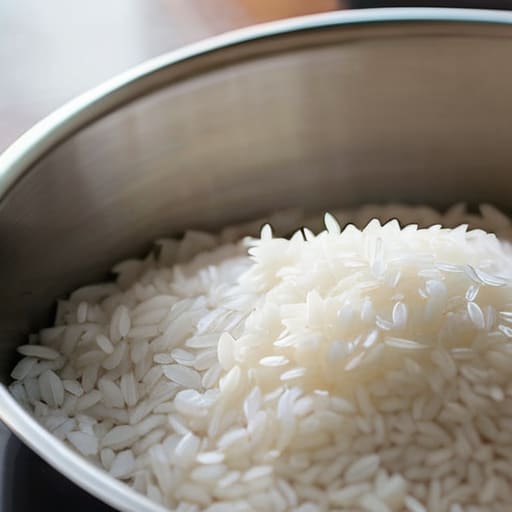
I’ve spent two decades in commercial kitchens where every second and every cent counts, and if there is one thing that drives me up the wall, it’s the way the appliance industry tries to sell you “smart” technology you don’t actually need. You don’t need a Wi-Fi-enabled machine that sends a notification to your phone just to tell you the grains are soft; you need a machine that actually respects the rice. Most of the fluff you’ll find in a generic rice cooker guide is designed to make you feel like you’re missing out on some high-tech miracle, when in reality, you’re just being sold expensive, disposable plastic.
I’m not here to help you decorate your countertop with a gadget that will end up in a landfill by next Christmas. My goal is to give you a straight-shooting, experience-based look at what actually matters: build quality, heat distribution, and ease of cleaning. I’m going to cut through the marketing noise and show you how to pick a tool that will last you a decade, not a season. We’re going to focus on functional reliability over flashy buttons, ensuring your kitchen stays organized and your pantry stays stocked with food that’s actually worth eating.
Table of Contents
- Finding the Best Rice Cooker for Jasmine Rice
- The Difference Between Induction Heating and Conventional Methods
- Stop Treating Your Rice Cooker Like a Set-and-Forget Appliance
- The Bottom Line: What Actually Matters
- The Truth About Your Countertop
- Making the Right Choice for Your Kitchen
- Frequently Asked Questions
Finding the Best Rice Cooker for Jasmine Rice
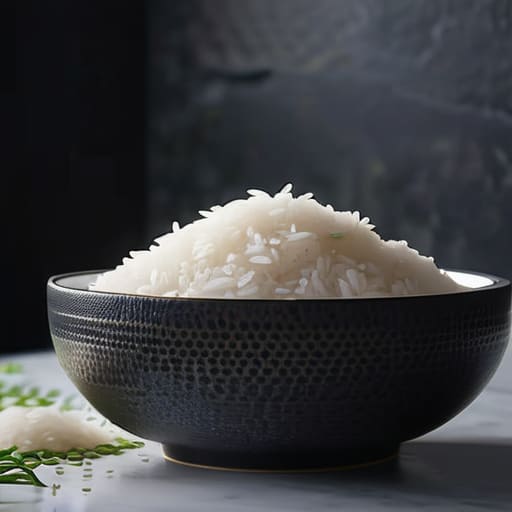
If you’re looking for the best rice cooker for jasmine rice, you need to understand that this specific grain is temperamental. Jasmine rice relies on a delicate balance of aroma and texture; if you overcook it, you end up with a gummy mess, and if you undercook it, it’s unpleasantly chalky. To get that floral fragrance and distinct, fluffy grain, I always look for a machine that offers precise temperature control. This is where you’ll notice a massive difference between induction heating and conventional heating methods. Induction heats the entire pot more evenly, preventing those dreaded hot spots that scorch the bottom while the top stays underdone.
I also can’t stress enough how important the vessel itself is. Skip the cheap, thin aluminum models. You want a heavy-duty, high-quality non-stick rice cooker inner pot that can withstand daily use without the coating flaking off into your food. A thicker pot retains heat better and distributes it steadily, which is the secret to getting that consistent, professional result every single time. Don’t settle for a gadget that treats your rice like an afterthought.
The Difference Between Induction Heating and Conventional Methods
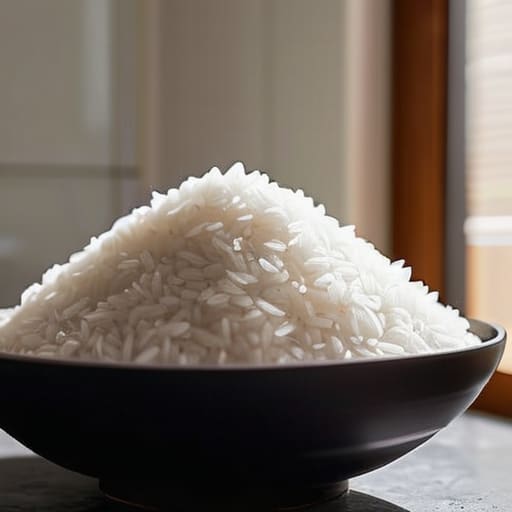
When you’re looking at spec sheets, you’ll see a lot of jargon about heating elements, but let’s cut through the noise. The real difference between induction heating and conventional methods comes down to how the heat actually reaches your grain. Most basic models use a standard heating plate at the bottom. It’s fine for a quick batch of white rice, but the heat is often uneven, leading to those frustrating pockets of mushy rice at the bottom and crunchy bits at the top.
Induction is a different beast entirely. Instead of a heating element warming up a plate, it uses magnetic currents to turn the inner pot itself into the heat source. This creates a much more consistent, wrap-around heat that respects the delicate structure of the grain. If you’re searching for the best rice cooker for jasmine rice, I almost always point people toward induction. It provides the precision needed to ensure every single grain is fluffy and distinct. It’s a bit more of an upfront investment, but in my experience, it’s the difference between “just okay” rice and a bowl of perfection every single time.
Stop Treating Your Rice Cooker Like a Set-and-Forget Appliance
- Stop relying on the plastic measuring cup that came in the box. Those things are notoriously inaccurate. If you want consistent results every single time, use a standard kitchen scale and measure your rice and water by weight. It takes ten extra seconds, but it saves you from a pot of mushy disappointment.
- Don’t ignore the importance of the inner pot material. If you can afford it, go for heavy-duty stainless steel or a high-quality non-stick coating that isn’t going to flake off into your dinner in six months. A thin, flimsy pot will give you unevenly cooked grains and a shorter lifespan.
- Treat your machine like a professional tool and clean it properly. That little steam vent might look insignificant, but if it gets clogged with starch buildup, your rice will cook unevenly. Take five minutes after it cools to wipe down the lid and clear the vent.
- Learn your rice’s personality before you hit start. You can’t treat Basmati the same way you treat short-grain sushi rice. Every variety has a specific water-to-grain ratio that works best; once you find that sweet spot, write it down in your notebook so you aren’t guessing every Tuesday night.
- Resist the urge to keep peeking. I know it’s tempting to lift the lid to see if it’s done, but every time you do, you’re letting out the steam and dropping the temperature. Trust the machine, keep the lid closed, and let the physics do the work.
The Bottom Line: What Actually Matters
Stop chasing the most expensive model on the shelf; if you aren’t cooking specialized grains, a solid, mid-range machine with a reliable heating element is all you need.
Prioritize build quality over bells and whistles—I’d much rather have a sturdy, easy-to-clean inner pot than a digital screen that does ten things I’ll never use.
Treat your rice cooker like any other piece of professional gear: buy it once, maintain it well, and stop replacing cheap plastic versions every two years.
The Truth About Your Countertop
A rice cooker shouldn’t be another piece of plastic cluttering your counter; it should be the one reliable workhorse that does one thing perfectly every single time you press start.
Rosalind Hayter
Making the Right Choice for Your Kitchen
At the end of the day, picking a rice cooker shouldn’t feel like a math exam. We’ve covered the essentials: knowing whether you need a specialized machine for your jasmine rice, understanding why induction heating is worth the extra investment, and recognizing that a heavy-duty build is always better than a flimsy plastic alternative. Don’t get distracted by every shiny new button or “smart” feature that promises to do your thinking for you. Focus on the mechanics and the material. If you prioritize a machine that handles heat evenly and a pot that won’t peel after six months, you’ve already won half the battle.
My advice is simple: stop looking for a miracle gadget and start looking for a reliable tool. A good rice cooker is like a well-seasoned cast iron skillet; it’s something you buy once, take care of, and rely on for years to come. Once you have the right equipment sitting on your counter, the rest is up to you. It’s about the ritual of the meal and the discipline of the cook. Get the right gear, master your technique, and let the machine do its job so you can get back to enjoying the food.
Frequently Asked Questions
How do I know if a heavy-duty cooker is actually worth the extra money compared to a basic model?
Look at the build quality and the heating consistency. A basic model is fine if you’re making a single pot of rice once a week, but if you’re cooking daily, you want a heavy-duty machine. I look for thick, non-stick inner pots that don’t warp and consistent temperature control. If the machine can handle different grain types without turning them into mush, it’s worth the investment. Don’t pay for bells and whistles; pay for durability.
Can I use my rice cooker for things other than rice, or is that just another way to clutter my counters?
Look, if you’re only using it for white rice, you’re missing the point. A good cooker is a workhorse, not a single-use paperweight. I use mine for steaming vegetables, making congee, or even poaching fish when I don’t want to stand over a stove. If you buy a quality machine, it earns its spot on your counter by doing more than one job. Use it, or it’s just clutter.
What kind of inner pot material should I look for to make sure it actually lasts a lifetime?
Look, if you want something that survives more than a few years of heavy use, stay away from those thin, non-stick coatings. They’re prone to peeling, and once that happens, the whole pot is trash. If you can find a model with a heavy-duty stainless steel or a thick, high-quality ceramic inner pot, grab it. They’re much harder to damage and won’t leave you hunting for a replacement in eighteen months.
