I’ve spent twenty years in commercial kitchens, and if there is one thing that drives me up the wall, it’s watching people pour money into those “professional-grade” gadget sets that fall apart after a month of heavy use. I remember one particular afternoon in a high-volume catering kitchen where a junior cook tried to flip a heavy smash burger with a flimsy, $5 silicone piece that snapped clean in half, sending grease and meat flying everywhere. It was a mess, and it was avoidable. You don’t need a titanium-plated, gadget-of-the-month tool; you just need a spatula turner that has enough weight to feel substantial and enough rigidity to actually do the job without bending under pressure.
I’m not here to sell you on the latest kitchen trends or fancy bells and whistles that only serve to clutter your drawers. My goal is to cut through the marketing noise and help you find the workhorse tools that actually deserve a permanent spot in your kitchen. I’m going to show you exactly what to look for in terms of material, edge thickness, and handle stability so you can stop replacing cheap junk and start investing in gear that lasts a lifetime.
Table of Contents
- Silicone vs Metal Spatulas Choosing Substance Over Trends
- Finding Heat Resistant Cooking Implements That Wont Melt
- Five Rules for Buying a Turner You Won't Regret
- The Bottom Line: What Your Kitchen Actually Needs
- The Cost of Cheap Tools
- Stop Collecting Gadgets and Start Building a Kitchen
- Frequently Asked Questions
Silicone vs Metal Spatulas Choosing Substance Over Trends
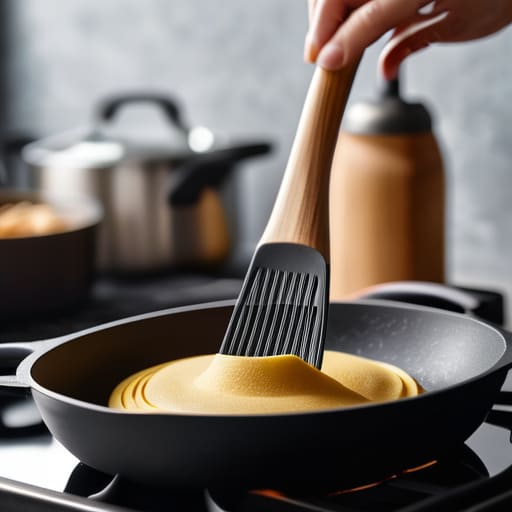
I see people constantly torn between silicone and metal, usually because they’re looking at whatever’s on sale at a big-box store rather than looking at their actual pans. If you’ve invested in a decent non-stick skillet, using a heavy metal turner is a fast track to ruining that coating. In those cases, you need high-quality, heat resistant cooking implements made of food-grade silicone. They glide under eggs or crepes without a scratch, and unlike the cheap, flimsy versions, a professional-grade silicone tool won’t melt or warp the moment things heat up.
However, don’t go thinking silicone is a magic bullet for everything. If you’re searing a steak or flipping a heavy burger, you need the structural integrity of stainless steel. Metal provides the leverage you need when the food has weight to it. The real trick is knowing when to use a slotted turner vs solid spatula; use the slotted version for draining fat from a fritter, and the solid one for keeping those juices in your meat. Don’t buy a drawer full of both—just buy the right one for the job.
Finding Heat Resistant Cooking Implements That Wont Melt
There is nothing more frustrating than the smell of burning plastic wafting from your stovetop because you used a cheap tool that wasn’t up to the task. I’ve seen it a thousand times in commercial kitchens: someone grabs a flimsy, low-grade utensil, and within a month, the edge is warped or partially melted. When you are looking for heat resistant cooking implements, you need to look past the bright colors and focus on the material specifications. If you’re working with high-heat searing, you need something that won’t lose its structural integrity the moment the pan gets hot.
If you are primarily using high-end pans, you have to be smart about your choices. You need non-stick cookware compatible tools that can handle the heat without scratching your investment, but that doesn’t mean they have to be flimsy. I always tell people to look for high-grade, food-safe silicone with a reinforced core. This gives you the flexibility needed for something like the best spatula for delicate fish, while ensuring the tool won’t turn into a puddle of goo halfway through dinner. Don’t settle for “good enough” when it comes to the heat.
Five Rules for Buying a Turner You Won't Regret
- Check the weight before you buy. A good turner should have some heft to it; if it feels like a toy in your hand, it’s going to feel like one when you’re trying to lift a heavy portion of lasagna.
- Look for a seamless design. I’ve seen too many cheap turners where the head is just glued or poorly welded to the handle. Those gaps are breeding grounds for bacteria and grime that you’ll never be able to scrub out.
- Test the “flex” factor. You need a tool that has enough give to slide under a delicate egg without tearing it, but enough structural integrity that it won’t buckle when you’re flipping a thick steak.
- Avoid the “set” trap. Don’t buy those twenty-piece gadget kits just because they look pretty in the packaging. Pick one high-quality, professional-grade turner instead of ten pieces of plastic junk that will end up in a landfill by next Christmas.
- Match the tool to your pans. If you’ve invested in good non-stick or seasoned cast iron, make sure your turner is compatible. Using a metal scraper on a good non-stick pan is the fastest way to turn a functional kitchen into a frustrating one.
The Bottom Line: What Your Kitchen Actually Needs
Stop buying sets of ten cheap, mismatched plastic turners; buy one high-quality, heat-resistant tool that you actually enjoy using.
Match your tool to your pans—use silicone for your non-stick coatings to prevent scratching, but keep a solid metal turner for the heavy-duty work on cast iron.
Prioritize durability and heat resistance over “gadget” features; if a spatula feels flimsy in your hand or smells like burning plastic, it’s going in the trash.
The Cost of Cheap Tools
I’ve seen enough commercial kitchens go to waste because someone bought a cheap, flimsy turner that snapped mid-service; if you’re going to buy a spatula, buy one that has enough weight to feel intentional and enough strength to actually do the job without bending under pressure.
Rosalind Hayter
Stop Collecting Gadgets and Start Building a Kitchen
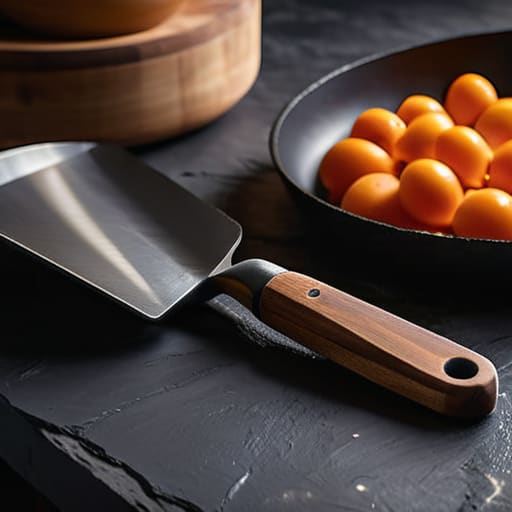
At the end of the day, choosing a spatula turner isn’t about finding the most expensive tool on the shelf; it’s about knowing exactly what you need for the way you actually cook. We’ve covered why you need to ditch the flimsy, meltable plastic and why choosing between metal for durability or high-grade silicone for non-stick surfaces is a strategic decision for your cookware. Don’t get distracted by those “all-in-one” kits that promise the world but fall apart in a month. Stick to the basics: buy for heat resistance, buy for weight, and buy for longevity. If a tool doesn’t have a clear, heavy-duty purpose in your daily routine, leave it on the store shelf.
My time in commercial kitchens taught me that a professional setup isn’t about having a thousand different gadgets—it’s about having the right tools that you can trust implicitly. When you invest in a solid, well-made turner, you aren’t just buying a piece of kitchenware; you are investing in your own confidence at the stove. Stop treating your kitchen like a showroom for trendy junk and start treating it like a workspace. Build a collection of tools that will outlast the trends and serve you for decades. Once you have the right foundation, the cooking part becomes much more about the food and much less about fighting your equipment.
Frequently Asked Questions
How do I know if a metal turner is actually high-quality stainless steel or just cheap plating that's going to rust after three washes?
Don’t just trust the shiny finish. Pick it up; if it feels light and hollow, it’s cheap. A real, high-quality stainless steel turner has some heft to it. Look closely at the construction—you want seamless joints where the head meets the handle. If you see visible seams or a “layered” look, it’s likely plated. Avoid anything that feels flimsy in your hand. If it doesn’t have a solid, weighted presence, put it back.
Is it worth spending more on a heavy-duty turner if I’m mostly just flipping eggs and pancakes?
If you’re strictly flipping eggs and pancakes, you don’t need a heavy-duty, industrial-grade turner. That’s just more weight to tire your wrist out. However, don’t mistake “simple” for “cheap.” You still want something with a bit of heft and a solid connection between the head and the handle. Avoid those flimsy, hollow-feeling ones that flex when you try to lift a heavy pancake. Buy a decent, mid-range tool that feels balanced; it’ll last longer than the budget junk.
Can I use a silicone-tipped turner on my expensive non-stick pans without worrying about it wearing down the coating?
Yes, you absolutely can. In fact, if you’ve invested in high-quality non-stick cookware, a silicone-tipped turner is your best friend. Metal turners are the enemy of that coating; they’ll scratch and peel it in no time. Just make sure the silicone is high-grade and won’t flop when you’re lifting something heavy. It’s a small price to pay to keep those expensive pans functional for years instead of months.
