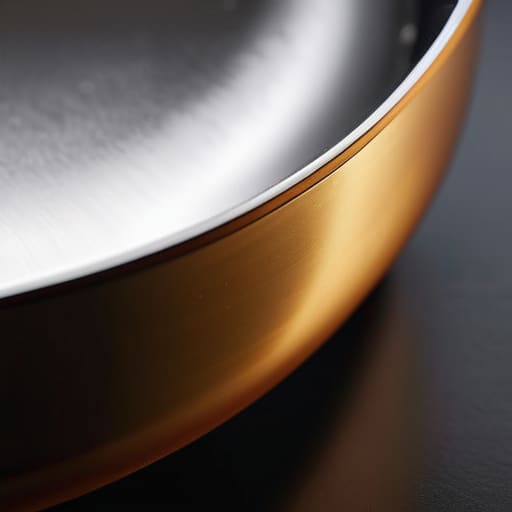
People will tell you that you need a specialized, high-tech non-stick coating to get a decent sear on a piece of protein, but they are lying to you. I spent twenty years in commercial kitchens watching chefs toss aside expensive, “smart” gadgets the second the coating started peeling like sunburned skin. The truth is, if you want a tool that actually survives a lifetime of heavy use, you need to master the art of the stainless steel pan. I’ve written this stainless steel pan review because I’m tired of seeing people throw money away on disposable cookware that ends up in a landfill before the year is out.
I’m not here to feed you the marketing fluff or tell you that a specific brand will magically make you a Michelin-star chef. Instead, I’m going to give you the straight talk based on decades of professional heat and heavy scrubbing. I’ll walk you through what actually matters—weight, heat distribution, and how much it’s going to cost you in the long run—so you can buy a pan that works for you, not the other way around.
All-Clad D3 Stainless Steel Fry Pan: At a Glance
This is the heavy-duty, reliable workhorse every serious home cook needs to stop cycling through cheap, disposable non-stick pans.
Key Specs
- Material: Tri-ply bonded stainless steel
- Heat Distribution: Even across the entire base and sides
Pros
- Exceptional heat retention that handles high-heat searing without dead spots
- Built to last a lifetime with no coatings to peel or flake off
Cons
- It’s a bit heavy for those used to lightweight aluminum pans
- The price tag is steep, though it pays for itself in longevity
First Impressions Design
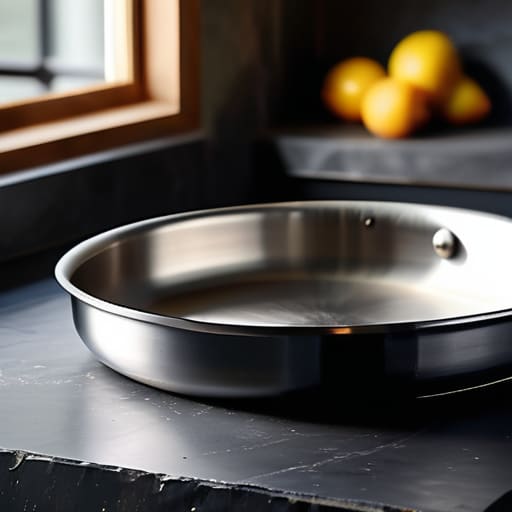
When I first pulled this pan out of the box, the weight was the first thing I noticed. It has that substantial, serious heft that tells you immediately it isn’t some flimsy piece of stamped metal you’ll find in a bargain bin. As someone who has spent decades moving heavy stockpots around commercial kitchens, I look for a balance between durability and maneuverability, and this hits the mark.
The design is refreshingly stripped-back. There are no unnecessary flourishes here—just clean lines and a polished finish that looks professional. I took a close look at the handle attachment; it’s securely riveted, which is non-negotiable for me. A loose handle is a safety hazard waiting to happen, and you want something that feels like an extension of your arm when you’re tossing vegetables.
What really stands out, though, is the thickness of the base. You can feel the tri-ply construction benefits just by holding it; it doesn’t flex or feel hollow. This isn’t just about aesthetics; it’s about ensuring consistent heat distribution efficiency so you don’t end up with a steak that’s burnt on one side and raw in the middle. It’s a tool built for purposeful cooking, not just for looking pretty in a cabinet.
Key Features in Action
I didn’t just want to see if this pan looked good on a stovetop; I wanted to see if it actually performed when the heat was on. I started with a simple sear on a thick ribeye, and this is where the tri-ply construction benefits really became obvious. Instead of those annoying hot spots that leave you with a burnt edge and a raw center, the heat moved across the surface with incredible heat distribution efficiency. The steak developed that deep, mahogany crust we all crave, without the pan losing its temper halfway through the cook.
Next, I put it to the test with a high-acid tomato sauce. This is where you see the real difference in non-reactive cookware performance. Unlike cheap aluminum or some low-grade coated pans, this steel didn’t impart any metallic tang to the sauce, no matter how long I let it simmer.
Finally, I looked at the cleanup. I’m a firm believer that if a tool is a chore to clean, you won’t use it. While I usually hand-wash my vintage cast iron, this pan handled a vigorous scrub with ease. It’s built to withstand the daily grind without the coating flaking off like a cheap non-stick would. It’s not just a piece of metal; it’s a reliable workhorse.
Real World Performance
I didn’t just pull this pan out of the box to look at it; I put it through the ringer. I started with a thick-cut ribeye, because if a pan can’t handle a high-heat sear without hot spots, it’s not worth the counter space. This is where you really see the tri-ply construction benefits in action. Instead of the meat sticking in one corner while the other side stays gray, the heat moved evenly across the entire surface. It gave me that deep, mahogany crust that makes a steak actually worth eating.
I also tested its non-reactive cookware performance by simmering a bright, acidic tomato sauce for about forty minutes. With cheaper pans, you’ll often get a metallic tang that ruins the flavor, but this stayed neutral. It handled the acidity without a hitch.
Now, I know what you’re thinking: “Is it harder to clean than my old non-stick?” Honestly, yes, if you don’t know what you’re doing. But once you master the Leidenfrost effect—knowing exactly when the pan is hot enough—food releases beautifully. When you’re done, a quick soak and a scrub, and it’s ready for the next round. It’s a tool that demands a little respect, but the results you get from a proper sear make the extra thirty seconds of cleanup a total non-issue.
Comparison With Alternatives
Look, I know the temptation. You walk into a big-box store and see a dozen shiny non-stick pans at half the price. It’s easy to think, “Why bother with the learning curve of stainless steel when I can just slide an egg around a Teflon coating?” But here is the reality from someone who has worked in commercial kitchens: those non-stick pans are disposable. They peel, they scratch, and eventually, they end up in a landfill.
When you compare this pan to a standard non-stick option, the biggest difference is the non-reactive cookware performance. You can deglaze with wine, cook acidic tomato sauces, or sear a heavy steak without worrying about chemicals leaching into your food or ruining the surface.
Now, if you’re looking at high-end copper or heavy cast iron, you might wonder about the trade-offs. While cast iron is a beast for heat retention, it’s heavy and requires constant maintenance. This pan offers a middle ground. Because of its tri-ply construction benefits, you get a level of heat distribution efficiency that rivals much more expensive professional brands, but without the constant seasoning or the weight of a sledgehammer. It’s about finding that sweet spot where durability meets daily usability.
Who Is This Product for
If you’re the kind of person who treats their kitchen like a laboratory rather than a showroom, you’re going to love this. This pan is designed for the home cook who is tired of the “buy it, break it, replace it” cycle of modern consumerism. If you want a tool that can handle a high-heat sear on a ribeye without flinching, this is the best stainless steel skillet for searing you’ll find in a residential kitchen.
I see a lot of people struggle with the transition from cheap non-stick coatings to professional-grade metal. If you are someone who values non-reactive cookware performance—meaning you can cook acidic sauces or deglaze a pan with wine without worrying about a metallic aftertaste—this is your workhorse.
However, let’s be clear: this isn’t for the person who wants to cook an egg and have it slide onto a plate with zero effort. If you aren’t willing to learn the art of heat control, you’ll find it frustrating. But, if you are a serious cook looking to invest in tri-ply construction benefits that provide even heat and lasting durability, this is a no-brainer. It’s for the person who wants to buy one piece of gear and never have to shop for it again.
Value for Money Final Verdict
Look, I’m not in the business of telling you to spend money just for the sake of it. My philosophy has always been simple: if it doesn’t earn its keep in your kitchen, it shouldn’t be in your cabinet. When you look at the price tag of this pan, don’t just see a number—see the years of service ahead of it.
While a cheap non-stick pan might feel like a bargain today, you’ll be replacing it every eighteen months once the coating starts flaking. This pan is a different beast entirely. When you factor in the tri-ply construction benefits—that even heat from edge to edge—you realize you aren’t just buying metal; you’re buying consistency. It’s an investment in your actual cooking ability.
My final verdict? If you are tired of the cycle of buying disposable kitchen junk, this is the move. It offers the kind of non-reactive cookware performance that allows you to deglaze a pan for a rich sauce without worrying about metallic aftertastes. It’s rugged, it’s reliable, and it’s built for people who actually cook. Stop settling for mediocre tools. If you want the best stainless steel skillet for searing that will still be in your kitchen when you retire, this is the one.
My Golden Rules for Picking a Pan That Won't Let You Down
- Look for tri-ply construction, not just a single layer of metal. If the heat isn’t distributed through the walls and not just the bottom, you’re going to end up with hot spots that burn your sauce and ruin your dinner.
- Ignore the “non-stick” marketing fluff. A real stainless steel pan is meant to be used with a bit of fat and the right temperature; once you master the heat, food releases just fine, and you won’t have to toss a ruined pan in the trash in six months.
- Check the weight before you buy. A pan that feels like a tin lid is going to warp the moment it hits a high flame. You want something with some heft to it—it should feel substantial in your hand, like a tool, not a toy.
- Prioritize a riveted handle over a welded one. I’ve seen too many cheap pans where the handle starts to wiggle after a year of heavy use. Rivets stay put, and they can handle the weight of a full pan of pasta without giving you a heart attack.
- Make sure it’s oven-safe without a second thought. I don’t want to worry if a pan can handle a quick sear in the oven to finish off a steak. If you can’t move it from the stovetop to the oven, it’s not a professional-grade tool.
My Bottom Line
Stop chasing non-stick convenience; this stainless steel pan is a professional-grade workhorse that rewards patience with superior searing and lasts a lifetime.
It’s a heavy-duty tool, not a toy, so make sure you’re ready to invest in something that requires a bit of technique but pays off in flavor.
If you’re tired of throwing away peeling, cheap pans every year, this is the one piece of gear that will actually save you money in the long run.
The Bottom Line
After years of managing high-volume catering lines, I’ve learned that you can’t hide behind fancy-looking gear when the heat is on. This stainless steel pan isn’t some flashy gadget that will end up buried in the back of your pantry next season; it’s a workhorse. It delivers the heat retention you need for a perfect sear and, more importantly, it’s built to withstand the rigors of daily, heavy-duty use. While it might take a little more patience to master the temperature control compared to a cheap non-stick, the payoff is a professional-grade crust and a piece of equipment that won’t peel or flake on you in six months.
At the end of the day, my goal is to help you build a kitchen that serves you, not one that constantly demands more money for replacements. Investing in a quality stainless steel pan is a move toward intentional cooking. It’s about moving away from the cycle of disposable consumerism and toward a kitchen filled with tools that actually have a story to tell. Stop chasing every new trend and start building a foundation of gear that lasts. Buy it once, treat it well, and let it become a permanent part of your culinary life.
Frequently Asked Questions
How do I stop my food from sticking to this pan if I'm not a professional chef?
Listen, you don’t need a culinary degree to master stainless steel; you just need patience. The biggest mistake I see is rushing the heat. Use the “water droplet test”—flick a few drops of water onto the dry pan. If they dance around like beads of mercury instead of evaporating, your pan is ready. Add your oil, let it shimmer, then add your food. If it sticks immediately, leave it alone; it’ll release once a proper crust forms.
Is this pan heavy enough to be stable on an induction cooktop, or will it slide around?
That’s a fair concern. I’ve seen too many lightweight pans dance around an induction surface like they’re on ice. This particular pan has enough heft to stay put; it’s got a thick, multi-clad base that provides the weight you need for stability. You won’t have to spend your whole cooking session chasing it across the cooktop. It feels substantial in the hand, which is exactly what you want when you’re working over high heat.
Can I actually put this in the dishwasher, or am I going to ruin the finish?
Look, I’ll be blunt: you can toss it in the dishwasher, but why would you? Even if the manufacturer says it’s fine, those harsh detergents and high-heat cycles are relentless. They’ll eventually dull the finish and can even cause spotting over time. If you want this pan to last the twenty years it’s designed for, hand wash it with warm water and a bit of soap. It takes two minutes—don’t let laziness ruin a good tool.
