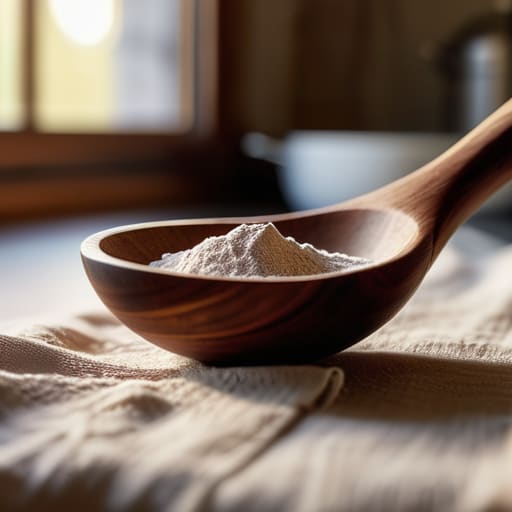
I still remember the chaos of my first commercial kitchen, standing over a massive stockpot during a Friday night rush, feeling the vibration of a cheap, mass-produced spatula snapping right in my hand. It was a total disaster, and it taught me a lesson I’ve carried for twenty years: your tools shouldn’t be the thing that fails you when the heat is on. People spend hundreds on high-tech silicone sets or fancy gadgets that end up gathering dust in a drawer, yet they overlook the absolute powerhouse of the kitchen: a single, well-crafted wooden mixing spoon. If it’s not heavy enough to feel substantial in your palm and smooth enough to glide through a thick risotto, it’s not worth your counter space.
I’m not here to sell you on some overpriced, designer utensil that’s just “aesthetic” for your social media feed. My goal is to cut through the marketing noise and help you find the kind of tool that actually earns its keep. I’m going to show you exactly what to look for in a wooden mixing spoon so you can stop buying disposable junk and start investing in pieces that last a lifetime.
The Secret to Superior Non Stick Cookware Protection
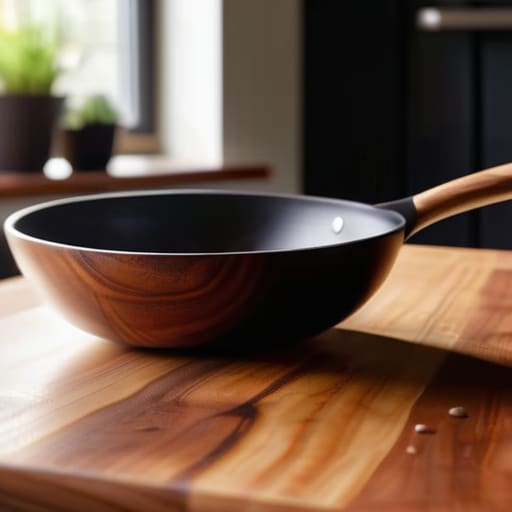
If you’ve spent any time investing in high-quality non-stick pans, you know how quickly a cheap metal spatula can ruin a perfectly good surface. I’ve seen too many professional-grade pans rendered useless because someone used the wrong tool. This is where a solid piece of timber becomes your best friend. Using a well-chosen tool provides essential non-stick cookware protection, ensuring you aren’t scratching away that expensive coating every time you scramble an egg.
But it isn’t just about what you’re stirring; it’s about what you’re using to do it. When I’m looking for the best wood for kitchen utensils, I always steer people toward hardwoods like maple or cherry. These aren’t just for show; they offer much better heat resistance of wood compared to the flimsy bamboo or cheap composites you see in big-box stores. A dense, high-quality grain won’t warp or soften the moment it hits a hot pan. If you treat your tools with a little respect—and a bit of food-grade oil—they’ll protect your cookware and stay in your kitchen for decades.
Choosing the Best Wood for Kitchen Utensils
When you’re browsing the kitchen aisle, don’t let the fancy carvings fool you. The grain matters more than the aesthetics. If you want something that won’t warp after three months of heavy use, you need to look for hardwoods. Maple and beech are my go-to’s; they’re dense, tight-grained, and incredibly durable. Because they don’t have large pores, they’re much better at preventing wood cracking and absorbing less moisture from your sauces.
If you’re looking for the best wood for kitchen utensils, you might encounter bamboo. While it’s a popular choice for those seeking sustainable kitchen tools, keep in mind that bamboo is technically a grass. It’s tough, sure, but it can sometimes feel a bit more brittle than a solid piece of cherry or walnut. Personally, I prefer the weight of a heavy maple spoon when I’m stirring a thick risotto. Just remember: once you pick your wood, you have to respect it. A little regular oiling goes a long way in keeping that grain tight and your tools feeling like new for decades.
Five Ways to Make Your Spoons Last a Lifetime
- Forget the dishwasher; it’s the fastest way to crack a good spoon. Hand wash your wood with warm, soapy water and dry it immediately so the moisture doesn’t sit in the grain.
- Once a month, rub a little food-grade mineral oil into the wood. It keeps the fibers from drying out and prevents that splintery texture that ruins a good stir.
- Never soak your wooden tools in a sink full of water. If they sit in standing water, they’ll warp, and a warped spoon is just expensive kindling.
- Check your edges regularly. If you notice deep grooves or cracks where food is getting stuck, it’s time to retire that spoon before it becomes a hygiene issue.
- Use the right tool for the job. Don’t try to force a small stirring spoon to scrape the bottom of a heavy Dutch oven; use a dedicated spatula for heavy lifting to avoid snapping the handle.
The Bottom Line on Your Wooden Spoons
Stop buying cheap, multi-pack sets; one solid, well-made spoon from a hardwood is worth more than a drawer full of flimsy replacements.
Protect your investment by hand-washing only—tossing your good wood into the dishwasher is the fastest way to ruin it.
Pay attention to the grain and the weight; if it feels light and hollow in your hand, it’s going to snap right when you’re stirring something heavy.
The Last Spoon You'll Ever Buy
At the end of the day, choosing a wooden spoon isn’t about following some fancy culinary trend; it’s about making a practical decision for your pans and your sanity. We’ve covered why you need to ditch the plastic to save your non-stick coatings, and why selecting a dense, tight-grained hardwood like maple or olive is the only way to ensure your tool doesn’t end up in a landfill by next Christmas. When you invest in a piece of wood that is solid, heavy, and well-finished, you aren’t just buying a utensil—you are investing in a tool that handles heat, respects your cookware, and stays in your kitchen for decades.
My advice? Stop overthinking the gadgets and start focusing on the essentials that actually do the heavy lifting. A kitchen shouldn’t be a showroom for expensive, useless plastic junk; it should be a workspace that feels steady and reliable. When you hold a well-made wooden spoon, you feel that connection to the craft of cooking. Treat your tools with respect, oil them occasionally, and they will serve you faithfully through every meal you ever prepare. Build a kitchen that lasts, one thoughtful choice at a time.
Frequently Asked Questions
How do I stop my wooden spoons from absorbing smells like garlic or onion?
Look, it happens to the best of us. Wood is porous by nature, so it’s going to soak up those heavy aromatics if you aren’t careful. The trick is to never, ever soak them in a sink full of dirty water. Wash them immediately with warm, soapy water and dry them thoroughly by hand. If they already smell like a garlic factory, rub them with a bit of coarse salt and lemon juice to lift the scent.
Is it actually worth the extra money to buy hand-carved spoons versus the cheap ones from the big-box stores?
Look, I’ll be blunt: if you’re buying a hand-carved spoon just for the “aesthetic” on Instagram, save your money. But if you’re looking for something that won’t warp or crack after six months of heavy stirring, there’s a massive difference. Big-box spoons are often mass-produced from inferior, thirsty woods. A hand-carved piece is usually denser, better finished, and built to handle real heat. It’s an investment in a tool, not just a decoration.
How often should I be oiling my spoons to keep them from cracking?
Don’t wait until you see a crack to take action; by then, the damage is done. I usually give my favorite spoons a good oiling once a month, or whenever the wood starts feeling a bit thirsty or looks dull. If you’re a heavy cook, you might need to do it more often. Just use a food-safe mineral oil—never olive oil, as it goes rancid—and rub it in well. It keeps the grain tight and durable.
