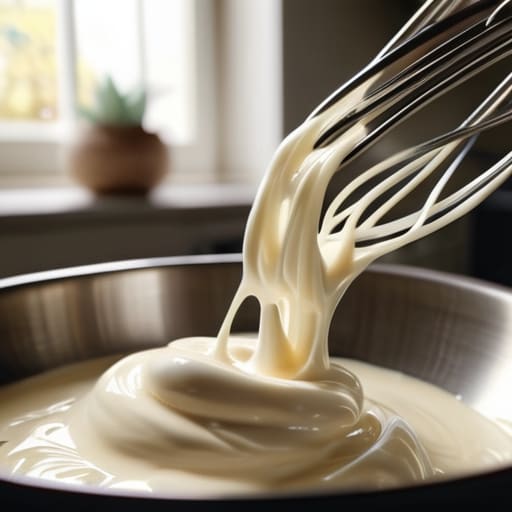
I spent twenty years in high-pressure commercial kitchens, and if there is one thing I learned, it’s that most kitchen gadget aisles are designed to separate you from your hard-earned money. You’ll see these ridiculous, battery-operated contraptions that promise to do all the work for you, but they usually end up being nothing more than expensive plastic clutter that dies in a junk drawer after three months. When you’re trying to emulsify a delicate vinaigrette or whip up a proper custard, you don’t need a gadget with a motor that smells like burning ozone; you need a reliable, heavy-duty handheld whisk that actually has some weight to it.
I’m not here to sell you on the latest culinary trend or some over-engineered piece of tech. My goal is to help you cut through the noise and find the one tool that will actually survive a decade of daily use. I’m going to show you exactly what to look for in terms of wire gauge, handle grip, and balance so you can stop wasting money on junk. We’re going to focus on tools that work, because a well-built whisk is a fundamental part of a kitchen that actually serves you.
Table of Contents
- Balloon Whisk vs French Whisk Choosing Lasting Quality
- Mastering Manual Whisking Techniques for Better Results
- Five Ways to Stop Fighting Your Equipment and Start Cooking
- The Bottom Line on Your Next Whisk
- The Truth About Your Utensil Drawer
- Don't Settle for Less Than Durable
- Frequently Asked Questions
Balloon Whisk vs French Whisk Choosing Lasting Quality
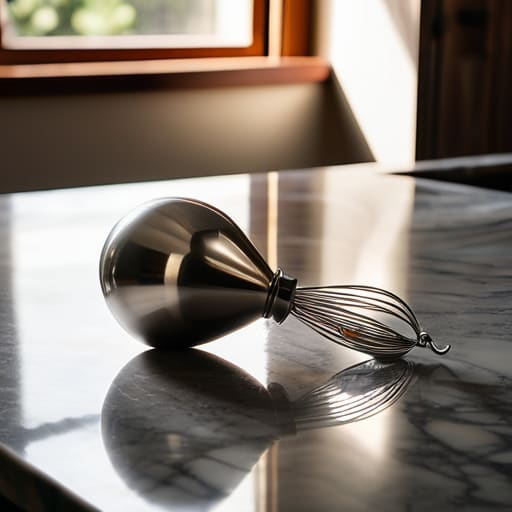
When you’re standing at your counter deciding between a balloon whisk vs French whisk, don’t let the marketing fool you into thinking you need both. In my years managing catering crews, I learned that most people just need one tool that does the job right. A classic balloon whisk is your workhorse; those wide, rounded loops are designed for maximum volume. If you are looking for the best whisk for meringue or any heavy cream, the balloon shape is non-negotiable because it pulls in the most air.
On the other hand, the French whisk is slimmer and more elongated. It’s a specialized tool meant for precision—think emulsifying a delicate vinaigrette or getting into the tight corners of a saucepan where a bulky balloon might struggle. While it’s excellent for certain manual whisking techniques, it won’t give you that same airy lift for batters. My advice? Stick to a high-quality, heavy-gauge stainless steel balloon whisk for your daily needs. It’s a foundation piece that won’t bend under pressure, saving you from the cycle of replacing cheap, flimsy metal every few months.
Mastering Manual Whisking Techniques for Better Results
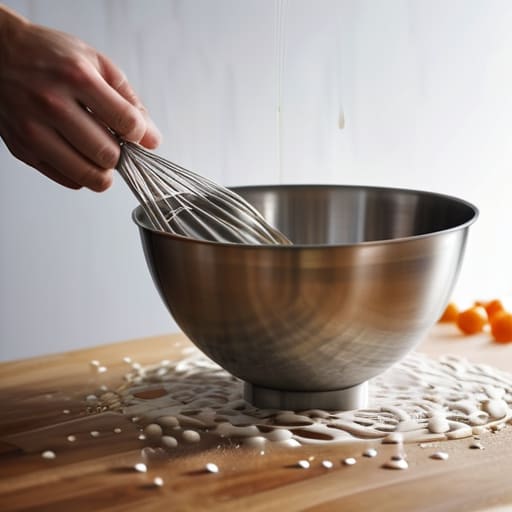
Once you’ve picked out a tool that actually feels substantial in your hand, you have to learn how to use it properly. I see so many people just scrubbing the tool back and forth in a straight line, which is a waste of energy and won’t get you the results you want. If you want to master manual whisking techniques, you need to move your wrist in a figure-eight motion. This creates more turbulence in the liquid, allowing for much better aeration than that repetitive, robotic sawing motion. It’s about working with the physics of the tool, not fighting against it.
When you are working on something delicate, like a stiff meringue, your technique dictates the final texture. If you are using the best whisk for meringue, you want to incorporate air rapidly without overworking the proteins until they become grainy. I always tell my clients to watch the volume of the mixture rather than the clock. Also, don’t forget that your physical comfort matters; using ergonomic kitchen tools with a well-balanced handle will prevent your forearm from cramping during those long sessions of emulsifying a hollandaise or whipping heavy cream.
Five Ways to Stop Fighting Your Equipment and Start Cooking
- Check the construction before you buy. If the wires are just glued into the handle, toss it back on the shelf. I want to see stainless steel wires that are securely welded into a solid, ergonomic handle; anything less will eventually wiggle loose and end up in your sauce.
- Size matters more than you think. Don’t try to whip a dozen egg whites in a tiny bistro whisk, and don’t try to stir a small bowl of vinaigrette with a massive balloon whisk. Match the diameter of the whisk to the vessel you’re actually using to avoid splashing and wasted effort.
- Stop neglecting the cleaning process. I see so many people let dried egg or flour crust up in the tight spaces where the wires meet the handle. Rinse it under hot water immediately after use, or better yet, give it a quick scrub in the sink right away so you aren’t fighting stubborn residue later.
- Pay attention to the weight in your hand. A whisk should feel like an extension of your arm, not a heavy, unbalanced burden. If it feels clunky or awkward when you hold it, your wrist is going to pay the price during a long prep session.
- Invest in a heavy-duty gauge. Thin, flimsy wires bend the moment they hit a thick custard or a heavy batter. Look for a whisk with substantial wire thickness—it might cost a few extra dollars upfront, but it won’t deform the first time you try to do any real work.
The Bottom Line on Your Next Whisk
Stop buying cheap, lightweight whisks that bend under pressure; look for heavy-duty stainless steel with a solid, ergonomic handle that won’t snap when you’re halfway through a thick custard.
Match your tool to the task—use a balloon whisk for aeration and volume, but keep a slim French whisk on hand for getting into the tight corners of pans and emulsifying sauces.
A good whisk is a lifetime investment, not a disposable gadget, so prioritize build quality over flashy colors or “smart” features that add nothing to your actual cooking.
The Truth About Your Utensil Drawer
I’ve seen too many people clutter their drawers with cheap, spring-loaded gadgets that lose their tension after a month of use. If you want a whisk that actually works, skip the novelty items and buy one piece of solid stainless steel that feels substantial in your hand; it’s the difference between fighting your ingredients and actually mastering them.
Rosalind Hayter
Don't Settle for Less Than Durable
At the end of the day, choosing the right whisk comes down to understanding how you actually cook. Whether you decide on a sturdy balloon whisk for aerating heavy creams or a slim French whisk for getting into the tight corners of a saucepan, the goal remains the same: efficiency and longevity. I’ve seen far too many people buy those cheap, thin-wired sets that bend the moment they hit a thick batter, and frankly, it’s a waste of your hard-earned money. Focus on the weight of the handle and the strength of the welds where the wires meet the frame. If you invest in a tool built with professional-grade materials, you won’t find yourself digging through a junk drawer for a replacement in six months.
A well-organized kitchen is built on the foundation of reliable tools and consistent habits. A whisk might seem like a small, simple thing, but it is the bridge between a lumpy sauce and a silky-smooth masterpiece. Don’t let the allure of expensive electric gadgets distract you from the fundamental skill of manual control. When you master the rhythm of your hands and the quality of your gear, you aren’t just making food; you are building a legacy of competence in your own home. Buy it once, use it well, and make it work for you.
Frequently Asked Questions
How do I know if the wire loops are actually stainless steel or just cheap plating that's going to rust after three washes?
Don’t let a shiny finish fool you; that’s often where the deception starts. The quickest way to tell is the weight and the magnet test. Real, high-quality stainless steel—specifically 18/10—has a substantial, balanced heft. Grab a magnet: if it sticks strongly to the wires, it’s likely a cheaper grade prone to pitting. If it’s truly solid stainless, the magnet should barely react. If it feels light as a feather, put it back.
Is it worth spending the extra money on a whisk with a silicone-coated handle, or is a plain metal one better for long-term durability?
Go with the plain metal. I’ve seen too many silicone handles peel, crack, or get gummy after a few years of heavy use and dishwasher cycles. They feel nice at first, but they aren’t built for the long haul. A solid stainless steel handle is hygienic, indestructible, and won’t fail you when you’re halfway through a thick roux. If you’re worried about grip, just find a high-quality metal whisk with a well-balanced weight.
When should I actually bother using a whisk instead of just using a spoon or a fork to mix my ingredients?
Look, if you’re just stirring a pot of soup or moving some grains around, a spoon is perfectly fine. Don’t overcomplicate it. But the moment you need to incorporate air or break up lumps, put the spoon down. If you’re making a vinaigrette, a custard, or whipping cream, a whisk is non-negotiable. A spoon just moves mass; a whisk actually changes the texture. Do it right the first time so you aren’t fighting clumps later.
