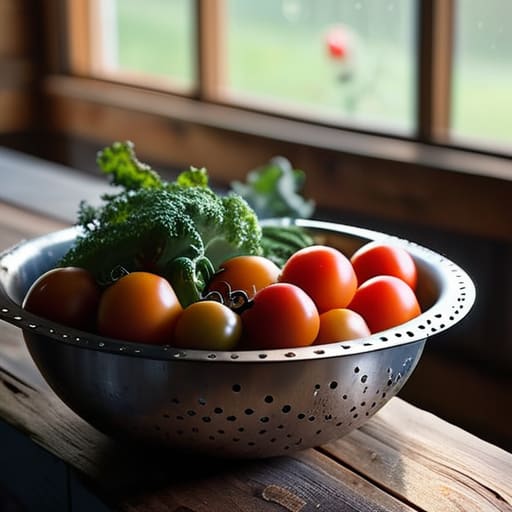
I spent two decades in commercial kitchens where efficiency was the only metric that mattered, and if there is one thing that drives me up the wall, it’s seeing people clutter their cabinets with single-use gadgets that claim to revolutionize your prep work. You don’t need a specialized “pasta strainer,” a “vegetable washer,” and a “berry rinse basket” taking up all your prime real estate. Most of those flimsy, plastic contraptions are just expensive ways to occupy space. When you strip away the marketing hype, the real magic lies in mastering a few versatile colander uses with one single, heavy-duty stainless steel piece that won’t crack under pressure.
I’m not here to sell you on a new way of life or a trendy kitchen gadget you’ll toss in the junk drawer by next Christmas. Instead, I’m going to show you how to actually work your tools so they work for you. I’ll be sharing the practical, no-nonsense ways I use a high-quality colander to streamline everything from rinsing grains to prepping garden greens, ensuring you get every cent of value out of your equipment. Let’s get your kitchen functioning properly.
Table of Contents
The Art of Washing Fresh Produce Properly
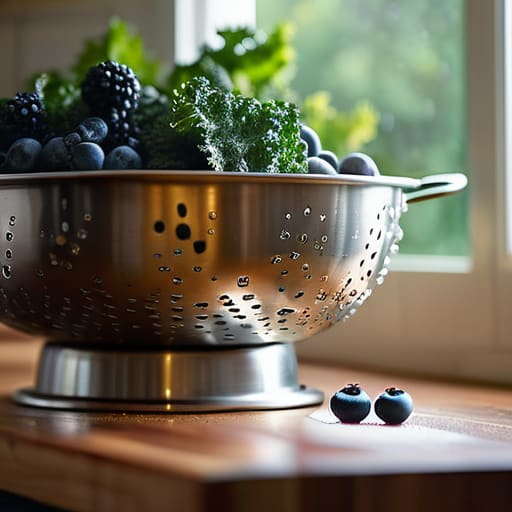
Most people treat a colander like an afterthought, something they grab only when the pasta is done. But if you want to actually extend the life of your groceries, you need to view it as one of your most essential food preparation tools. I’ve seen too many people leave berries or leafy greens in their plastic store containers, only to find a fuzzy mess of mold three days later. Instead, use your colander for thorough washing fresh produce immediately after you get home.
The trick is to be gentle. For delicate items like raspberries or spinach, don’t just blast them under a high-pressure faucet; let them sit in the colander under a light, steady stream. This method ensures you’re actually cleaning fruits and vegetables of grit and debris without bruising the surface. Once they’re rinsed, give the colander a good shake to get the excess water off. If you aren’t using a salad spinner, a high-quality stainless steel colander is your best salad spinner alternative—just make sure you let the greens air-dry on a clean towel so they stay crisp instead of turning into a soggy mess in the fridge.
Cleaning Fruits and Vegetables Without the Mess
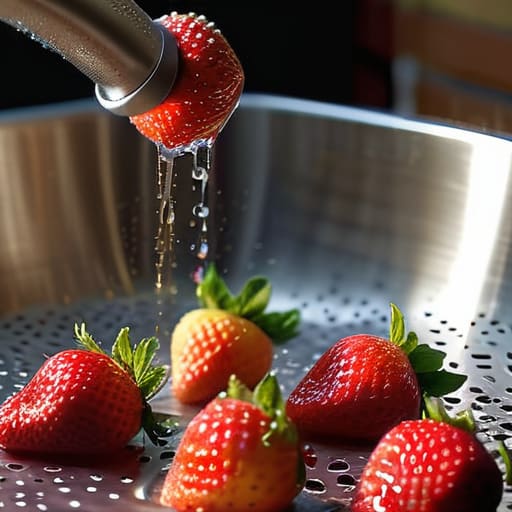
If you’re still rinsing berries in a shallow bowl or, heaven forbid, letting them sit in a puddle of lukewarm water, you’re doing it wrong. Water is a breeding ground for mold, and if you don’t get the moisture off quickly, your expensive organic produce will turn to mush before you even hit the cutting board. I always tell my clients that cleaning fruits and vegetables is about more than just rinsing; it’s about managing moisture. Using a sturdy stainless steel colander allows gravity to do the heavy lifting, pulling the water away from the delicate skins of your peaches or strawberries immediately.
For those leafy greens that seem to hold onto water like a sponge, don’t go out and buy a specialized gadget that will just clutter your cabinet. A high-quality colander is a perfectly fine salad spinner alternative if you know how to use it. Once you’ve finished washing, give the colander a gentle shake over the sink and let the greens sit for a few minutes. This simple step ensures your dressing actually sticks to the leaves instead of pooling at the bottom of the bowl.
Five Ways to Actually Use Your Colander Beyond Just Rinsing Veggies
- Stop using your colander as a temporary bowl for dry ingredients; instead, use it to drain pasta directly into the sink to avoid the “steam burn” dance when you’re trying to pour boiling water through a flimsy plastic strainer.
- Keep a medium-sized stainless steel colander near your prep station to act as a makeshift compost bin for vegetable scraps, keeping the mess contained and off your cutting board.
- Use a colander as a quick-drain station for marinated meats or tofu; let the excess liquid drip away in the fridge so you aren’t adding unnecessary moisture back into your pan during searing.
- If you’re prepping large batches of grains like quinoa or rice, use your colander as a primary rinsing vessel to wash away starch before cooking, which prevents that gummy, overcooked texture.
- For those of us who value a clean workspace, use a colander to serve as a “drainage tray” for washed herbs; let them sit in the colander for ten minutes after rinsing so they don’t turn into a soggy mess in your storage container.
My Golden Rules for Colander Use
Ditch the plastic; a heavy-duty stainless steel colander won’t crack under the weight of a heavy harvest or warp in the dishwasher.
Use your colander for more than just rinsing; it’s a vital tool for draining pasta or even cooling down small batches of boiled items.
Prioritize stability by choosing a model with a wide, sturdy base so it stays put in the sink instead of sliding around while you work.
## Stop Treating Your Colander Like an Afterthought
“A good colander isn’t just a strainer for pasta; it’s your first line of defense in food prep. If you’re still using those flimsy, lightweight plastic bowls that tip over the second you add water, you’re making your life harder than it needs to be. Get yourself a heavy-duty stainless steel model that sits firmly in the sink—it’s a tool you’ll use every single day for the next thirty years.”
Rosalind Hayter
Beyond the Basics
At the end of the day, a colander isn’t just a vessel for rinsing lettuce; it is a fundamental tool for maintaining the integrity of your ingredients and the efficiency of your workflow. From properly cleaning your produce to preventing that dreaded excess water from ruining your pasta dishes, the right strainer handles the heavy lifting of food prep. I’ve seen too many people clutter their cabinets with specialized “vegetable washers” or single-use gadgets that end up in a landfill within a year. Don’t fall for that trap. If you invest in a high-quality, heavy-duty stainless steel colander, you are covering dozens of essential tasks with a single, reliable piece of equipment that actually belongs in a professional kitchen.
My advice is simple: stop looking for the next complicated kitchen hack and start mastering the tools you already have. A well-organized kitchen isn’t built on a mountain of expensive, trendy plastic; it is built on the foundation of durable, functional essentials used with intention. When you respect your tools and understand how to use them properly, you spend less time fighting your equipment and more time actually enjoying the process of cooking. Focus on the habits that make your life easier, and I promise your kitchen will feel less like a chore and more like the heart of your home.
Frequently Asked Questions
Can I use a stainless steel colander to strain hot pasta water without it warping or getting too hot to handle?
Absolutely. In fact, a heavy-duty stainless steel colander is the only way to go for pasta. Unlike those flimsy plastic ones that melt or warp the moment they hit boiling water, high-quality steel is built for the heat. Just a tip from my years in commercial kitchens: don’t try to grab it by the rim with your bare hands. Even the best steel conducts heat, so always use a dry kitchen towel or heat-resistant mitts.
Is it better to use a fine-mesh sieve or a traditional large-hole colander for delicate items like berries?
If you’re dealing with berries, put that large-hole colander away. Those wide gaps are a recipe for losing your expensive raspberries down the drain. For anything delicate, you want a fine-mesh stainless steel sieve. It provides enough surface area to support the fruit without bruising it, and more importantly, it actually catches the small stuff. It’s a small investment that saves you the frustration of fishing blueberries out of your sink strainer.
How do I properly clean and dry my colander to prevent water spots or any lingering food residue in the holes?
Don’t just rinse it and shove it back in the cabinet. If you leave it damp, you’re inviting mildew and those annoying water spots. After washing with hot, soapy water—and I mean getting a brush into those tiny holes to clear out any stuck-on bits—give it a thorough shake. I always towel-dry mine immediately. It takes an extra thirty seconds, but it keeps the metal looking sharp and ensures your next batch of produce stays clean.
