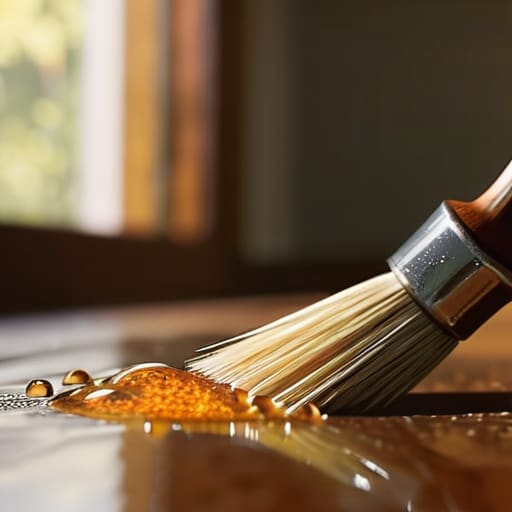
I still remember the chaos of my first large-scale catering gig, standing over a row of roasting pans while a cheap, flimsy silicone basting brush practically melted into the glaze of a prime rib. It was a mess, a waste of expensive ingredients, and a complete embarrassment to my professional standards. Most people think they need some high-tech, gadget-heavy solution to get that perfect, even coating on their proteins, but the truth is that most of those colorful, trendy tools you see in big-box stores are just disposable junk waiting to fail you.
I’m not here to sell you on a lifestyle or a dozen different specialized gadgets that will just clutter up your utensil drawer. Instead, I’m going to tell you exactly what to look for in a real, hard-working basting brush that can actually stand the heat of a commercial-grade kitchen. We’re going to skip the fluff and focus on durability, material integrity, and the kind of tools that you can actually rely on for a lifetime of Sunday roasts.
Table of Contents
The Great Debate Silicone vs Natural Bristle Brushes
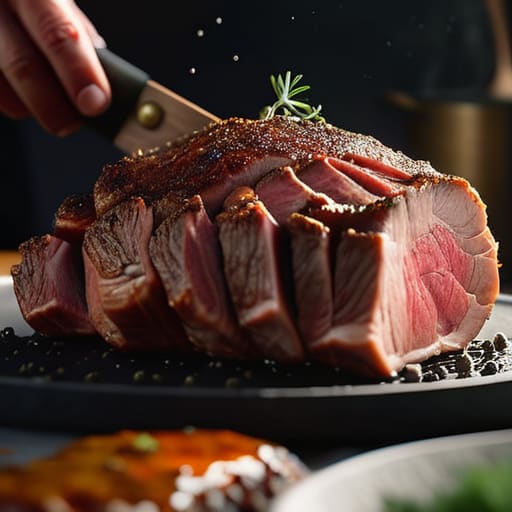
I see it every time I walk into a modern kitchen: rows of colorful, floppy silicone brushes sitting in a drawer, looking more like toys than actual culinary tools. In my years managing commercial kitchens, I learned that the silicone vs natural bristle brushes debate isn’t just about preference; it’s about performance. Silicone is easy to toss in the dishwasher, sure, but it lacks the “grab” you need. It tends to slide right over the surface of a roast instead of pulling the juices or marinade into the crevices.
If you are looking for the best kitchen tools for basting meat or even just applying butter to baked goods, you want bristles that have some backbone. Natural boar hair brushes are the gold standard because they hold onto liquids beautifully and distribute them evenly without leaving those annoying, thick streaks. While people worry about the upkeep, once you learn the trick to cleaning basting brushes effectively—just a quick rinse in warm, soapy water and a gentle pat dry—they will outlast every piece of plastic junk you own. Don’t settle for a tool that just pushes grease around.
Choosing the Best Kitchen Tools for Basting Meat
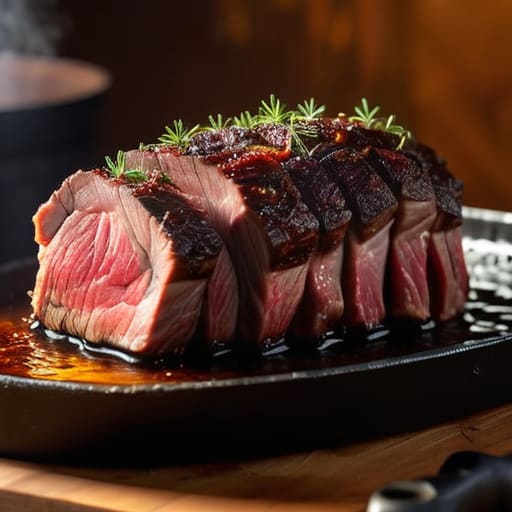
When you’re standing over a hot grill or a roasting pan, you don’t want to be fighting with a tool that’s failing you. If you’re looking for the best kitchen tools for basting meat, you need to prioritize weight and heat tolerance. I’ve seen too many people grab a cheap, thin-handled gadget that bends the moment it hits a heavy glaze. You want something with a substantial handle—preferably wood or heavy-duty stainless steel—that gives you enough leverage to move fat or juices around a large roast without losing control.
It isn’t just about the meat, either. If you’re transitioning from the stovetop to the oven, you’ll likely find yourself applying butter to baked goods or glazing a delicate pastry. In those moments, the precision of the bristles matters just as much as their durability. A brush that’s too stiff will tear your dough, while one that’s too flimsy won’t distribute the liquid evenly. Aim for a tool that feels balanced in your hand; it makes the difference between a professional-looking finish and a messy, uneven disaster.
How to actually use your brush without making a mess
- Stop dipping your brush directly into the pan. You’ll end up with a sink full of burnt grease and a ruined brush; instead, pour a little of your basting liquid into a small ramekin and dip there.
- Keep a dedicated “fat bowl” on your counter. If you’re working with butter or oil, don’t let it sit out at room temperature for too long, or you’ll be fighting clumps instead of gliding it over the meat.
- Clean your natural bristle brushes immediately after use. If you let marinade or fat dry deep into those bristles, you’re looking at a breeding ground for bacteria and a brush that’s impossible to save.
- Match the brush to the task. Don’t use your expensive, delicate pastry brush for heavy-duty meat glazing; keep a sturdier, thicker-bristled one for the grill and a finer one for delicate sauces.
- Check your bristles frequently. If you notice hairs shedding into your food, it’s time to toss it. I’ve seen too many people try to “make do” with a shedding brush, and it’s just not worth the risk to your meal.
The Bottom Line on Basting Brushes
Stop chasing silicone trends; if you want even coverage and real control, a high-quality natural bristle brush is the only tool that won’t let you down.
Invest in a brush with a sturdy, weighted handle—anything flimsy will just feel like a toy when you’re trying to manage a heavy roast or a tray of ribs.
Treat your brush like a real tool by cleaning it thoroughly after every use; a well-maintained brush will last you decades, while a neglected one is just a breeding ground for old grease.
Stop Buying Disposable Tools
I’ve seen too many people clutter their drawers with cheap silicone brushes that just smear grease around instead of painting it on. If you want a real crust on your roast, you need a brush with some backbone—something that actually holds the liquid and does the work for you.
Rosalind Hayter
The Final Verdict
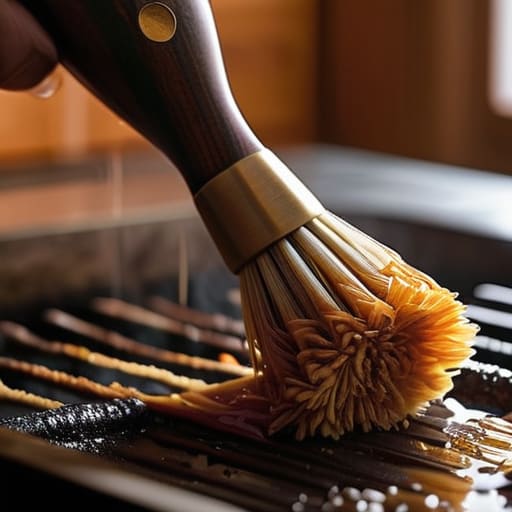
At the end of the day, don’t let the endless aisle of kitchen gadgets overwhelm you. If you’ve listened to anything I’ve said, you know that the goal isn’t to own every tool on the shelf, but to own the right ones. Whether you decide on a heavy-duty natural bristle brush for that perfect glaze or a high-quality silicone option for easy cleanup, make sure it’s built to endure. Avoid the cheap, flimsy versions that lose their shape after three uses; instead, invest in something that feels substantial in your hand and can handle the heat of a working kitchen for years to come.
A well-equipped kitchen isn’t about prestige or having a drawer full of plastic junk; it’s about having the confidence to step up to the stove and execute your vision. A good basting brush is a small thing, but it’s a small thing that makes a massive difference in the texture and flavor of your food. Stop overthinking the gear and start focusing on the technique and the ingredients. Once you have a few reliable, lifetime tools in your arsenal, the rest is just practice. Now, get in there and start cooking something worth the effort.
Frequently Asked Questions
How do I properly clean a natural bristle brush without the hairs falling out?
The secret is to never, ever soak a natural bristle brush in a sink full of water. That’s how you loosen the glue and end up with bristles in your gravy. Instead, rinse it under warm running water immediately after use. Use a tiny bit of mild dish soap, massage the bristles with your fingers, and then—this is the crucial part—pat it dry and stand it upright to air dry.
Is it safe to use a basting brush when working with high-heat oils or open flames?
Listen, this is where people get careless and end up with a melted brush or a singed eyebrow. If you’re working over an open flame or with high-heat oils, you have to be incredibly intentional. Natural bristles are your best bet here because they won’t turn into a puddle of goo, but you still can’t let them sit in the heat too long. Keep the brush away from the direct flame; use it to coat, then pull back.
Can I use the same brush for both savory meat glazes and delicate pastry washes?
Technically, yes, but if you want to do it right, I’d suggest having two. If you’re using a heavy-duty natural bristle brush for garlic butter and meat glazes, you’re going to struggle to get that same precision on a delicate pastry wash. Those thick bristles can tear fragile dough or leave uneven streaks on a tart. Keep one dedicated to the heavy lifting and a smaller, finer one for your sweets. It prevents cross-contamination and keeps your pastry looking professional.
