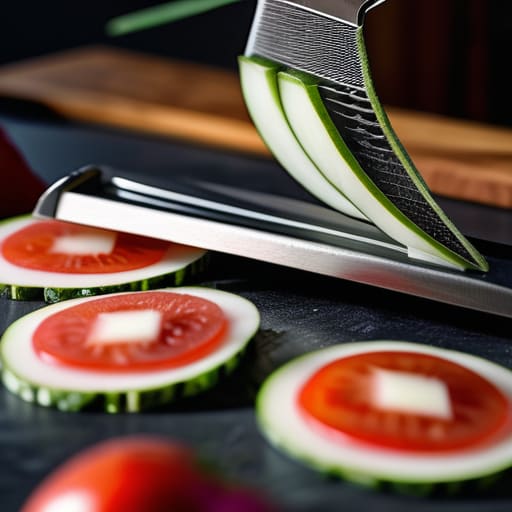
I still remember a frantic Friday night rush in the catering kitchen back in the late nineties, the air thick with steam and the frantic rhythm of knives hitting boards. I watched a junior prep cook try to hand-slice a mountain of cucumbers for a salad course, his hands shaking and his speed nowhere near where it needed to be. He was struggling because he was trying to do with a chef’s knife what a mandoline slicer was designed to do in a fraction of the time. But then I saw him reach for one of those cheap, flimsy plastic models from a discount department store, and I knew he was in for a bad time—and likely a trip to the emergency room.
I’m not here to sell you on some high-tech, multi-functional gadget that promises to do everything but ends up cluttering your drawers. My goal is to help you identify a professional-grade tool that actually stays sharp and keeps your fingers intact. I’m going to walk you through exactly what to look for in a heavy-duty mandoline, from blade stability to safety guards, so you can invest in quality rather than wasting money on kitchen junk that won’t last the season.
Table of Contents
- Precision Over Speed Achieving Perfectly Uniform Vegetable Slices
- The Food Processor Alternative You Actually Need
- How to Use a Mandoline Without Losing a Finger (or Your Patience)
- The Bottom Line on Slicing
- A Tool for Precision, Not Just Speed
- Stop Searching and Start Slicing
- Frequently Asked Questions
Precision Over Speed Achieving Perfectly Uniform Vegetable Slices
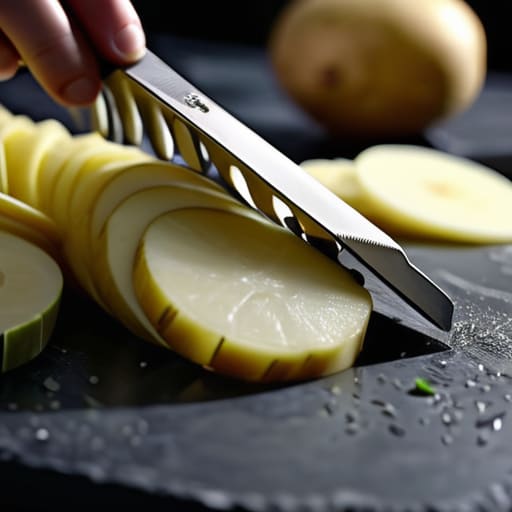
When I was managing high-volume catering lines, consistency wasn’t just about aesthetics; it was about even cooking. If you throw a handful of unevenly sliced potatoes into a pan, you’ll end up with some mushy bits and some crunchy ones. That’s where a high-quality tool becomes a true food processor alternative. Instead of the blunt, uneven results you get from a knife when you’re in a rush, a professional-grade slicer gives you those perfectly uniform vegetable slices that ensure every piece hits the heat at the exact same time.
The secret lies in the mechanics. You want a unit with adjustable thickness settings that actually stay locked in place while you work. If the dial slips halfway through a radish, you’ve just wasted half your prep work. I always tell my clients to look for heavy-duty stainless steel blades that can handle the resistance of a dense sweet potato without shuddering. It’s about that tactile control—knowing that every slice, from paper-thin to a hearty quarter-inch, is going to be exactly what you intended.
The Food Processor Alternative You Actually Need
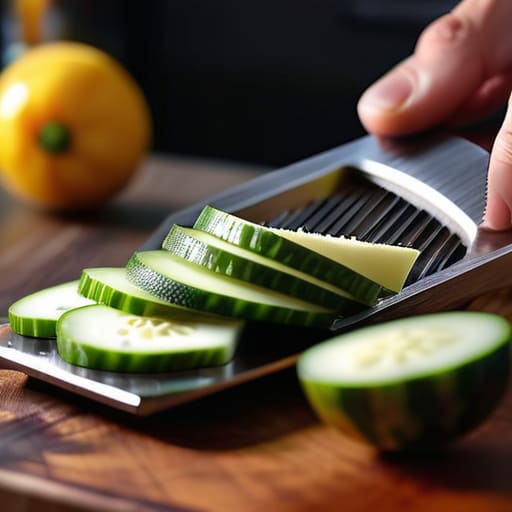
I see people reach for their massive, ten-pound food processors the second they need to prep a salad, and frankly, it’s overkill. Those machines are great for heavy lifting, but they are a nightmare to clean and often turn your vegetables into a mushy, uneven mess. If you are looking for a true food processor alternative for daily prep, you need to look toward manual slicing tools that prioritize control. A high-quality manual slicer gives you those razor-thin, uniform vegetable slices that a spinning blade simply can’t replicate without destroying the texture.
When I’m sketching out kitchen layouts for clients, I always advise them to prioritize tools that do one thing exceptionally well. Instead of a cluttered cabinet full of motorized gadgets, invest in a manual unit with adjustable thickness settings and high-grade stainless steel blades. It’s about efficiency and longevity. You get the precision of a chef without the constant battle of scrubbing plastic attachments in the sink. Just make sure you never, ever skip using the mandoline slicer safety guard—no amount of culinary skill is worth a trip to the emergency room.
How to Use a Mandoline Without Losing a Finger (or Your Patience)
- Buy a high-quality hand guard and actually use it. I’ve seen too many home cooks think they’re too skilled to need one, but a slip is a slip, and no amount of kitchen experience makes your skin tougher than a steel blade.
- Invest in a slicer with replaceable blades. Don’t buy a cheap unit where the whole machine goes in the trash the moment the edge dulls; look for a professional-grade frame that lets you swap out the steel.
- Keep your vegetables dry before you start slicing. If you’re working with damp cucumbers or washed radishes, the slices will slide around on the surface, which is exactly when accidents happen.
- Check your blade alignment frequently. If you notice the slices starting to look ragged or uneven, stop immediately. A dull or misaligned blade doesn’t just ruin the food; it forces you to apply more pressure, which is how you lose control.
- Clean it immediately after every use. Dried starch from potatoes or sugars from onions will turn into a sticky mess that ruins the precision of the next slice and makes the cleaning process a nightmare.
The Bottom Line on Slicing
Stop buying cheap, plastic slicers that wobble; invest in a heavy-duty, stainless steel model that stays stable on your counter and actually holds its edge.
Safety isn’t optional—if the tool doesn’t come with a reliable guard or a way to protect your fingers, leave it on the store shelf.
A mandoline is a tool for precision, not a shortcut for laziness; use it when uniformity matters for even cooking, but don’t let it replace your basic knife skills.
A Tool for Precision, Not Just Speed
“I’ve seen too many people clutter their drawers with cheap, plastic slicers that wobble when you use them; if you aren’t going to invest in a heavy-duty, professional-grade mandoline, you’re better off just using a chef’s knife and a little patience.”
Rosalind Hayter
Stop Searching and Start Slicing
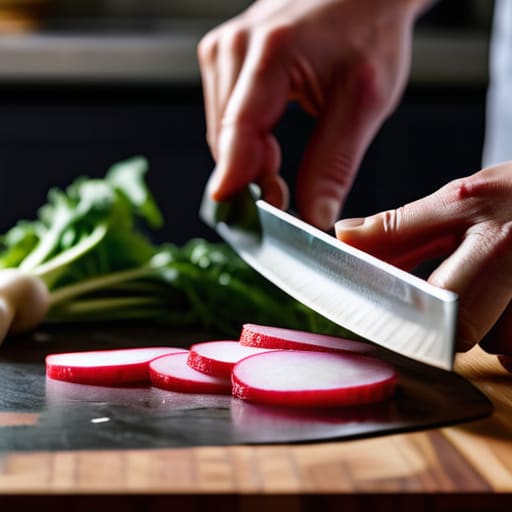
At the end of the day, a mandoline isn’t just another piece of clutter to shove into a drawer; it is a fundamental tool for anyone serious about their prep work. We’ve discussed why you need to prioritize heavy-duty construction over those cheap, colorful plastic versions that snap the first time you try to slice a radish. We’ve also clarified that while a food processor is great for bulk work, it can’t replicate the delicate, paper-thin precision of a manual blade. If you invest in a high-quality, stainless steel model and commit to learning the proper safety techniques, you aren’t just buying a gadget—you are investing in your own efficiency and the quality of every meal you serve.
My advice is simple: don’t let the fear of a sharp blade keep you from mastering a tool that will serve you for the next twenty years. A kitchen is only as good as the habits you build within it, and learning to respect your equipment is the first step toward professional-level results at home. Stop settling for unevenly cooked vegetables and inconsistent salads. Buy the right tool, keep it sharp, and make it work for you. Once you find your rhythm with a proper mandoline, you’ll wonder how you ever managed without it.
Frequently Asked Questions
How do I keep my fingers safe without using those flimsy plastic guards that always slip?
Look, those flimsy plastic guards are a joke; they slide right off the moment things get slippery. If you want to keep your fingers intact, stop relying on them. Instead, invest in a high-quality stainless steel hand guard or, better yet, a specialized finger shield that actually grips. But honestly? The best way to stay safe is to master your technique and use a firm, steady hand. If the tool feels unstable, put it down.
Is it worth spending the extra money on a professional-grade stainless steel model over the cheaper ones at big-box stores?
Look, I’ve seen enough flimsy, $20 plastic slicers end up in the trash to know the answer. If you buy the big-box version, you’re paying for a headache. The blades dull in a month, the frame wobbles, and frankly, they’re dangerous when they slip. Spend the extra money on a professional stainless steel model. It’s an investment in stability and edge retention. Buy it once, keep it for twenty years, and stop wasting money on junk.
What’s the best way to clean and sharpen the blades so they don't end up rusting in my drawer?
First, stop letting them sit in a sink of soapy water; that’s how you invite rust. Hand-wash your blade with warm water and a soft sponge immediately after use, then dry it thoroughly with a clean towel. Never, ever put a mandoline in the dishwasher—it’ll ruin the edge and the frame. For sharpening, use a honing rod or a fine-grit whetstone. Keep it sharp, keep it dry, and it’ll last a lifetime.
