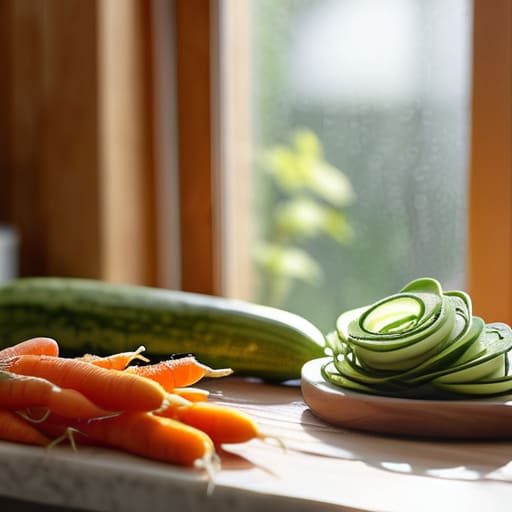
I’ve spent two decades in commercial kitchens, and if there is one thing I’ve learned, it’s that most kitchen gadgets are just expensive landfill waiting to happen. I see them every time I walk into a home organization client’s house: those flimsy, neon-colored plastic spiralizer kits tucked away in the back of a junk drawer, broken or unused. They promise “effortless” veggie noodles, but in reality, they snap under the slightest pressure from a decent zucchini or leave you with a pile of mush instead of actual strands. I’m tired of seeing people throw money at trendy plastic junk that can’t handle a real day of meal prep.
I’m not here to sell you on a lifestyle trend or a piece of countertop clutter. My goal is to help you identify the few heavy-duty, professional-grade tools that actually earn their keep in a functional kitchen. I’m going to walk you through what to look for in a real spiralizer—from blade durability to ease of cleaning—so you can invest in something that actually lasts a lifetime. Let’s cut through the marketing hype and get down to the brass tacks of what works.
Manual vs Electric Spiralizer Choosing Strength Over Convenience
## Manual vs Electric Spiralizer: Choosing Strength Over Convenience
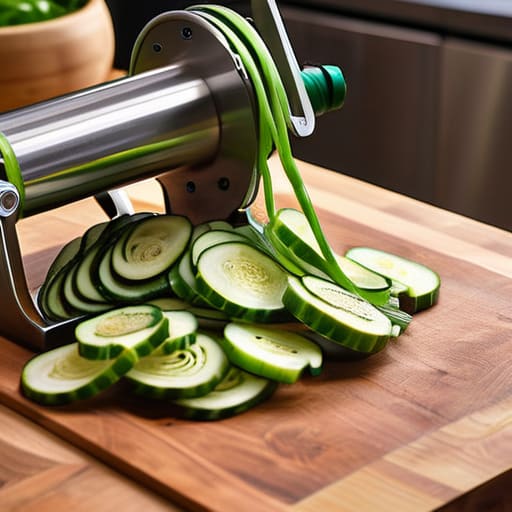
I’ve seen too many people get lured in by those flashy electric models that promise to do all the heavy lifting. They look great on a countertop, but in my experience, they’re often just another piece of plastic clutter that’s a nightmare to clean. When you’re looking at the manual vs electric spiralizer debate, you have to ask yourself how much weight you actually want in your cabinets. Electric versions can handle larger batches, but they often lack the precision and the build quality needed for daily use. If you aren’t planning on processing a mountain of produce every single night, that extra motor is just wasted energy and space.
On the other hand, a high-quality manual tool is a workhorse. It gives you total control over the thickness of your strands, which is vital when you’re experimenting with different low carb vegetable alternatives. A sturdy, hand-cranked model with stainless steel components won’t break down on you when you’re halfway through a butternut squash. It’s easier to store, easier to wash, and—most importantly—it actually works without needing an outlet. For me, reliability always beats a shortcut.
The Secret to Kitchen Gadget Efficiency and Long Term Value
The real secret to kitchen gadget efficiency isn’t about how many buttons a machine has; it’s about how often you actually reach for it. I’ve seen too many people buy a bulky electric unit that ends up gathering dust in the back of a pantry because it’s a pain to clean. If a tool creates more work than the meal is worth, it’s not an asset—it’s clutter. I always tell my clients to look for tools that integrate seamlessly into their existing workflow. If you’re looking for low carb vegetable alternatives, you need a tool that is easy to rinse and quick to put away, or you simply won’t use it when you’re tired after a long workday.
True long-term value comes from durability and versatility. Instead of chasing the latest trend, focus on how the tool handles the best vegetables for spiralizing, like sturdy butternut squash or crisp cucumbers. A high-quality piece of equipment should feel substantial in your hand and withstand daily use without losing its edge. When you invest in gear that is built to last, you aren’t just buying a tool; you’re investing in a sustainable way to cook that won’t leave you hunting for replacements in six months.
How to Actually Use a Spiralizer Without Losing Your Mind
- Don’t bother with soft, overripe vegetables; if your zucchini is mushy, it’s going to turn into a watery mess in the machine, so stick to firm, fresh produce.
- Invest in a heavy-duty model with stainless steel blades rather than those cheap, stamped-metal versions that dull the moment they hit a carrot.
- Prep your vegetables by trimming the ends straight so they sit flush against the device; if they wobble, you’re going to end up with uneven strips and a lot of wasted food.
- Keep a small bowl of ice water nearby to shock your veggie noodles immediately after spiralizing; it helps maintain that “al dente” texture instead of letting them limp out on the cutting board.
- Clean your tool immediately after use—dried vegetable starch is a nightmare to scrub off once it hardens in the crevices of the blades.
The Bottom Line on Buying Your Next Spiralizer
Skip the electric models if you want something that won’t end up in a landfill by next year; a sturdy manual spiralizer gives you more control and lasts much longer.
Don’t be fooled by flimsy plastic components; look for heavy-duty construction and stainless steel blades that can actually handle a tough butternut squash.
Prioritize tools that serve a purpose in your actual cooking routine rather than buying gadgets just because they look good on a social media feed.
Making the Right Call for Your Kitchen
At the end of the day, choosing a spiralizer isn’t about finding the flashiest gadget on a social media feed; it’s about deciding how you actually want to work in your kitchen. We’ve looked at why the heavy-duty manual models often beat out the flimsy electric ones for longevity, and why prioritizing build quality over sheer convenience is the only way to avoid the dreaded “junk drawer” cycle. If you invest in a tool made of real stainless steel rather than cheap, injection-molded plastic, you aren’t just buying a vegetable cutter—you’re buying a piece of equipment that will actually be there for you five years from now. Don’t let a $15 impulse buy clutter your workspace and end up in a landfill by next season.
My advice is simple: stop looking for shortcuts and start looking for tools that endure. A kitchen is a workspace, not a showroom, and every item you bring into it should earn its keep through durability and purpose. Once you have the right equipment, the rest is just practice and habit. Get the right tool, learn how to use it properly, and then get to cooking. Your kitchen—and your wallet—will thank you for it.
Frequently Asked Questions
How do I actually clean these things without losing my mind or breaking the blades?
Don’t just toss them in the dishwasher; that’s how you end up with dull blades and cracked plastic. I always keep a stiff-bristled dish brush on hand. Scrub the blades under running water immediately after use—once vegetable starch dries, it’s like cement. For the tight crevices where bits get stuck, use a toothpick or a small crevice tool. It takes an extra minute, but it beats replacing a broken gadget next month.
Is it worth getting a specialized spiralizer, or should I just stick to a heavy-duty mandoline?
If you’re looking for versatility, get the mandoline. I’ve seen too many people clutter their drawers with single-use gadgets that only do one thing. A heavy-duty mandoline can slice, julienne, and shave vegetables with much more precision and less cleanup. Unless you are making massive batches of zucchini noodles every single night for a catering gig, a specialized spiralizer is usually just more plastic taking up space. Stick to the tool that does more.
Which vegetables are actually worth the effort, and which ones just turn into mush no matter what tool I use?
Don’t bother with cucumbers or tomatoes; they’re too watery and will just leave you with a puddle of mush. If you want results that actually hold their shape on a plate, stick to the heavy hitters: zucchini, carrots, and butternut squash. They have the density to stand up to the blade and the structure to stay “al dente” once they hit the pan. If it’s soft before you spiralize it, it’s a lost cause.
