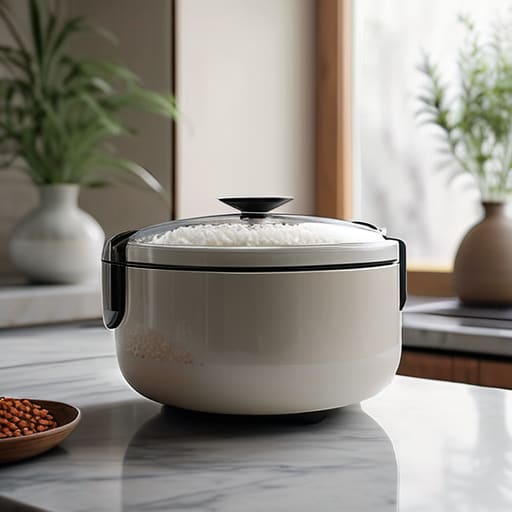
I’ve spent twenty years in commercial kitchens, and if there’s one thing that drives me up the wall, it’s seeing people throw money away on high-tech, flashing-light gadgets that do nothing but take up counter space. I see these “smart” appliances in every home organization project I take on, and frankly, most of them are just overpriced plastic junk. You don’t need a machine with a touchscreen and a Wi-Fi connection to boil water and steam grain; you need a reliable electric rice cooker that does one job perfectly every single time you hit the button.
I’m not here to sell you on the latest kitchen trend or some shiny, disposable gadget that’ll end up in a landfill by next Christmas. Instead, I’m going to pull back the curtain and show you exactly what to look for in a machine that actually lasts a lifetime. We’re going to focus on build quality, heating consistency, and functional design—the stuff that actually matters when you’re standing in your kitchen at 6:00 PM. I promise to give you the straight truth so you can invest in a tool that earns its keep.
The Magic of Induction Heating Technology
If you’re looking at a sea of options, you’ll notice some models boast induction heating technology while others use a standard heating plate at the bottom. In my years managing commercial kitchens, I learned that how heat is distributed is the difference between a perfect grain and a scorched mess. Standard cookers heat from the bottom up, which often leaves the bottom layer mushy and the top layer undercooked. Induction, however, uses magnetic currents to heat the entire vessel more evenly. It’s a more precise, controlled way to cook, and it’s worth the extra investment if you actually care about texture.
This precision is especially vital when you move beyond basic white rice. If you’re someone who prefers heartier grains, you’ll want a machine with dedicated brown rice cooking modes. These settings use that steady, consistent heat to penetrate the tougher outer bran of the grain without turning the center into paste. It’s about working smarter, not harder. When the heat is consistent, you aren’t constantly hovering over the machine; you can trust the technology to do the heavy lifting for you.
Why a Quality Non Stick Inner Pot Matters
Look, I’ve seen too many people treat the inner pot like an afterthought, but that’s a mistake that will cost you every single time you sit down to eat. If you buy a cheap unit with a thin, flimsy coating, you’re going to be scraping at the bottom of the bowl with a metal spoon within six months, ruining the surface and leaving you with a mess of burnt grains. You want a heavy-duty non-stick inner pot that actually holds heat evenly. When the coating is high-quality, the rice releases perfectly every time, meaning you spend less time scrubbing and more time actually enjoying your meal.
It also comes down to how the machine handles different grains. If you’re someone who prefers whole grains, you’ll notice that specialized brown rice cooking modes rely heavily on the pot’s ability to maintain consistent, steady heat without creating hot spots. A thick, well-constructed pot ensures that even the toughest husks soften properly. Don’t settle for a lightweight tin bucket; invest in a model with a substantial pot that feels like it belongs in a professional kitchen.
Five Rules for Buying a Rice Cooker That Won't End Up in a Landfill
- Stop chasing the “smart” features. You don’t need a machine that connects to your Wi-Fi or sends notifications to your phone; you need a machine that heats evenly. If the interface looks more like a smartphone than a kitchen tool, walk away.
- Prioritize the weight of the inner pot. A thin, flimsy aluminum pot is a recipe for unevenly cooked grains and a short lifespan. Look for a heavy-duty, thick-walled pot that retains heat—it’s the difference between mushy rice and perfect texture.
- Check the seal, not just the buttons. A high-quality cooker needs a heavy, silicone-gasketed lid that creates a genuine vacuum. If the steam escapes easily during the cycle, your rice will be dry and your machine will burn out prematurely.
- Buy for your actual volume, not your “guest” volume. If you’re a single person or a couple, don’t buy a massive 10-cup commercial-sized unit just because it’s on sale. A smaller, high-quality unit maintains better temperature control for smaller batches.
- Look for easy-to-clean parts. If the lid isn’t detachable or the steam vent is a nightmare to scrub, you won’t use it. I’ve seen too many people abandon perfectly good cookers simply because they couldn’t get the old starch out of the crevices.
My Golden Rules for Choosing a Rice Cooker
Don’t get distracted by fancy touchscreens or “smart” features that will be obsolete in two years; focus on the heating technology and the quality of the inner pot.
Invest in a heavy-duty, high-quality non-stick coating to prevent the constant, frustrating scraping that ruins both your rice and your cookware.
Look for a machine that offers consistent, reliable heat distribution, because if the temperature fluctuates, you’re just going to end up with unevenly cooked, mushy grains.
Making the Right Choice for Your Kitchen
At the end of the day, choosing a rice cooker shouldn’t feel like a gamble. We’ve talked about why you need to look past the flashy buttons and focus on the fundamentals: induction heating for consistent temperature control and a heavy-duty, high-quality inner pot that won’t flake off into your food after six months. If you invest in a machine that respects the science of the grain and uses materials built to last, you aren’t just buying an appliance; you are buying consistency. Don’t let a cheap, plastic-heavy model clutter your counter and end up in a landfill by next Christmas. Buy it once, buy it right, and let the machine do the heavy lifting.
My philosophy has always been that a well-run kitchen is built on reliability, not novelty. A good rice cooker is one of those quiet workhorses that stays in the background, doing its job perfectly every single time you press start. Once you have the right tools, you can stop worrying about whether the rice will be mushy or burnt and start focusing on the joy of the meal itself. Remember, the best kitchen setups aren’t about having the most gadgets; they are about having the right tools that empower you to cook with confidence. Invest in quality, simplify your routine, and enjoy the results.
Frequently Asked Questions
Is it actually worth paying the extra money for an induction model, or will a basic heating plate get the job done?
Look, if you’re just making a quick batch of white rice once a week, a basic heating plate is fine. But if you actually cook—if you want consistent texture without that gummy, uneven mess at the bottom—go with induction. It’s more precise, it heats more evenly, and it’s faster. It costs more upfront, sure, but I’d rather invest in a tool that respects my ingredients than struggle with a cheap one every single night.
How do I know if the inner pot is built to last or if it's just another thin, cheap coating that's going to flake off in six months?
Here’s the truth: if the pot feels light like an empty soda can, put it back on the shelf. A quality inner pot needs heft; that weight usually means a thicker core that distributes heat evenly. When you tap it, it should sound solid, not tinny. Most importantly, look for high-quality ceramic or heavy-duty non-stick coatings. If the manufacturer can’t tell you exactly what the coating is made of, it’s probably cheap junk.
Do I really need all these different settings, or am I just paying for extra buttons I'll never press?
Look, I get it. You see a control panel with twenty different buttons and think you’re paying a premium for bells and whistles. Most of the time, you’re right. If you only ever make white rice, you don’t need a machine that thinks it’s a sous-vide. But a few key settings—like a dedicated brown rice mode or a slow cook function—actually matter. They manage heat curves you just can’t replicate with a stovetop. Stick to the basics, but don’t skimp on the versatility.
