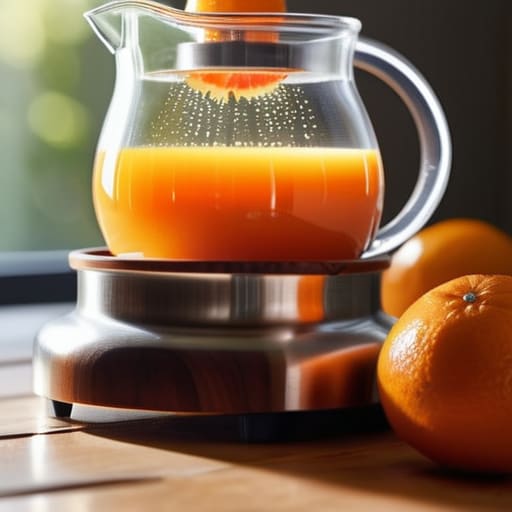
I spent two decades in commercial kitchens where efficiency wasn’t a luxury—it was a requirement. I’ve seen enough “revolutionary” kitchen gadgets end up in the back of a junk drawer to last a lifetime, and the flimsy, plastic citrus juicer is at the top of that list. There is nothing more frustrating than trying to squeeze a single lemon for a vinaigrette, only to have a cheap, motorized contraption crack or stall halfway through the job. You don’t need a machine that takes up half your counter space and requires a manual just to operate; you need something that actually works without the unnecessary bells and whistles.
In this guide, I’m stripping away the marketing hype to tell you what you really need to know. I’m going to walk you through the different types of tools—from the heavy-duty manual presses I still use in my own kitchen to the few electric models actually worth the investment. My goal isn’t to help you spend more money, but to help you buy for a lifetime. We’re going to find you a tool that is built to last, simple to clean, and makes your morning routine a little less of a chore.
Table of Contents
- Why Stainless Steel Juicing Equipment Outlasts Trendy Gadgets
- The Real Truth About Manual vs Electric Juicers
- How to Choose a Juicer That Actually Earns Its Spot on Your Counter
- The Bottom Line on Juicing Right
- The Cost of Convenience
- Making the Right Choice for Your Countertop
- Frequently Asked Questions
Why Stainless Steel Juicing Equipment Outlasts Trendy Gadgets
I’ve spent two decades in commercial kitchens, and if there is one thing I’ve learned, it’s that plastic is the enemy of longevity. Most people head to a big-box store and grab some lightweight, colorful gadget that promises the world but cracks the moment you apply real pressure to a stubborn lemon. Those trendy kitchen countertop appliances are often designed for aesthetics rather than endurance. They rely on thin gears and flimsy housings that eventually strip or snap, leaving you with nothing but a drawer full of useless clutter.
When you switch to stainless steel juicing equipment, you’re making a fundamental shift in how you approach your kitchen. Unlike their plastic counterparts, high-quality steel doesn’t leach flavors, it doesn’t stain from citrus oils, and most importantly, it doesn’t degrade under heavy use. When comparing manual vs electric juicers, I always lean toward the manual steel press for home use. It’s a simple, mechanical advantage that won’t burn out a motor or require a replacement part every two years. You aren’t just buying a tool; you’re investing in a piece of gear that will still be sitting on your counter a decade from now.
The Real Truth About Manual vs Electric Juicers
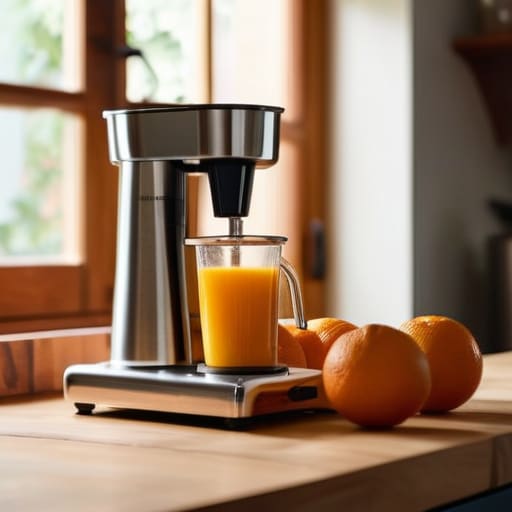
In my years managing catering lines, I’ve seen both sides of this debate, and the truth is usually simpler than the marketing makes it out to be. When people ask me about manual vs electric juicers, they’re usually looking for the “easiest” route, but ease is subjective. An electric machine is a powerhouse for high-volume morning routines, but it’s another bulky piece of kitchen countertop appliances that you’ll have to scrub, dismantle, and find a home for in your cabinets. If you aren’t juicing every single day, that motor is just taking up space and collecting dust.
On the other hand, a high-quality manual press is about control and durability. If you want the best way to extract juice without the bitterness that sometimes comes from high-speed centrifugal blades, you go manual. You can feel the resistance of the fruit, ensuring you aren’t over-processing the pulp. For a home cook who values efficiency and longevity, I usually suggest a sturdy manual tool for daily use. It’s easier to clean, takes up zero mental energy, and—most importantly—it won’t break down when you actually need it.
How to Choose a Juicer That Actually Earns Its Spot on Your Counter
- Prioritize weight and stability; if a juicer feels light or skittish in your hand, it’s going to slide across your counter the moment you apply any real pressure.
- Look for easy-disassembly parts because if you can’t clean it in under sixty seconds, you’re eventually going to stop using it, and that’s just money down the drain.
- Skip the single-use plastic models in favor of heavy-duty materials like stainless steel or thick glass that won’t crack or leach flavors into your fresh juice.
- Check the reamer design to ensure it has enough teeth to actually grip the fruit; a smooth, rounded surface is just going to waste half your citrus.
- Consider your actual habits before buying—if you only juice a lemon once a week, don’t buy a massive electric machine that takes up half your prep space; stick to a solid manual press.
The Bottom Line on Juicing Right
Stop buying single-use plastic gadgets that end up in a landfill by next season; invest in heavy-duty stainless steel that can actually handle the pressure.
Choose your method based on your actual habits—if you aren’t juicing every single morning, a manual press is more reliable and easier to clean than a bulky electric machine.
Prioritize durability and ease of cleaning over fancy features, because a tool is only useful if it’s easy to grab and even easier to wash.
The Cost of Convenience
I’ve seen enough flimsy, $10 plastic squeezers end up in a landfill to know the truth: if a tool feels like it’s going to snap the moment you apply real pressure, you aren’t saving money—you’re just paying for future trash.
Rosalind Hayter
Making the Right Choice for Your Countertop
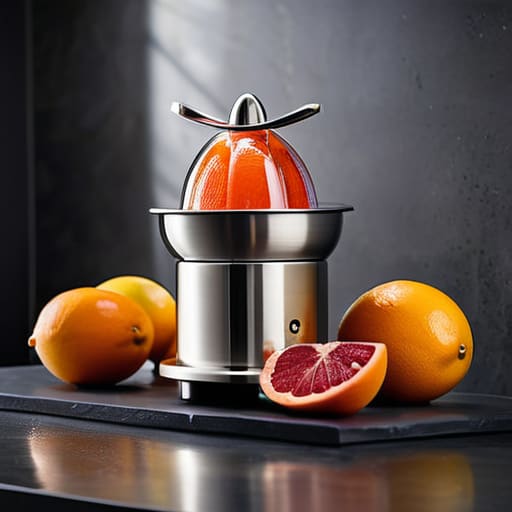
At the end of the day, choosing a citrus juicer shouldn’t feel like a high-stakes gamble, but it is worth the effort to do it right. We’ve looked at why those cheap, colorful plastic gadgets are a waste of your hard-earned money and why the debate between manual and electric really comes down to your specific daily workflow. If you want something that can handle a heavy lemon or a massive grapefruit without snapping a plastic gear, stick to heavy-duty materials like stainless steel or cast aluminum. Don’t let the marketing fool you into thinking you need a machine with twenty different attachments; you just need something that does one job exceptionally well and won’t end up in a landfill by next Christmas.
My advice is simple: stop chasing the latest kitchen trend and start building a toolkit that serves your actual life. A good juicer is about more than just getting liquid into a glass; it’s about the rhythm of your morning and the quality of what you put into your body. When you invest in tools that are built to last, you aren’t just buying equipment—you are investing in your own habits. Buy once, use it every day, and let the tool disappear into the background of your cooking. That is how you create a kitchen that actually works for you.
Frequently Asked Questions
How much extra juice can I actually get from a heavy-duty manual juicer compared to one of those cheap electric ones?
It’s not just about the volume; it’s about the pressure. Those cheap electric juicers spin at high speeds, which often just aerates the juice or leaves the good stuff stuck in the pulp. With a heavy-duty manual press, you’re applying direct, concentrated force. I’ve found you can typically squeeze out an extra 15-20% of juice per fruit because you’re actually crushing the membranes rather than just spinning them. It’s more work, but you aren’t wasting money on half-empty fruit.
Is it worth the counter space to keep a dedicated juicer, or should I just stick to squeezing by hand?
Look, I’ve seen too many beautiful countertops cluttered with single-use machines that end up acting as expensive dust collectors. If you’re juicing one lemon a week for a garnish, stick to a hand press; it’s faster and easier to clean. But if you’re making a daily ritual out of it, buy a sturdy, manual lever juicer. It’s a middle ground that saves space and actually delivers the yield you need without the electrical headache.
Which specific types of citrus—like stubborn grapefruits or small limes—work best with a stainless steel press?
If you’re using a heavy-duty stainless steel press, you’ve got the leverage to tackle the tough stuff. I always recommend them for grapefruits and large oranges; those thick rinds need real pressure to get every drop. On the flip side, don’t bother using a large press for tiny limes—it’s a waste of effort. For those, you’re better off with a small handheld reamer. Stick to the big press for the heavy hitters.
