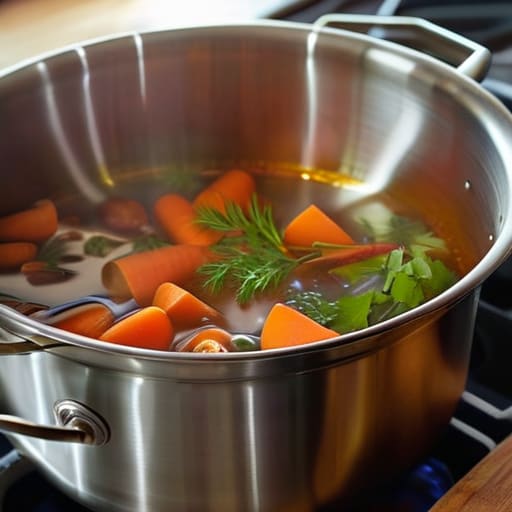
I remember standing in a commercial kitchen during a holiday rush, staring at a thin, cheap-looking stockpot that was warping under the heat of a massive batch of beef broth. It was a disaster; the bottom was uneven, the heat distribution was non-existent, and we were essentially wasting expensive ingredients because the vessel couldn’t handle the job. Most people think they need a dozen different specialized pots to be a “real” cook, but that’s just more clutter for your cabinets. In reality, a single, well-constructed stockpot is the backbone of a functional kitchen, yet most people end up buying flimsy, overpriced junk that won’t last through a single winter of soup-making.
I’m not here to sell you on some trendy, non-stick miracle or a gadget with ten different bells and whistles you’ll never touch. My goal is to help you cut through the marketing noise and find the heavy-duty essentials that actually earn their place on your stove. I’ll show you exactly what to look for in terms of weight, material, and lid fit so you can invest once and cook for a lifetime.
Prioritizing Stainless Steel Cookware Durability Over Trends
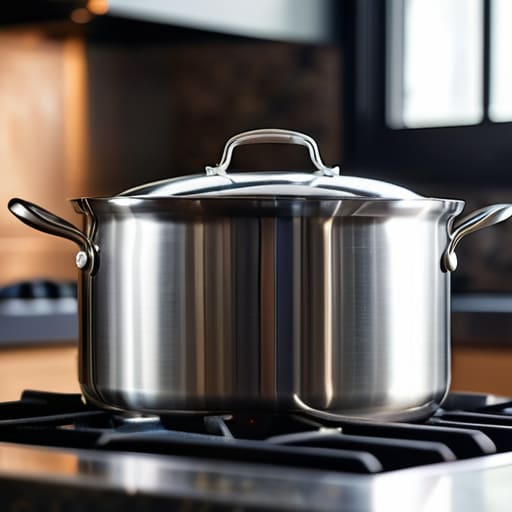
I see it every time I walk into a client’s kitchen: a graveyard of scratched non-stick coatings and warped aluminum pans that were “on sale” three years ago. People get caught up in the latest colorful ceramic trends, but if you want a tool that survives a decade of heavy-duty use, you need to look at stainless steel cookware durability. Unlike coated pans that flake off into your dinner, high-quality stainless steel can handle high heat and vigorous scrubbing without breaking a sweat. It’s a professional-grade choice that prioritizes longevity over aesthetics.
When you’re looking for that one reliable piece, don’t settle for something thin that creates hot spots. You want a heavy bottom pot for simmering to ensure your liquids heat evenly and stay at a steady temperature. This kind of consistent heat distribution is what separates a professional kitchen from a cluttered one. If you invest in a solid, multi-clad stainless vessel, you aren’t just buying another gadget; you’re buying a piece of equipment that will be just as functional when you’re decades older.
Why a Heavy Bottom Pot for Simmering Matters
If you’ve ever pulled a batch of chili or a vegetable broth off the stove only to find a layer of scorched, bitter bits stuck to the base, you know exactly why I’m so particular about this. Most people think a pot is just a container, but if it’s thin, it’s essentially a heat trap. You need a heavy bottom pot for simmering to act as a buffer. A thick, encapsulated base prevents those localized hot spots that turn a delicate sauce into a ruined mess.
When you’re working with a slow, steady heat, you aren’t looking for an aggressive boil; you’re looking for consistent, gentle warmth. This is where even heat distribution in cookware becomes the difference between a professional-grade result and a kitchen disaster. I always tell my clients to look for weight. If the pot feels light in your hands, it’s going to fail you when you’re trying to maintain a low temperature for a long-haul stew. Invest in something substantial that holds its temperature steadily, rather than something that reacts wildly to every tiny adjustment of the burner.
Five Rules for Picking a Pot That Won't Let You Down
- Check the rim before you buy. If the edge is thin or poorly finished, it’ll be a nightmare to pour liquids without dripping all over your stovetop. Look for a poured or rolled rim that feels substantial in your hand.
- Don’t ignore the handles. I’ve seen too many people buy a beautiful pot only to realize the handles are riveted on so poorly they become heat conductors. You want sturdy, stay-cool handles that feel secure when you’re lifting ten pounds of boiling broth.
- Size matters, but don’t overbuy. If you’re a family of four, a massive 20-quart pot is just a heavy, awkward space-taker in your cupboard. Pick a size that fits your actual cooking habits—usually an 8 to 12-quart range is the sweet spot for most home cooks.
- Test the weight. A good stockpot needs heft to prevent hot spots, but it shouldn’t be so heavy that you’re afraid to move it. If the pot feels like you’re lifting a piece of construction equipment, you’ll end up leaving it in the back of the cabinet.
- Look for compatible lids. A tight-fitting lid isn’t just a suggestion; it’s a necessity for heat retention and energy efficiency. If the lid wobbles or lets too much steam escape, you’re wasting time and fuel trying to get your liquid to a simmer.
My Rules for Choosing a Stockpot
Forget the flashy non-stick coatings that flake off in six months; stick to high-quality stainless steel that can handle decades of scrubbing and heavy use.
Always check the base—if the bottom feels thin or light, walk away, because a pot without a heavy-duty core will scorch your broth every single time.
Stop buying sets just to fill a cabinet; buy one single, professional-grade stockpot that actually fits your largest recipe and does the job right.
The Last Pot You'll Ever Need
At the end of the day, choosing a stockpot isn’t about finding the prettiest item on a boutique website or following the latest kitchen trend. It’s about recognizing that your tools are the foundation of your cooking. If you prioritize high-quality stainless steel and insist on a heavy, encapsulated base, you are solving problems before they even start. You won’t have to deal with scorched sauces, warped bottoms, or the frustration of a pot that feels like a toy in your hands. Skip the non-stick coatings that flake off after a year and the thin aluminum that burns everything on contact. Invest in a piece that has the heft and durability to handle everything from a delicate chicken stock to a massive batch of chili.
I’ve seen too many people clutter their cabinets with cheap, disposable cookware that ends up in a landfill within twenty-four months. My advice is simple: buy once, buy well, and then get to cooking. A great stockpot isn’t just a piece of equipment; it’s a silent partner in your kitchen that will serve you for decades. Once you have the right tools, the focus shifts from managing your gear to mastering your craft. Stop worrying about the gadgets and start building the habits that make a meal truly memorable. Your future self—and your kitchen—will thank you.
Frequently Asked Questions
How do I tell if a stockpot has a truly heavy, encapsulated base or if it's just a cheap thin layer of aluminum?
Here’s the trick: don’t just look at it, feel it. Pick the pot up. If it feels unnaturally light for its size, run. A real encapsulated base—where aluminum is sandwiched between layers of stainless steel—should give the pot a noticeable heft. Also, look at the bottom; a quality base will feel like a solid, integrated part of the pot, not a flimsy disc glued on that looks like it might peel off after a few washes.
Is it worth the extra money to get a stainless steel pot with handles that are riveted on rather than welded?
Yes, it’s absolutely worth it. In my years managing commercial kitchens, I’ve seen enough loose handles to know that rivets are the only way to go. Welded handles look sleek, sure, but they can fail under the weight of a heavy stew or a massive batch of stock. Rivets provide a mechanical connection that isn’t going anywhere. If you want a pot that survives decades of heavy use, pay the extra few dollars for rivets.
Can I actually use a heavy-duty stockpot on an induction cooktop, or do I need to check for a specific magnetic base?
You can absolutely use a heavy-duty stockpot on induction, but don’t just grab the first one you see. Induction works through magnetism, so your pot needs a magnetic base to heat up. The easiest way to check? Grab a simple fridge magnet. If it sticks firmly to the bottom of the pot, you’re good to go. If it won’t stick, that pot is just a heavy paperweight on an induction surface.
