
I remember standing in the middle of a commercial kitchen during a rush for a three-hundred-person wedding, staring in disbelief as a junior prep cook tried to serve a heavy beef consommé with a thin, stamped-metal soup ladle that was already starting to bend under the weight. It was a cheap, flimsy thing that looked more like a piece of bent silverware than a professional tool, and it was a disaster waiting to happen. That moment stayed with me because it perfectly illustrates how most people approach their kitchen gear: they buy for the look or the price tag, completely ignoring the actual physics of cooking.
I’m not here to sell you on some designer, silicone-coated gadget that’ll end up in a landfill by next Christmas. My goal is to cut through the marketing noise and help you find a soup ladle that actually has some heft and integrity. I’m going to show you exactly what to look for in terms of weight, handle balance, and material durability so you can stop replacing the same cheap tools every year. We’re going to focus on buying it once and buying it right.
Table of Contents
- A Kitchenware Material Guide for Lifetime Durability
- Navigating Essential Stainless Steel Ladle Types
- Five Rules for Choosing a Ladle That Won't End Up in a Junk Drawer
- The Bottom Line on Choosing Your Next Ladle
- The True Test of a Ladle
- Making the Right Choice for Your Kitchen
- Frequently Asked Questions
A Kitchenware Material Guide for Lifetime Durability
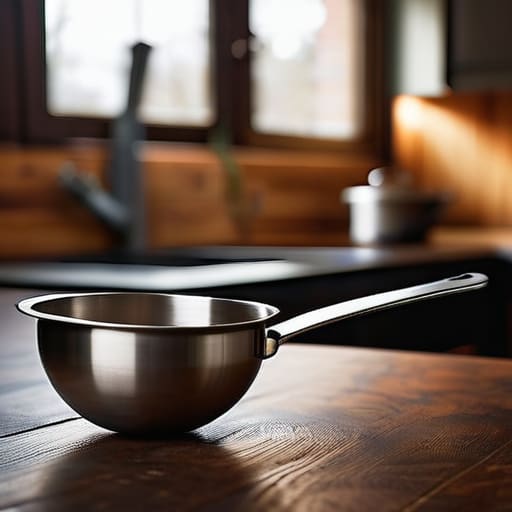
When you’re looking at a shelf full of options, don’t let the shiny packaging fool you. Most of what you see in big-box stores is designed to end up in a landfill within two years. If you want to build a kitchen that actually functions, you need to understand this basic kitchenware material guide before you open your wallet. I always tell my clients to look for solid construction over aesthetic fluff.
For most daily tasks, you can’t beat high-quality stainless steel. It’s non-reactive, meaning it won’t leach a metallic tang into your broth, and it can handle the heat of a commercial-grade burner without warping. If you’re dealing with heavy stews or thick chowders, you’ll want to look into different stainless steel ladle types—specifically those with a weighted head. A flimsy, thin-gauge metal tool is a nightmare when you’re trying to scoop from the bottom of a deep stockpot.
I also tend to steer people away from anything with cheap, glued-on plastic handles. Those are a safety hazard waiting to happen. Instead, look for a seamless transition from handle to bowl or a heavy-duty silicone grip. An ergonomic ladle design isn’t just a luxury; it’s what prevents your wrist from cramping when you’re prepping a massive batch of soup for the week. Buy the heavy stuff once, and you’ll never have to shop for this again.
Navigating Essential Stainless Steel Ladle Types
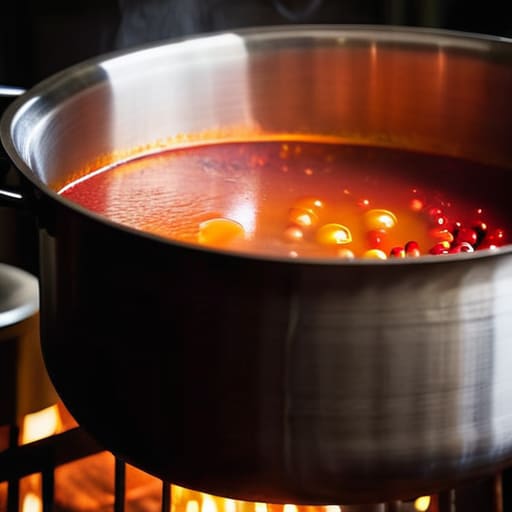
When you’re looking at different stainless steel ladle types, don’t get distracted by the fancy engravings or the ones that look like they belong in a museum. In a working kitchen, function beats form every single time. If you’re frequently prepping big batches of chili or stock, you need to look for the best ladle for large pots—specifically one with a deep, wide bowl. A shallow bowl is a recipe for spills and frustration, especially when you’re trying to move liquid from a heavy stockpot to a serving tureen.
You also need to pay attention to the handle. I’ve seen far too many people buy a beautiful piece of steel only to realize it’s a nightmare to hold. Look for an ergonomic ladle design that feels balanced in your hand; if the weight is all in the bowl, your wrist is going to ache after a few minutes of heavy lifting. A solid, weighted handle gives you the leverage you need without the constant fear of the tool slipping. It’s about finding that sweet spot between a tool that feels substantial and one that actually moves with you.
Five Rules for Choosing a Ladle That Won't End Up in a Junk Drawer
- Check the weight and balance before you buy. If a ladle feels top-heavy or flimsy in your hand, it’s going to be a pain to use when you’re trying to serve a heavy batch of beef stew. You want something that feels like an extension of your arm, not a piece of cheap cutlery.
- Look for a deep bowl, not a shallow one. I’ve seen too many people buy “designer” ladles that are basically just oversized spoons. If you can’t get a decent volume in a single scoop, you’re just going to be standing at the stove longer than you need to.
- Prioritize a seamless construction. Avoid anything where the handle is just glued or poorly riveted to the bowl. Those little crevices are magnets for bacteria and food particles, and eventually, the handle will wiggle loose. A solid, single-piece design is much easier to keep clean.
- Pay attention to the handle length. I’ve made the mistake of buying a “compact” ladle for a small kitchen, only to realize it’s too short to reach the bottom of a deep stockpot without my knuckles getting scalded. Make sure it’s long enough to keep your hands well away from the steam.
- Skip the silicone-coated nonsense. While they might be “non-scratch,” they tend to peel and flake after a few months of heavy use. Stick to high-quality stainless steel; it’s easier to sanitize, it won’t degrade in a dishwasher, and it’ll still be in your drawer twenty years from now.
The Bottom Line on Choosing Your Next Ladle
Forget the cheap plastic or thin aluminum; if you want a tool that survives a decade of heavy stews and thick chowders, stick to high-quality stainless steel.
Match the ladle to the task—use a deep, rounded bowl for liquids and a flatter design if you’re frequently serving thicker, chunkier soups.
Look for a solid, ergonomic handle that feels balanced in your hand; if it feels flimsy or awkward in the store, it’s going to be a nuisance in your kitchen every single day.
The True Test of a Ladle
I’ve seen too many people treat a ladle like an afterthought, picking up some lightweight, hollow thing just because it was cheap. But if you’re scooping a heavy beef stew or a thick lentil soup, you need a tool that has some actual weight to it—something that won’t bend or snap when the work gets heavy.
Rosalind Hayter
Making the Right Choice for Your Kitchen
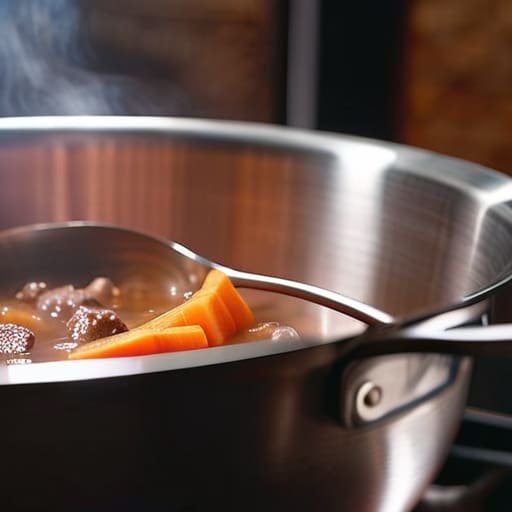
At the end of the day, choosing a soup ladle isn’t about finding the prettiest item on a retail shelf; it’s about matching the tool to your actual cooking habits. We’ve covered why you should steer clear of flimsy plastics and instead invest in heavy-duty stainless steel or high-quality silicone that can handle the heat of a commercial-grade stockpot. Whether you need a deep-well ladle for a thick beef stew or a more shallow design for delicate broths, remember that weight and balance matter. If a tool feels awkward or cheap in your hand during the first five minutes of testing, it’s going to be a nuisance for the next five years. Buy for durability, not for a trend.
I’ve spent decades in professional kitchens seeing exactly how much damage a poorly made tool can do to a person’s workflow and their patience. My advice is simple: stop treating your kitchen like a showroom and start treating it like a workshop. When you invest in a single, solid ladle that feels right, you aren’t just buying a piece of metal; you are investing in your own efficiency. A well-organized, functional kitchen is built one reliable tool at a time. Pick something that will still be sitting in your utensil crock long after the latest kitchen gadget craze has faded into obscurity.
Frequently Asked Questions
How do I know if the handle is actually sturdy enough to handle a heavy pot of stew without bending?
Look, don’t just trust the shiny finish. Grab the ladle and give the handle a firm, intentional bend—not enough to snap it, but enough to feel for any give. If it feels springy or “bouncy,” put it back on the shelf. You want a handle that feels like an extension of your arm, not a piece of wire. Ideally, look for a solid, seamless connection where the handle meets the bowl; any visible welds or joints are potential failure points.
Is it worth spending more on a professional-grade ladle, or will a standard one from a big-box store do the job?
Look, I’ve seen enough big-box ladles snap at the seam right when you’re serving a heavy batch of chili to know the difference. If you’re just scooping tea, a cheap one is fine. But for daily cooking? Spend the extra money on a professional-grade piece. A heavy-duty, single-piece construction won’t wobble or break, and it’ll actually feel balanced in your hand. It’s not about the brand; it’s about buying it once.
Will a stainless steel ladle scratch my non-stick pots, or should I stick to silicone?
If you’re using non-stick pans, yes, a stainless steel ladle will absolutely ruin that coating. One wrong move and you’ve got scratches that trap food and kill the pan’s performance. If your primary cookware is non-stick, stick to high-heat silicone. However, if you’re serious about buying gear that lasts a lifetime, I’d suggest investing in stainless steel or cast iron pots. They’re indestructible, and you won’t have to baby your tools.
