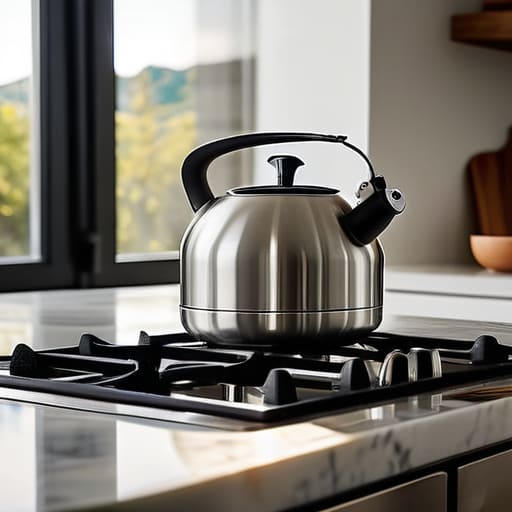
I spent twenty years in commercial kitchens where everything had to be indestructible, so nothing irritates me more than seeing people spend fifty dollars on a “smart” tea kettle that’s essentially just a glorified plastic gadget. I’ve seen these flimsy, electronic contraptions end up in landfills within a year because a single circuit board fried or a cheap seal perished. You don’t need an app on your phone to tell you when your water is boiling; you need a solid piece of equipment that does one job perfectly without needing a software update.
In this guide, I’m cutting through the marketing fluff to help you find a tea kettle that actually belongs in a functional kitchen. I’m not here to sell you on the latest aesthetic trend or some overpriced designer brand that prioritizes looks over heat retention. Instead, I’ll share what I’ve learned from years of professional catering and home organizing about investing in quality materials like stainless steel or heavy-duty enamel. We are going to focus on durability, ease of cleaning, and simple mechanics—the kind of gear that you buy once and then forget about for a decade because it simply works.
Table of Contents
Electric vs Stovetop Kettle Choosing Longevity Over Convenience
Electric vs Stovetop Kettle: Choosing Longevity Over Convenience
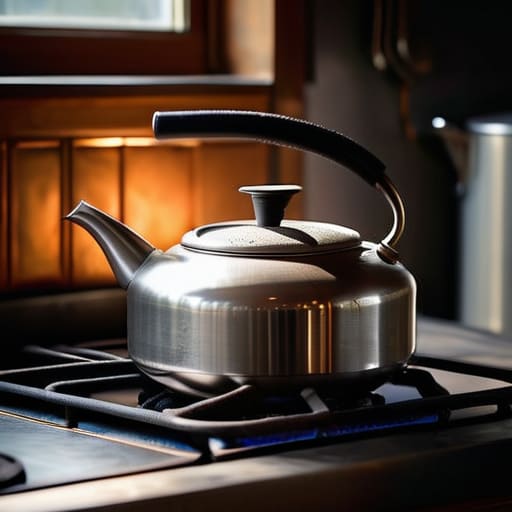
I see people making the same mistake every time I walk into a client’s kitchen: they buy a flashy, plastic electric model because it’s fast. Sure, it’s convenient for a quick cup of tea, but those things are essentially disposable. Most electric kettles are filled with cheap components that will fail the moment the heating element shorts out. If you want to stop the cycle of constant replacements, you need to consider the electric vs stovetop kettle debate through the lens of durability.
A high-quality stainless steel tea kettle sitting on your burner is a tool that can last decades. There are no circuit boards to fry and no plastic housing to degrade. While you lose the “set it and forget it” luxury, you gain a piece of equipment that becomes part of the kitchen’s soul. Plus, if you’re serious about your morning ritual, a stovetop version gives you more control over your tea brewing temperature by letting you watch the water reach a gentle simmer rather than a violent, rolling boil. Buy once, buy well.
Why a Stainless Steel Tea Kettle Outlasts the Trends
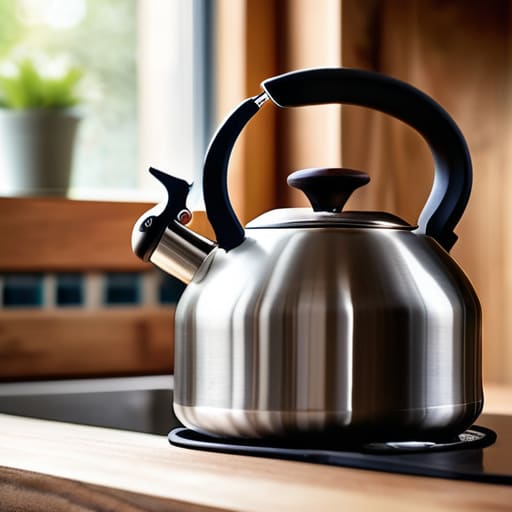
I’ve seen it all in commercial kitchens: mountains of colorful, plastic-clad gadgets that look great on a social media feed but end up in a landfill within eighteen months. Most of those trendy electric models rely on thin heating elements and cheap plastic housings that degrade the moment they get a bit of scale buildup. If you want to stop the cycle of constant replacement, you need to invest in a high-quality stainless steel tea kettle. Unlike the plastic alternatives, steel doesn’t leach chemicals into your water, and it handles the heat without warping or cracking.
When you choose a solid metal build, you’re buying a tool, not a temporary fix. While some people get caught up in the high-maintenance ritual of copper kettle maintenance, stainless steel gives you that same professional durability without the constant polishing headache. It’s about finding that sweet spot between performance and practicality. A well-made steel vessel won’t just sit there looking pretty; it will reliably hit your required tea brewing temperature for years to come, regardless of how many times you use it.
Five Rules for Buying a Kettle That Actually Works
- Check the weight before you buy. If a kettle feels like it’s made of thin tin foil, it’s going to warp the first time it hits high heat. You want something with a bit of heft; it tells you the metal is thick enough to handle daily use without losing its shape.
- Prioritize a wide opening. I’ve seen too many people struggle with narrow-necked kettles that are impossible to clean. If you can’t get a sponge or a brush inside to scrub out the mineral buildup, you’re going to end up with a funky-tasting kettle that ends up in the trash.
- Look for a solid, ergonomic handle. This isn’t the time to worry about how “sleek” or “modern” the handle looks. If it’s too thin or made of cheap plastic, it’s going to pinch your hand or melt when you’re pouring boiling water. It needs to feel secure and comfortable in your grip.
- Skip the whistling gimmicks. A whistle is fine if you really need the alert, but don’t pay a premium for a fancy, high-tech whistling mechanism. Those little parts are often the first things to clog with limescale or break, rendering the whole kettle useless.
- Stick to single-material construction. The best kettles are straightforward—usually solid stainless steel. Avoid anything with unnecessary plastic components or decorative coatings that can peel or flake off over time. You want a tool, not a piece of decor.
My Rules for Buying a Kettle
Prioritize material over aesthetics; stick to stainless steel or heavy-duty enamel to avoid the inevitable breakdown of cheap plastic components.
Choose a stovetop model if you want a tool that will literally last a lifetime, rather than an electric one that becomes e-waste the moment a circuit board fails.
Don’t get distracted by “smart” features or unnecessary bells and whistles—if it doesn’t boil water efficiently and reliably, it doesn’t belong on your stove.
The Cost of Convenience
“I’ve seen enough cheap plastic kettles end up in landfills to know that ‘convenience’ is often just a polite word for ‘disposable.’ If you want a tool that actually earns its place on your stove, stop looking for the one with the most buttons and start looking for the one with the most weight.”
Rosalind Hayter
The Last Kettle You’ll Ever Need
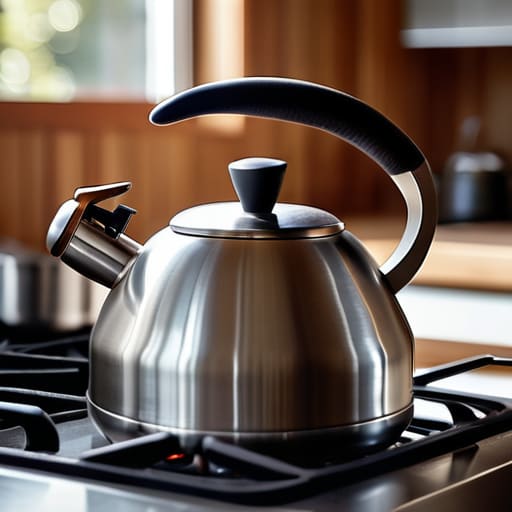
At the end of the day, choosing a tea kettle isn’t about finding the prettiest object to sit on your counter for a photo op; it’s about finding a tool that performs every single time you need it. We’ve covered why you should lean toward a sturdy stovetop model over a flimsy electric one, and why stainless steel is the only material worth your hard-earned money. Skip the plastic components that degrade over time and the “smart” features that will be obsolete in two years. If you invest in quality materials and simple mechanics, you aren’t just buying a kitchen gadget—you are investing in a piece of equipment that will serve you for decades.
I know it can be tempting to follow the latest kitchen trends, but my years in professional catering taught me that the most successful kitchens are built on reliability, not novelty. A good kettle is a quiet, dependable companion in your morning ritual. When you stop chasing the next big thing and start focusing on durability and function, your kitchen becomes a much more peaceful place to work. Buy it once, use it well, and let it become a part of your home’s history. Build a kitchen that lasts.
Frequently Asked Questions
How do I know if the stainless steel is high enough quality to avoid that metallic taste in my water?
Look for the “18/10” stamp on the bottom of the kettle. That’s your shorthand for high-quality stainless steel—18% chromium for rust resistance and 10% nickel for that polished, food-safe finish. If it doesn’t have a marking or feels suspiciously lightweight, skip it. Cheap alloys leach a metallic tang into your water, and once that flavor is in your tea, there’s no undoing it. Buy the heavy-duty stuff; your palate will thank you.
Is it worth the extra effort to clean and descale a stovetop kettle regularly, or is it a lost cause?
It’s absolutely worth it. If you let scale build up, you aren’t just dealing with a crusty bottom; you’re slowing down your boil time and risking that metallic taste in your tea. Don’t go scrubbing with harsh chemicals, either. A quick soak with some white vinegar or citric acid once a month keeps the metal pristine. Treat your kettle like your cast iron—a little maintenance now prevents a total headache later.
Should I be looking for a specific spout shape to prevent splashing when I'm pouring?
Yes, you absolutely should. In a professional kitchen, we call that “control.” If you’re looking at a kettle, look for a tapered, narrow spout rather than one that’s wide and blunt. A wide spout is fine for boiling water quickly, but it’s a nightmare for precision. If you want to avoid scalding your countertop or splashing hot water everywhere, find a model with a defined, slim spout that directs the flow exactly where you want it.
