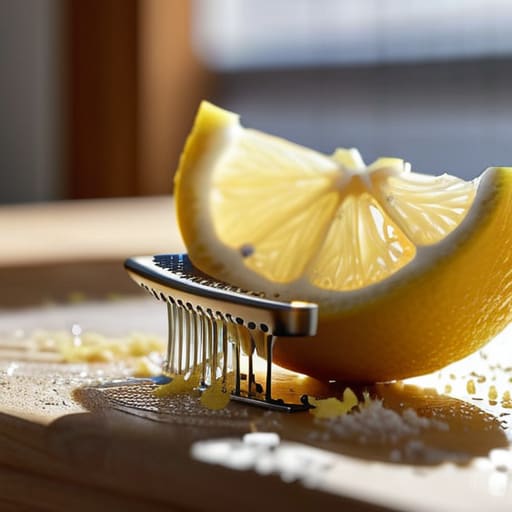
I remember standing in a commercial kitchen during a Friday night rush, surrounded by the frantic energy of twenty different prep stations, and watching a junior cook struggle with a cheap, boxy grater. He was hacking away at a lemon, bruising the zest and leaving behind a pile of bitter white pith that would have ruined the entire sauce. It was one of those moments where I realized that most people think a microplane is just another expensive gadget for people with too much counter space. They’re wrong. It isn’t a luxury; it is a fundamental tool that separates someone who is actually cooking from someone who is just following a recipe.
I’m not here to sell you on some flashy, multi-purpose kitchen gadget that will end up in a junk drawer by next Christmas. My goal is to cut through the marketing noise and tell you exactly why a single, high-quality microplane is the only zester you will ever need to own. I’ll show you how to spot the difference between professional-grade steel and the flimsy stuff, and more importantly, I’ll teach you how to use it without losing a fingertip in the process.
Table of Contents
- Mastering Citrus Zest Techniques Without the Struggle
- The Secret to Perfect Hard Cheese Grating Every Time
- Five Ways to Actually Use Your Microplane Like a Pro
- The Bottom Line on Your Microplane
- The Truth About Kitchen Gadgets
- The Bottom Line on Your Next Kitchen Essential
- Frequently Asked Questions
Mastering Citrus Zest Techniques Without the Struggle

Once you have the right tool in your hand, the real work begins. Most people approach zesting with too much pressure, which is a mistake. You aren’t trying to dig into the white pith—that stuff is bitter and will ruin your entire dish. Instead, use light, sweeping motions. Think of it as polishing the fruit rather than scrubbing it. If you master this, you’ll find that your citrus zest techniques become second nature, turning a tedious chore into a quick, effortless part of your prep.
Don’t stop at lemons and limes, either. I’ve found that this specific type of fine rasp grater is a total workhorse for much more than just fruit. When I’m prepping for a larger meal, I use it as my primary ginger grating tool because it captures every bit of flavor without leaving behind those woody, unappealing fibers. You can even transition straight into hard cheese grating for a fresh dusting of Parmesan over pasta. It’s all about using the right edge for the right texture; once you get the rhythm down, you’ll wonder how you ever managed with those clunky, old-fashioned box graters.
The Secret to Perfect Hard Cheese Grating Every Time
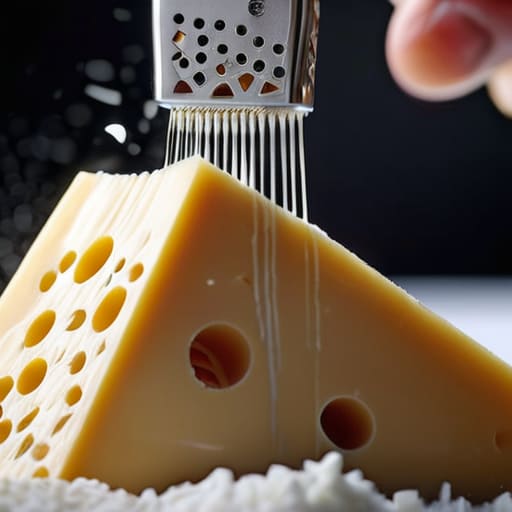
If you’ve ever tried to shred a block of aged Parmigiano-Reggiano with a standard box grater, you know the frustration. You end up with uneven, chunky shreds that clog the holes, or worse, you find yourself hacking away like you’re woodworking. That’s where the magic of a fine rasp grater comes in. Unlike those clunky metal boxes, a slim, handheld tool allows you to control the pressure and the direction of your stroke. This is the difference between getting a pile of useless crumbs and achieving those delicate, snowy wisps that melt instantly into your pasta.
When it comes to professional-grade hard cheese grating, temperature is your best friend. I always tell my clients to pull the cheese out of the fridge a few minutes before they start. If the cheese is too cold and hard, you’ll struggle; if it’s too soft, it’ll just mush against the blades. Use long, steady strokes rather than short, frantic ones. Once you master this rhythm, you’ll realize that these professional chef graters aren’t just luxury items—they are essential tools that make your prep work feel less like a chore and more like a craft.
Five Ways to Actually Use Your Microplane Like a Pro
- Stop trying to grate everything with a box grater; use the Microplane for fine tasks like ginger, garlic, or nutmeg to avoid the mushy mess you get with a knife.
- Always grate against the grain of the tool, moving the food from the handle toward the teeth, rather than trying to “saw” it back and forth.
- Keep a small bowl of ice water nearby if you’re working with heavy aromatics like garlic; it helps keep the fine bits from sticking to the blades and turning into a paste.
- Don’t let it sit in the sink—those tiny holes are a nightmare to clean once food dries in them, so rinse it under hot water immediately after use.
- Use it for more than just food; I’ve found a Microplane is the fastest way to shave a bit of chocolate over a dessert or even to lightly zest a piece of soap if you’re in a pinch for a DIY project.
The Bottom Line on Your Microplane
Stop buying cheap, flimsy graters that bend under pressure; invest in a high-quality Microplane that will actually hold an edge for years.
Use the tool for more than just citrus—it’s your best friend for everything from grating fresh ginger to turning hard parmesan into a light, airy dust.
Prioritize efficiency over gadgetry; a sharp, professional-grade zester saves you time and prevents the frustration of tearing your ingredients instead of shaving them.
The Truth About Kitchen Gadgets
Most people think they need a drawer full of specialized graters, but they really just need one high-quality Microplane that actually works. Stop buying plastic junk that dulls after three uses; buy the tool that does the job right the first time and let it stay in your kitchen for the next twenty years.
Rosalind Hayter
The Bottom Line on Your Next Kitchen Essential
At the end of the day, a Microplane isn’t just another piece of metal cluttering up your utensil drawer; it’s a tool that actually respects your time and your ingredients. Whether you’re finally tackling that block of aged Parmigiano-Reggiano or trying to get every last drop of aromatic zest out of a lemon, having the right blade makes a world of difference. I’ve seen too many people struggle with cheap, box-set graters that tear at the food instead of shaving it, and frankly, it’s a waste of good ingredients. Invest in a high-quality version once, keep it clean, and you’ll find that it becomes one of those few reliable workhorses in your kitchen that you reach for every single day.
My philosophy has always been simple: stop chasing every passing kitchen gadget and start focusing on the tools that actually improve your craft. A good Microplane is a perfect example of that. It’s inexpensive, it’s durable, and it works. When you stop fighting with subpar equipment, you can finally focus on what actually matters—the flavor, the technique, and the joy of the meal itself. Don’t let a dull tool stand in the way of a great recipe. Buy it once, use it well, and let your cooking do the rest of the talking.
Frequently Asked Questions
How do I actually clean all that tiny cheese stuck in the blades without cutting my fingers?
Don’t go at it with a sponge; you’ll end up with a sliced-up thumb and a mess. The trick is to use a stiff-bristled dish brush or even an old toothbrush. Hold the Microplane under running water—not directly against the blades, but at an angle—and scrub in the direction of the teeth. It’s much safer and gets into those tiny grooves where cheese likes to hide. Let it air dry completely before storing.
Is it worth spending the extra money on the brand name, or can I just get a cheap knockoff?
Look, I’ve seen enough cheap, flimsy graters end up in the landfill to know the answer. Save your money on the fancy gadgets, but don’t cheap out on the Microplane itself. A knockoff might look similar, but the blade geometry is everything. Cheap ones dull instantly or, worse, catch your knuckles because the metal is uneven. Buy the real thing once. It’s a small upfront cost to avoid a drawer full of useless junk.
Can I use a Microplane for things like ginger or garlic, or will it just make a mess?
You absolutely can, and honestly, it’s a game-changer. I used to use a standard box grater for ginger, but it was a nightmare to clean and a waste of good root. A Microplane glides right through ginger and garlic, turning them into a fine paste that integrates perfectly into dressings or sauces. Just a tip: don’t try to grate a single tiny clove. Slice it into thin coins first to avoid a messy struggle.
