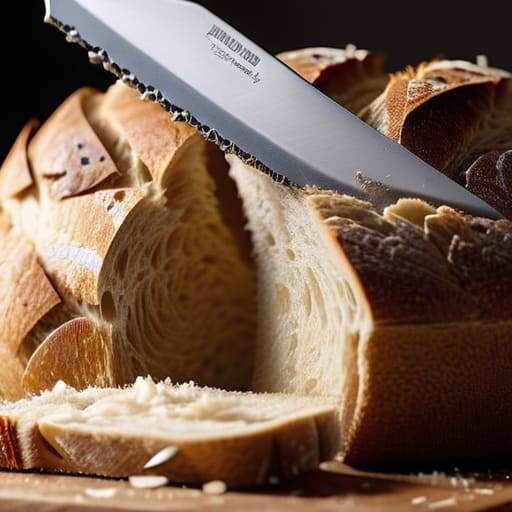
I still remember a frantic Saturday night during my catering days, trying to slice through a crusty sourdough boule for a hundred guests while my sous chef struggled with a standard chef’s knife. Every time he pressed down, the loaf didn’t slice; it just shattered into a mess of crumbs and crushed dough. It was a total waste of good bread and precious time. That’s when I realized that a standard blade is useless against a hard crust, and if you aren’t using a dedicated serrated knife, you are essentially fighting your food instead of preparing it.
I’m not here to sell you on some $300 Japanese designer blade that requires a degree in metallurgy just to use. My goal is to help you cut through the marketing fluff and find a tool that actually does its job for the next twenty years. I’m going to show you exactly what to look for in a blade—from teeth depth to handle grip—so you can stop wasting money on flimsy kitchen junk and start building a kit that actually works for you.
Table of Contents
Serrated vs Straight Edge Blade Choosing Tools That Last
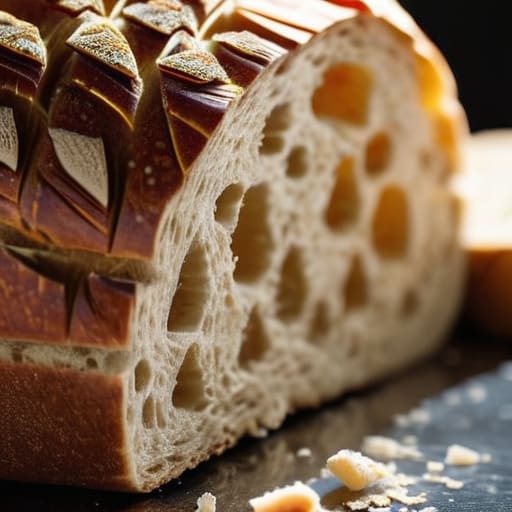
In my years managing commercial kitchens, I saw far too many cooks try to force a straight blade through a sourdough loaf, only to end up squashing the airy crumb into a dense mess. When you’re weighing the pros and cons of a serrated vs straight edge blade, you have to think about the physics of what you’re cutting. A straight edge is your workhorse for precision—slicing through proteins or dicing onions with clean, surgical movements. But if you try to use that same chef’s knife on a hard crust, you’re just fighting the food.
A serrated blade works differently; those teeth act like tiny saws that bite into tough surfaces without requiring downward pressure. This makes it the best knife for crusty bread and even certain fruits with thick, stubborn skins. However, don’t make the mistake of thinking a serrated tool is a universal fix. You can’t use it for fine mincing or delicate slicing without tearing the product apart. My advice? Don’t look for one “magic” knife in your professional kitchen knife sets. Instead, respect the knife edge geometry of each tool and use the right one for the specific job at hand.
The Best Knife for Crusty Bread and Beyond
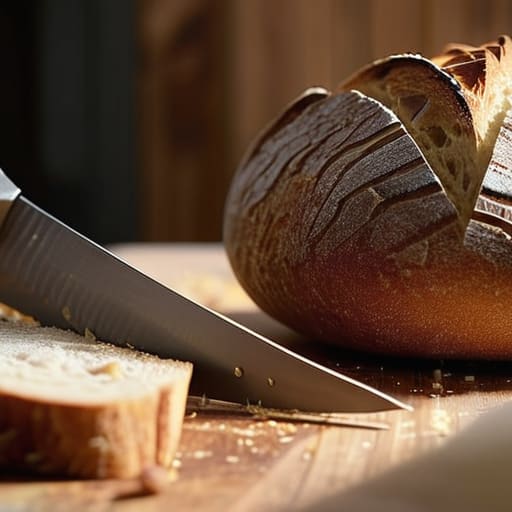
When people ask me what the absolute first thing they should buy for a functional kitchen is, I don’t point them toward a fancy chef’s knife. I point them toward a high-quality serrated blade. If you’ve ever tried to slice through a sourdough boule with a smooth blade, you know the frustration—you end up squashing the airy interior just to get through that hard, protective crust. The best knife for crusty bread works by using those teeth to saw through the tension of the crust without applying downward pressure that ruins the crumb.
But don’t make the mistake of thinking this tool is only for your weekend baking projects. In my years managing commercial kitchens, I learned that a good serrated blade is a workhorse for more than just loaves. It is remarkably efficient for cutting soft skin vegetables like ripe tomatoes or juicy peaches, where a straight edge tends to slip and bruise the fruit. Instead of smashing the delicate flesh, the teeth bite in and create a clean path. It’s about using the right tool for the specific job, rather than trying to force one blade to do everything.
Five Rules for Using Your Serrated Blade Without Making a Mess
- Stop sawing like you’re cutting wood; use a gentle, rhythmic motion and let the teeth do the heavy lifting so you don’t crush the delicate interior of your loaf.
- Check your blade’s teeth regularly—if they look rounded or smooth rather than sharp and distinct, it’s time to invest in a new one rather than trying to sharpen it yourself.
- Don’t use your serrated knife for delicate tasks like slicing ripe tomatoes unless you absolutely have to; a sharp straight edge is much kinder to soft skins.
- Keep a dedicated cutting board for your bread to protect those serrated teeth; uneven surfaces or hard stone boards will dull your blade much faster than wood.
- Always wipe the blade clean immediately after use, especially if you’ve been cutting anything acidic like citrus, to prevent those tiny grooves from harboring bacteria or pitting.
The Bottom Line on Serrated Blades
Stop buying cheap, flimsy serrated knives that bend under pressure; look for a heavy, well-balanced blade that holds its edge through thick crusts.
Don’t let the “all-purpose” marketing fool you—a serrated knife is a specialist tool meant for bread, tomatoes, and citrus, not your daily vegetable prep.
Invest in quality over quantity by choosing a single, high-grade serrated knife that will last decades rather than a dozen plastic-handled sets that end up in a landfill.
The Truth About Your Knife Drawer
“I’ve seen too many people try to force a smooth chef’s knife through a sourdough crust, only to end up with a smashed loaf and a bruised ego. A good serrated blade isn’t a specialty tool; it’s the workhorse that respects the texture of your food instead of fighting it.”
Rosalind Hayter
Don't Overthink the Drawer
At the end of the day, you don’t need a twenty-piece knife block cluttering up your counter space to be a competent cook. If you’ve understood the difference between a straight edge and a serrated blade, you already know that a single, high-quality serrated knife can handle everything from a sourdough boule to a ripe tomato without breaking a sweat. Stop hunting for every niche gadget promised by late-night infomercials; instead, focus on finding a blade with proper weight and a sharp, aggressive tooth that won’t let you down when the pressure is on. Invest in the steel, keep it clean, and stop wasting money on the cheap, serrated junk that loses its edge after three loaves of bread.
A functional kitchen isn’t about having the most expensive tools; it’s about having the right tools that actually serve your daily rhythm. When you stop fighting your ingredients and start working with them, cooking becomes less of a chore and more of a steady, reliable habit. Grab that quality knife, pull up a stool, and get to work. Your kitchen should be a place of efficiency and ease, not a graveyard for unused plastic. Build your kit one solid, lifetime investment at a time, and I promise you’ll never regret it.
Frequently Asked Questions
How do I actually sharpen a serrated blade without ruining the teeth?
Don’t even think about running a serrated blade through a standard pull-through sharpener; you’ll just chew up the teeth. To do this right, you need a ceramic honing rod. You’ll work the rod into the gullets—the little valleys between the teeth—using a gentle, circular motion. It’s tedious work, and I’ll be honest, it’s not as fast as a straight edge, but it’s the only way to maintain that precision without ruining the knife.
Is it worth buying a specialized bread knife, or can I just use one serrated knife for everything from tomatoes to citrus?
Look, I’ve seen enough cluttered junk drawers to know you don’t need a dozen specialized blades. If you’re on a budget, one high-quality, medium-sized serrated knife will handle your tomatoes, citrus, and sourdough just fine. However, if you’re baking heavy, crusty artisan loaves daily, a dedicated long-blade bread knife is worth the investment. It prevents crushing the airy interior. Buy for your actual habits, not for a hypothetical collection.
What should I look for in a handle to make sure it doesn't slip when I'm working through a tough crust?
When you’re sawing through a sourdough crust, the last thing you need is your hand sliding toward the blade. Forget those thin, overly polished handles that feel like soap when your hands get a bit damp. Look for something with a substantial “heft” and a contoured shape that fits your palm. A matte finish or a subtle textured grip is key—it provides the friction you need without feeling tacky or cheap.
