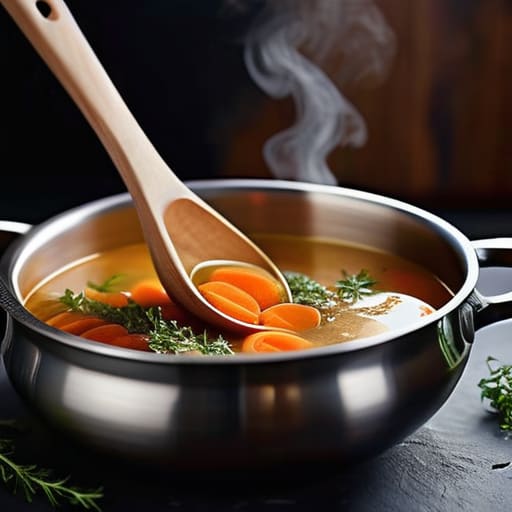
I spent twenty years in commercial kitchens where every second counted, and if there’s one thing that drives me up the wall, it’s seeing people buy a dozen different specialty spoons when they really only need two or three. I once watched a trainee struggle through a massive batch of butternut squash soup because she was trying to use a dainty, decorative serving spoon that was practically useless for a stockpot. People get so caught up in the aesthetics of kitchenware that they completely overlook the practical reality of ladle sizes and how they actually impact your workflow. You don’t need a drawer full of flimsy, mismatched plastic; you need tools that are sized to the job so you aren’t splashing soup all over your stove.
I’m not here to sell you on some fancy, gold-plated gadget or a collection of “essential” sets that will just end up cluttering your cabinets. My goal is to give you the straight talk on which measurements actually matter for your home cooking. I’ll show you how to pick the right heavy-duty options that will last a lifetime, so you can stop wasting money and start cooking with intention.
Table of Contents
- Stop Guessing Understanding Standard Soup Ladle Measurements
- A Kitchen Utensil Sizing Guide for Lifetime Tools
- My Rules for Picking the Right Ladle (and Not Wasting Your Money)
- The Bottom Line on Ladle Sizing
- ## The Golden Rule of Sizing
- Final Thoughts on Choosing Your Ladle
- Frequently Asked Questions
Stop Guessing Understanding Standard Soup Ladle Measurements
When I was running commercial kitchens, we didn’t have the luxury of “eyeballing” a portion. If a recipe called for a specific amount of sauce, we used tools that guaranteed consistency. Most people shopping at big-box stores have no idea what they’re actually looking at because those little labels are often missing or confusing. To avoid the headache, you need to understand standard soup ladle measurements based on fluid ounces rather than just looking at the physical length of the handle.
Typically, you’ll find a range from 2 to 8 ounces. A 2-ounce ladle is essentially a glorified serving spoon, perfect for a light gravy or a delicate sauce. If you’re moving into heavier stews or chowders, you’ll want to look at the ounce capacity of ladles in the 4 to 6-ounce range. Anything larger than that is usually reserved for high-volume catering where you’re trying to move a massive pot quickly. My rule of thumb? Don’t buy a single “do-it-all” giant spoon; pick a mid-sized, heavy-duty option that actually fits your standard soup bowls without making a mess.
A Kitchen Utensil Sizing Guide for Lifetime Tools
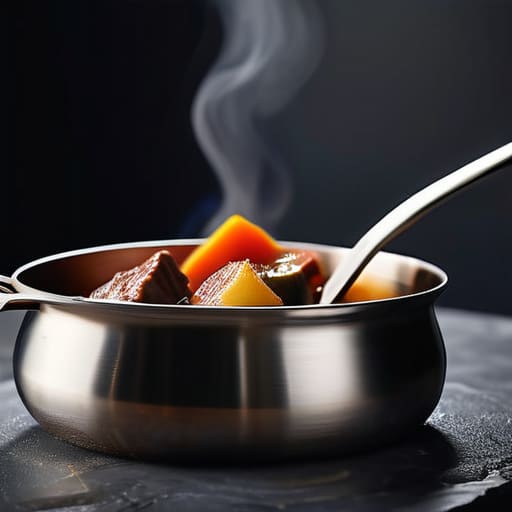
When I was managing commercial kitchens, I didn’t have the luxury of eyeballing portions; everything had to be precise to keep costs down and service moving. While you aren’t running a banquet hall, applying a bit of that logic to your own home will save you a lot of frustration. Think of this kitchen utensil sizing guide as a way to match the tool to the task. If you are serving a delicate consommé, a tiny 2-ounce ladle is your best friend. But if you’re dishing out a hearty beef stew for a family of four, you need something with more heft.
Don’t get bogged down in the math, but do pay attention to the ounce capacity of ladles when you’re shopping. A standard 4-ounce ladle is the workhorse for most home cooks, sitting right in that sweet spot for soups and sauces. If you find yourself constantly refilling a small spoon, you’ve bought the wrong tool. Invest in a few different sizes—specifically a small one for sauces and a larger one for bulk liquids—and you’ll stop fighting your equipment and start actually enjoying the process.
My Rules for Picking the Right Ladle (and Not Wasting Your Money)
- Stop buying sets. Most of those “kitchen starter kits” include three different sizes of the same cheap ladle that you’ll never use. I’d rather you own one high-quality, 4-ounce ladle for sauces and one heavy-duty 6-ounce ladle for soups than a drawer full of plastic junk.
- Check the depth before you buy. A ladle that is too shallow is just a glorified spoon; it’ll spill every time you try to move it from the pot to the bowl. I always look for a deep, rounded bowl that holds its weight without tipping.
- Match the tool to your biggest pot. If you’re a person who cooks massive batches of chili or stew, a tiny 2-ounce ladle is going to feel like a toothpick. You need something with enough capacity to actually move the food, or you’ll spend half your evening just transferring liquid.
- Test the handle length against your stove setup. I’ve seen people buy beautiful, professional-grade ladles only to realize the handle is too short to clear the rim of their stockpot. You don’t want your knuckles scraping against a hot burner every time you reach for a scoop.
- Prioritize weight and balance. A good ladle should feel like an extension of your hand, not a flimsy piece of tin. If the weight is all in the head and not the handle, your wrist is going to ache by the time you finish serving a crowd.
The Bottom Line on Ladle Sizing
Stop buying sets; just get one 4-ounce ladle for serving and one 6-ounce heavy-duty ladle for actual cooking.
Check the depth and width against your most-used pots before you buy, because a ladle that’s too wide is just a mess waiting to happen.
Prioritize weight and material over fancy designs—if it feels flimsy in your hand, it won’t survive a decade in a working kitchen.
## The Golden Rule of Sizing
“I’ve seen too many home cooks buy a set of matching, flimsy little ladles just because they look pretty in a drawer. Stop it. A ladle isn’t a decoration; it’s a tool. If it doesn’t reach the bottom of your stockpot or if it feels like it’s going to snap under the weight of a decent stew, it’s useless junk. Buy one heavy-duty, appropriately sized ladle that does the job right, and you’ll never have to hunt for another one again.”
Rosalind Hayter
Final Thoughts on Choosing Your Ladle
At the end of the day, picking a ladle isn’t about collecting a dozen different versions of the same tool; it’s about knowing exactly what you need for your daily rhythm. Whether you opt for a 4-ounce ladle for precise sauce work or a heavy-duty 6-ounce version for a big batch of homemade stew, make sure it feels substantial in your hand. Don’t get distracted by those sets of five mismatched plastic spoons that end up in the junk drawer after three months. Focus on the measurements we discussed, prioritize high-quality materials like stainless steel or heavy silicone, and buy the one tool that can handle your most frequent recipes without breaking.
I’ve spent enough time in commercial kitchens to know that the most efficient cooks aren’t the ones with the most gadgets, but the ones with the right tools. A well-chosen ladle is a quiet workhorse; it doesn’t demand attention, it just does its job perfectly every single time you reach for it. Stop overthinking the bells and whistles and start investing in longevity and function. When you build a kitchen based on utility rather than trends, you aren’t just organizing a room—you’re setting yourself up to actually enjoy the process of cooking. Now, go find that one perfect tool and get to work.
Frequently Asked Questions
Is it better to own one large multipurpose ladle or a set of different sizes for specific tasks?
Look, if you’re trying to save cabinet space, I get the temptation to buy one “do-it-all” ladle. But in a professional kitchen, versatility often leads to frustration. A massive ladle is overkill for a delicate sauce, and a small one will leave you fighting with a heavy pot of stew. My advice? Skip the useless ten-piece sets. Just get two: one sturdy 4-ounce ladle for sauces and one reliable 8-ounce for everything else.
How can I tell if a ladle is actually high-quality just by looking at its capacity and weight?
Don’t let a fancy handle fool you. If you pick up a ladle and it feels like a hollow toy, put it back. A quality ladle should have some heft; that weight tells you the metal is thick enough to withstand years of scraping the bottom of a heavy stockpot. Look for a seamless transition between the bowl and the handle, too. If it feels flimsy or unbalanced in your hand, it’s just more plastic-feeling junk destined for the bin.
Will a heavy-duty professional-sized ladle be too awkward for my everyday stovetop pots?
Honestly? Probably. If you’re used to a standard 4-ounce ladle, pulling a massive, heavy-duty commercial version out of a shallow saucepan is going to feel like trying to stir a cup of tea with a shovel. It’ll bang against the rim and feel clunky. My advice: keep a versatile, mid-sized ladle for your daily stovetop life, and save the heavy-duty professional gear for the big stockpots and Dutch ovens where it actually belongs.
