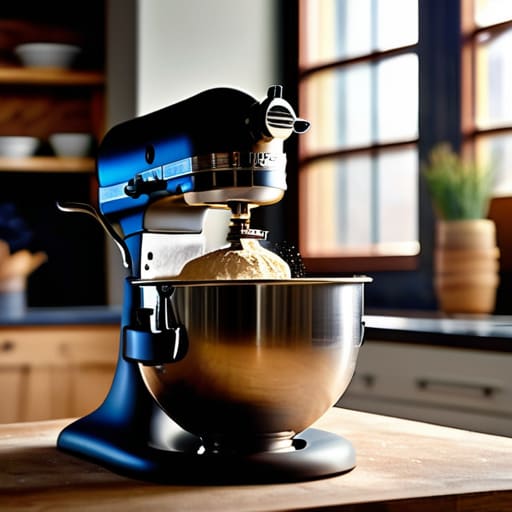
I spent two decades in commercial kitchens where every second and every cent counted, and if there is one thing I learned, it’s that a shiny new appliance doesn’t make a chef. I see people pouring hundreds of dollars into a high-tech stand mixer that’s packed with digital screens and Bluetooth connectivity, only to have the motor burn out the moment they try to knead a decent batch of sourdough. It drives me up the wall. You don’t need a computer on your countertop; you need mechanical reliability and enough torque to handle a heavy dough without sounding like a jet engine taking off in your kitchen.
I’m not here to sell you on the latest kitchen trend or help you justify an impulse buy. My goal is to help you identify the few machines actually worth the counter real estate—the ones built with metal gears and a heavy base that will still be working twenty years from now. I’ll cut through the marketing fluff and tell you exactly what to look for in terms of build quality and motor strength so you can invest in a tool, not a toy.
Table of Contents
- Why Motor Wattage for Baking Actually Matters
- The Superiority of Stainless Steel Mixing Bowls
- Five Things to Look for Before You Commit to a Countertop Resident
- My Golden Rules for Buying a Stand Mixer
- Stop Chasing Trends, Start Buying Tools
- Making the Right Call for Your Kitchen
- Frequently Asked Questions
Why Motor Wattage for Baking Actually Matters
When you’re looking at spec sheets, it’s easy to get distracted by the shiny finish or the color options, but I want you to look at the engine. Most people think a higher number is just a marketing gimmick, but when it comes to motor wattage for baking, that number represents the actual muscle behind your dough. If you’re just whipping up a light meringue or some sponge cake, a lower-wattage machine will get the job done just fine. But the moment you move into heavy-duty territory—like working with thick, hydration-heavy yeast doughs—a weak motor is going to struggle, heat up, and eventually burn itself out.
I’ve seen too many people buy a “starter” machine only to have it stall out halfway through a batch of sourdough. If you plan on using your machine as serious bread making equipment, you need a motor that won’t quit when the resistance builds up. A robust motor ensures that the planetary mixing action remains consistent and steady, rather than stuttering or skipping beats. You aren’t just buying a gadget; you’re investing in a workhorse that needs the power to handle the heavy lifting without breaking a sweat.
The Superiority of Stainless Steel Mixing Bowls
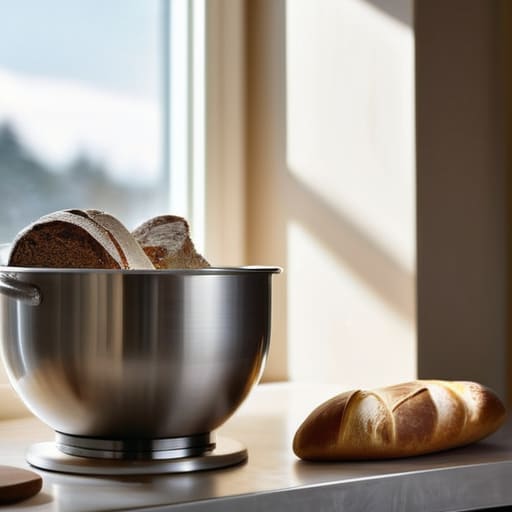
Look, I’ve seen enough cracked plastic and chipped melamine in commercial kitchens to last a lifetime. When you’re investing in high-quality kitchen appliance essentials, the bowl shouldn’t be an afterthought. I always tell my clients to opt for heavy-duty stainless steel. Unlike plastic, which absorbs odors and stains from everything from turmeric to berry juice, stainless steel is non-reactive and practically indestructible. It won’t warp or crack when you’re working through a heavy batch of dough, making it a cornerstone of reliable bread making equipment.
Beyond just durability, there is a functional reason to prefer metal. A high-quality stainless steel bowl has a certain weight and thermal conductivity that helps keep your ingredients at the right temperature. When you’re utilizing the planetary mixing action of a serious machine, you need a vessel that can handle the centrifugal force without sliding around or flexing. A sturdy metal bowl provides the stability required to ensure your ingredients are incorporated properly, rather than just being splashed against the sides. It’s a small detail, but it’s the difference between a professional result and a messy countertop.
Five Things to Look for Before You Commit to a Countertop Resident
- Prioritize weight and stability over aesthetics. A mixer that feels light and airy in the hand is going to dance across your granite the second you try to knead a heavy sourdough. You want something with some serious heft that stays put when the work gets tough.
- Check the attachment hub compatibility. Don’t get stuck with a machine that only does one thing. A real workhorse should have a standard hub so you can swap out the whisk for a pasta roller or a meat grinder later on.
- Avoid the “all-in-one” trap. Those massive machines that claim to do everything from juicing to blending are usually just a collection of mediocre motors. Stick to a dedicated stand mixer; it’s better to have one tool that does one job perfectly than five tools that do five jobs poorly.
- Inspect the planetary mixing action. It sounds technical, but it’s simple: the attachment needs to reach every single millimeter of the bowl. If your mixer leaves a ring of unmixed flour around the edge, you aren’t baking; you’re just making a mess.
- Look for metal gears, not plastic. I’ve seen too many “beginner” models fail because a tiny plastic tooth snapped under pressure. If you want a machine that lasts as long as my vintage cast iron, you need to ensure the internal drive system is built from metal.
My Golden Rules for Buying a Stand Mixer
Don’t get distracted by flashy colors or digital screens; focus on the weight of the machine and the strength of the motor.
Look for all-metal gear construction rather than plastic parts, because if you’re making heavy bread dough, plastic will strip within a year.
Prioritize a mixer that has a heavy footprint—you want a tool that stays planted on your counter while it works, not one that dances its way toward the edge.
Stop Chasing Trends, Start Buying Tools
I’ve seen too many people clutter their counters with colorful, lightweight mixers that struggle the moment they hit a heavy dough; if you aren’t buying a machine with enough heft and motor power to last you twenty years, you aren’t buying a tool, you’re just buying more future landfill.
Rosalind Hayter
Making the Right Call for Your Kitchen
At the end of the day, choosing a stand mixer isn’t about picking the prettiest machine in the catalog; it’s about understanding the mechanics of your craft. We’ve talked about why you shouldn’t skimp on motor wattage when you’re tackling heavy bread doughs, and why investing in stainless steel bowls is a far better move than settling for flimsy, plastic-coated alternatives. If you prioritize durability and raw power over flashy digital displays and unnecessary attachments, you’re going to end up with a tool that actually earns its place on your countertop. Don’t let the marketing hype trick you into buying a glorified toy; buy for the long haul and focus on the build quality that can withstand years of daily use.
My philosophy has always been that a kitchen should serve you, not become a graveyard for expensive, unused gadgets. A good stand mixer is more than just an appliance; it is a cornerstone of a functional workspace that simplifies your life and helps you master new skills. Once you have the right foundation, the real magic happens in the habits you build and the meals you share with the people you love. Stop chasing the latest kitchen trends and start building a collection of tools that you can pass down to the next generation. Invest in quality, keep your workspace organized, and let the cooking take care of itself.
Frequently Asked Questions
Is it worth paying extra for a mixer with a planetary mixing action, or is that just marketing fluff?
It’s definitely not marketing fluff. In my years managing commercial kitchens, I learned that efficiency is everything. Planetary action means the attachment rotates on its own axis while also revolving around the bowl. This ensures the whisk or paddle hits every single inch of the container, eliminating those annoying pockets of unmixed flour at the bottom. If you want consistent dough and less manual scraping, it’s worth every extra penny.
How do I know if a motor is actually heavy-duty or if it's just going to burn out the first time I try to knead a batch of sourdough?
Look, don’t just trust the sticker on the box. If the manual doesn’t explicitly mention “all-metal gears,” walk away. Cheap mixers use plastic gears that strip the moment they hit a heavy dough. You want to feel the weight of the machine; a heavy, solid chassis usually means there’s a substantial motor and gear assembly underneath. If it feels light and hollow, it’s going to overheat the second you start kneading sourdough.
Should I prioritize a tilt-head model for easy access, or is a bowl-lift design better for long-term durability?
If you’re looking for convenience, go with the tilt-head. It’s easier to swap out attachments and scrape the sides of the bowl without a struggle. But if you’re planning on making heavy batches of bread or thick dough every single week, get the bowl-lift. The lift mechanism is sturdier and handles the torque of a heavy motor much better over time. For me, durability wins—I’d rather work a little harder for a machine that won’t shake itself apart.
