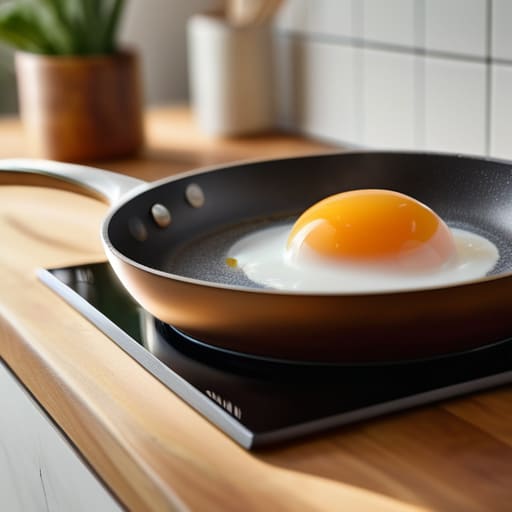
I spent two decades managing commercial kitchens where we didn’t have the luxury of time to scrub burnt-on eggs off a cheap surface, but I’ve also seen enough “professional grade” junk to know when we’re being lied to. Most people think buying a high-end nonstick pan is a one-time investment, but if you’re following the trends, you’re actually just on a subscription service for more plastic-coated scrap metal. I’m tired of seeing people throw away a perfectly good kitchen setup every eighteen months because they bought into the hype of a flimsy coating that starts peeling the moment it hits a medium flame.
I’m not here to sell you on some flashy, celebrity-endorsed gadget that will end up in a landfill by next Christmas. Instead, I’m going to give you the straight truth about what actually works, what stays slippery, and which brands are worth your hard-earned money. We’re going to look at the mechanics of how these pans actually perform under pressure so you can finally buy it once and use it for years. Let’s get your kitchen working for you, not against you.
Table of Contents
Ptfe vs Ceramic Coating Choosing Quality Over Trends
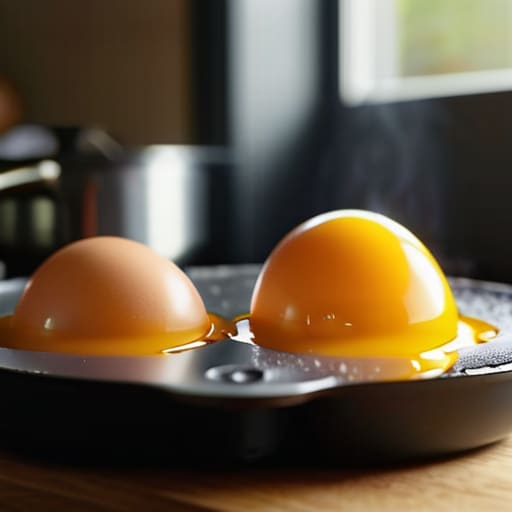
When you walk into a kitchen supply store, you’ll see marketing everywhere pushing ceramic as the “healthy” miracle solution. It’s a trend, plain and simple. In my experience, the debate of PTFE vs ceramic coating usually comes down to how you actually cook. PTFE (the traditional Teflon) is incredibly reliable for a smooth release, especially if you’re looking for the best nonstick pan for eggs or delicate fish. However, it has its limits when it comes to heat.
Ceramic coatings are often touted for being eco-friendly, but they tend to lose their “nonstick” magic much faster than traditional coatings. Once that ceramic layer gets micro-cracks from thermal shock, you’re left with food sticking to the surface, and there is no fixing it. If you want to extend the life of either option, you have to respect safe cooking temperatures. Never blast these pans on high heat; it destroys the coating and ruins the surface. Whether you go with PTFE or ceramic, treat them with care, use silicone utensils, and stop treating your cookware like it’s indestructible.
Nonstick Pan Durability Tips for a Lifetime of Use
If you want to stop throwing money down the drain, you have to treat your cookware with a bit of respect. The biggest mistake I see people making—and I’ve seen it in both home kitchens and professional setups—is treating a nonstick surface like a piece of stainless steel. You cannot use metal utensils here. One wrong move with a sharp spatula and you’ve already compromised the integrity of the coating. Stick to silicone or wood; it’s a small trade-off for significantly extending the life of your investment.
Heat management is the other silent killer. People love to crank the burner to high to speed things up, but that’s a recipe for disaster. High heat can degrade the surface and release fumes, so you need to stay mindful of safe cooking temperatures. Medium or low heat is almost always enough for delicate tasks like making an omelet. When it comes to maintenance, forget the abrasive sponges. If you’re wondering how to clean nonstick cookware without ruining it, the answer is simple: warm water, a soft sponge, and a little mild soap. Avoid the dishwasher at all costs—that’s just a fast track to a ruined pan.
Five Rules for Keeping Your Nonstick From Failing You
- Ditch the metal utensils immediately. I’ve seen too many people ruin a perfectly good pan in a single week by using a metal spatula; stick to silicone or wood to keep that coating intact.
- Stop cranking the heat to high. Nonstick is meant for low to medium heat, and if you overheat it, you’re essentially baking the coating onto the metal or causing it to degrade faster than it should.
- Never, under any circumstances, put your nonstick pans in the dishwasher. Those harsh detergents are designed to strip grime, but they’ll strip your pan’s coating right along with it.
- Hand wash with care. Use a soft sponge and mild soap—no abrasive scouring pads. If you treat a pan like it’s made of sandpaper, it’s going to act like it.
- Watch your storage habits. Don’t just toss your pans into a cluttered cabinet where they bang against each other. If you have to stack them, put a paper towel or a felt protector between them to prevent scratches.
The Bottom Line on Nonstick
Stop chasing the latest ceramic trends if you want performance; a high-quality PTFE coating is still the gold standard for actual nonstick capability, provided you treat it with respect.
Your tools are only as good as your habits, so ditch the metal utensils and the high-heat searing if you want to avoid ruining the surface in a month.
View a nonstick pan as a specialized tool for eggs and delicate fish, not a workhorse for everything—save the heavy lifting for your cast iron or stainless steel.
The Truth About Nonstick
A nonstick pan isn’t a lifetime investment like a cast iron skillet—it’s a tool with an expiration date. Stop treating it like a permanent fixture in your kitchen and start treating it like a consumable; once that coating loses its grip, don’t try to fix it, just replace it with something better.
Rosalind Hayter
Making the Right Choice for Your Kitchen
At the end of the day, picking a nonstick pan isn’t about finding the flashiest item on a social media ad; it’s about understanding what you actually need for your daily routine. We’ve talked about why you should look past the hype of ceramic coatings if you want true longevity, and why investing in quality matters more than saving a few dollars upfront. Remember, if you treat your pans with respect—avoiding metal utensils and skipping the dishwasher—you won’t find yourself back in the store every six months replacing a peeling mess. Focus on durability and smart maintenance, and your kitchen will be much better for it.
I’ve spent enough years in commercial kitchens to know that a tool is only as good as the person using it. You can buy the most expensive pan on the market, but if you don’t have the right habits, it’s just more clutter in your cabinets. My advice is to keep it simple: buy one or two reliable pieces that you know will hold up, and then focus on the cooking itself. A well-maintained pan is a quiet partner in your kitchen, staying out of your way and letting you do what matters most—making a great meal for the people you love. Stop chasing the trends and start building a kitchen that lasts.
Frequently Asked Questions
Is it actually safe to use nonstick pans if the coating gets scratched or starts to flake?
Here’s the short answer: if you see flakes or deep scratches, it’s time to retire that pan. Once the coating is compromised, you’re no longer just cooking; you’re potentially ingesting bits of PTFE or ceramic. I’ve seen too many people try to “nurse” a damaged pan to save a few dollars, but it isn’t worth the risk to your health. If the surface isn’t smooth and intact, toss it and invest in something better.
Can I use metal utensils with a nonstick pan, or am I asking for trouble?
If you’re using metal utensils, you’re asking for trouble. Period. I’ve seen too many people ruin a perfectly good pan in a single week by scraping it with a stainless steel spatula. Those tiny scratches compromise the coating, and once that happens, your food starts sticking and the pan becomes junk. Stick to silicone, wood, or nylon. It’s a small habit change, but it’ll save you a lot of money in the long run.
How often should I realistically be replacing my nonstick pans before they lose their effectiveness?
Look, I’m going to be blunt: if you’re using cheap, thin pans, you’ll be back at the store every twelve months. It’s a cycle of waste I hate seeing. If you invest in a high-quality, heavy-duty nonstick, you should realistically get three to five years out of it. But don’t wait for it to peel. The moment you see scratches or notice eggs starting to cling to the surface, it’s time to let it go.
