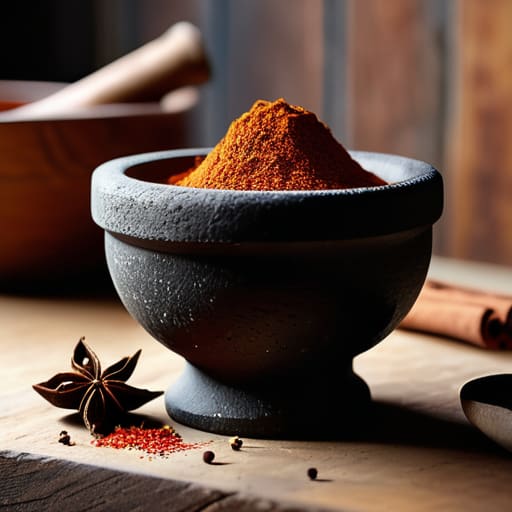
I still remember the frantic energy of a commercial kitchen during a Saturday night rush, where every second felt like a battle against the clock. I’d watch junior chefs reach for their electric spice grinders the moment a recipe called for crushed aromatics, thinking they were being efficient. But then I’d see the results: dry, dusty powders that had lost all their volatile oils and soul. There is a specific, rhythmic thud and scrape that comes from using a heavy stone mortar and pestle that no high-speed blade can ever replicate. It’s not just about prep work; it’s about releasing the actual life of the ingredient through physical pressure.
I’m not here to sell you some dainty, ceramic decorative piece that will chip the first time it hits a peppercorn. My goal is to help you identify the heavy-duty, lifetime tools that actually belong on your countertop. I’m going to walk you through the different materials—from granite to marble—so you can stop wasting money on kitchen gadgets that end up in a junk drawer. We’re going to focus on weight, grit, and durability, ensuring you buy a tool that works as hard as you do.
Table of Contents
- Granite vs Marble Mortar and Pestle Choosing Lifetime Tools
- Best Materials for Herb Crushing Without the Plastic Junk
- Five Rules for Getting the Most Out of Your Stone Tools
- The Bottom Line on Your Mortar and Pestle
- ## The Soul of the Kitchen
- Invest in the Tool, Master the Technique
- Frequently Asked Questions
Granite vs Marble Mortar and Pestle Choosing Lifetime Tools
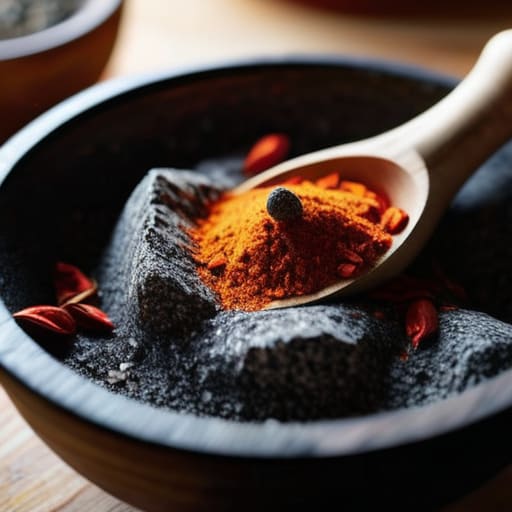
When you’re standing in the kitchen deciding between granite vs marble mortar and pestle, don’t get distracted by how pretty the marble looks on your countertop. Marble is beautiful, sure, but it’s a softer, more porous stone. While it works fine for delicate tasks, it can soak up oils and scents, which means your garlic paste might start smelling like last week’s basil. If you want something that can handle the heavy lifting, go with granite. It’s dense, rugged, and stays put when you’re really putting your weight into crushing spices for maximum flavor.
I always tell my clients to prioritize texture over aesthetics. A granite piece has a natural grit that acts like a built-in abrasive, making it much more efficient for breaking down tough dried peppercorns or fibrous roots. Marble is better suited for gentle tasks, like bruising soft herbs, but it lacks the sheer staying power of its darker cousin. If you want a tool that will survive decades of daily use without losing its edge, invest in the granite. It’s the workhorse of the two, and in my experience, you want a workhorse in your kitchen.
Best Materials for Herb Crushing Without the Plastic Junk
If you’re still reaching for that electric spice grinder every time you want to make a pesto or a dry rub, you’re missing the point. Electric blades chop; they don’t crush. When you use traditional culinary grinding techniques, you aren’t just breaking things down—you’re releasing the essential oils that make food actually taste like something. For herbs specifically, you want a material that offers enough friction to bruise the leaves without turning them into a watery mush.
When looking at the best materials for herb crushing, I always steer people away from anything lightweight or synthetic. Wood is fine for light tasks, but for serious flavor, you need weight. If you want to get the most out of your aromatics, stick to heavy stone. It provides the necessary resistance for crushing spices for maximum flavor and ensures the tool won’t slide across your counter while you’re working. Avoid those cheap, resin-based imitations you see in big-box stores; they’re nothing more than landfill-bound plastic disguised as stone, and they’ll never give you the texture a professional kitchen demands.
Five Rules for Getting the Most Out of Your Stone Tools
- Stop treating it like a blender. If you try to force a massive amount of ingredients in at once, you’re just going to end up with a messy paste instead of a textured grind. Work in small batches and let the weight of the stone do the heavy lifting.
- Season your stone just like you would a new cast iron skillet. Before you ever touch a peppercorn, grind up a handful of coarse salt and work it into the pores of the stone. It cleans out any residual dust from the manufacturing process and prepares the surface for real food.
- Watch your technique—it’s a rhythm, not a hammer strike. Most people make the mistake of just pounding vertically, which can actually crack a delicate marble bowl. You want to use a combination of firm, circular grinding motions and controlled pressure to really release those essential oils.
- Keep your workspace dry. I’ve seen too many people try to wash their mortar and pestle in a crowded sink, only to have it slip or chip. Hand wash it with warm water and a stiff brush, then let it air dry completely before you put it back in the cupboard.
- Don’t be afraid of the “imperfect” grind. One of the reasons I moved away from electric spice grinders is that they pulverize everything into a uniform powder. A real mortar and pestle gives you varying particle sizes, which creates layers of flavor in your sauces and rubs that a machine simply can’t replicate.
The Bottom Line on Your Mortar and Pestle
Stop looking for a “set” and start looking for weight; a tool that’s too light won’t do the heavy lifting required to actually break down fibers.
Prioritize granite or volcanic stone over marble if you’re crushing tough spices, as the slightly rougher surface provides the friction you need to get the job done.
Treat your mortar like my cast iron—it’s an investment in texture and flavor that should last decades, so skip the cheap, porous ceramic imitations.
## The Soul of the Kitchen
“An electric spice grinder is just a way to shave off the flavor and call it a day; if you want to actually taste the oils and the life in your herbs, you need to put some weight behind a stone pestle and do the work yourself.”
Rosalind Hayter
Invest in the Tool, Master the Technique
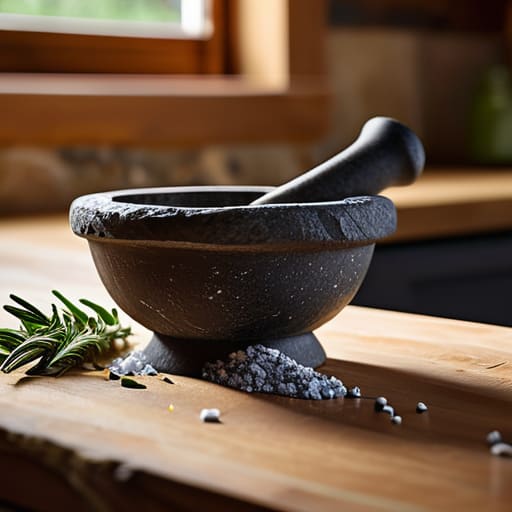
At the end of the day, choosing a mortar and pestle isn’t about picking the prettiest object for your countertop; it’s about selecting a tool that can handle the physical demands of real cooking. Whether you decide on the heavy-duty reliability of granite or the slightly more delicate precision of marble, make sure you are choosing a material that won’t crack under pressure or absorb unwanted odors. Skip the cheap, lightweight imitations you find in big-box stores. If you invest in a solid, heavy stone piece, you are buying a tool that will serve you just as well twenty years from now as it does today.
My advice is simple: stop looking for shortcuts and start embracing the process. There is a specific kind of satisfaction that comes from crushing your own spices and feeling the oils release under your hand—something an electric grinder can never replicate. A kitchen is only as good as the habits you build within it, and taking the time to use a proper mortar and pestle is a way of respecting your ingredients. Buy once, use it well, and let the quality of your tools elevate the quality of your food.
Frequently Asked Questions
How do I clean a stone mortar and pestle without stripping away the seasoning or leaving a soapy taste in my spices?
Forget the dish soap. If you use it, your next batch of pesto will taste like a lemon-scented cleaning aisle, and you’ll never get that residue out of the stone’s pores. Instead, use coarse salt and a little warm water. Scrub the surfaces with the salt—it acts as a natural abrasive to lift stuck-on bits—then rinse thoroughly. If it’s really stubborn, a splash of white vinegar works, but salt is your best friend here.
Is it worth spending more on a heavy granite model, or will a smaller, lighter one work just as well for my daily cooking?
If you’re just crushing a few cloves of garlic for Tuesday’s pasta, a smaller model is fine. But if you actually want to cook—really cook—invest in the heavy granite. Weight is your best friend here; it does the work so your wrists don’t have to. A heavy base stays put while you’re grinding, whereas a light one tends to skitter across the counter. Buy the weight once, and you’ll never need another.
How do I know if my mortar and pestle is actually made of solid stone rather than a cheap resin composite designed to look like marble?
Here’s the quick test: pick it up. A real stone mortar has a surprising, honest weight to it—it should feel substantial in your hands, not hollow. Then, run your finger along the surface. Resin composites often feel unnaturally smooth or “waxy,” whereas real stone has a natural, slight grit or temperature coolness. Finally, look for consistent veining; if the pattern repeats perfectly, it’s a printed fake. Real stone is beautifully imperfect.
